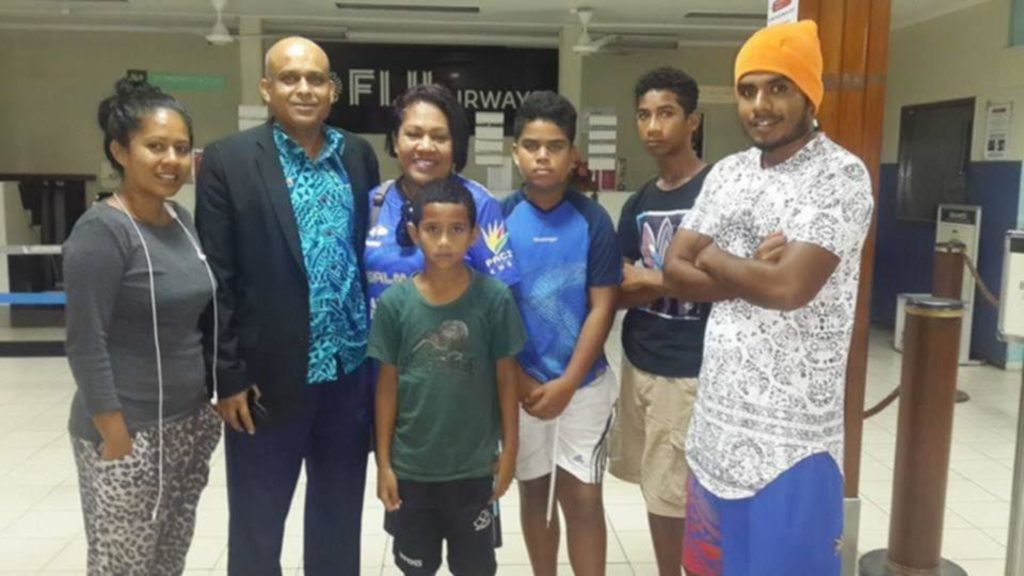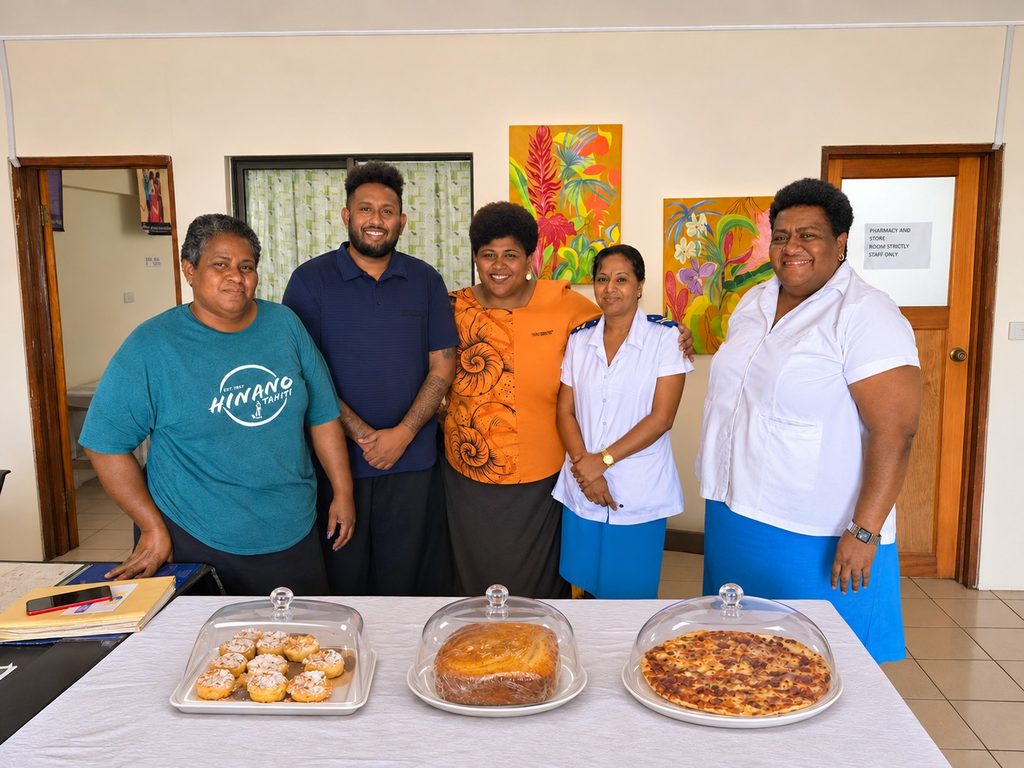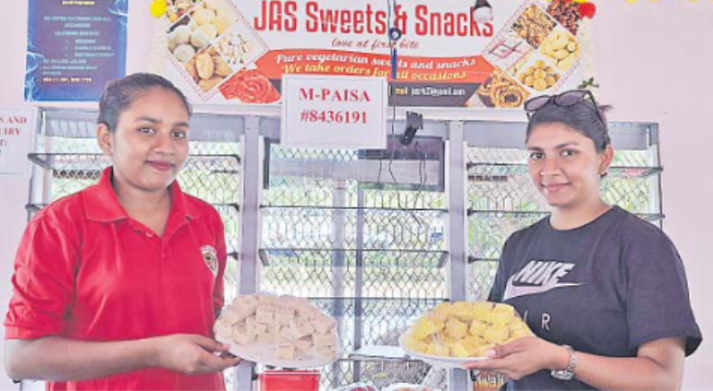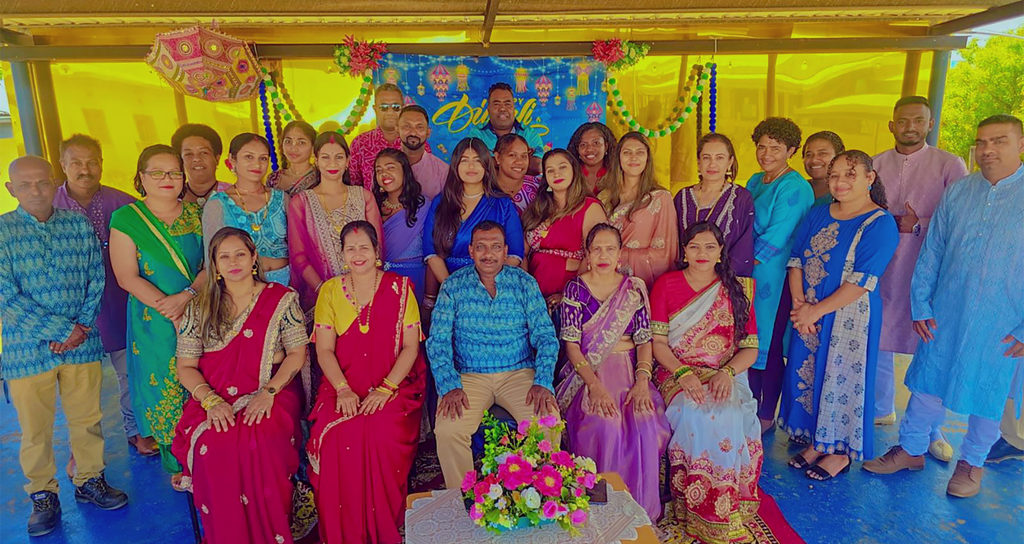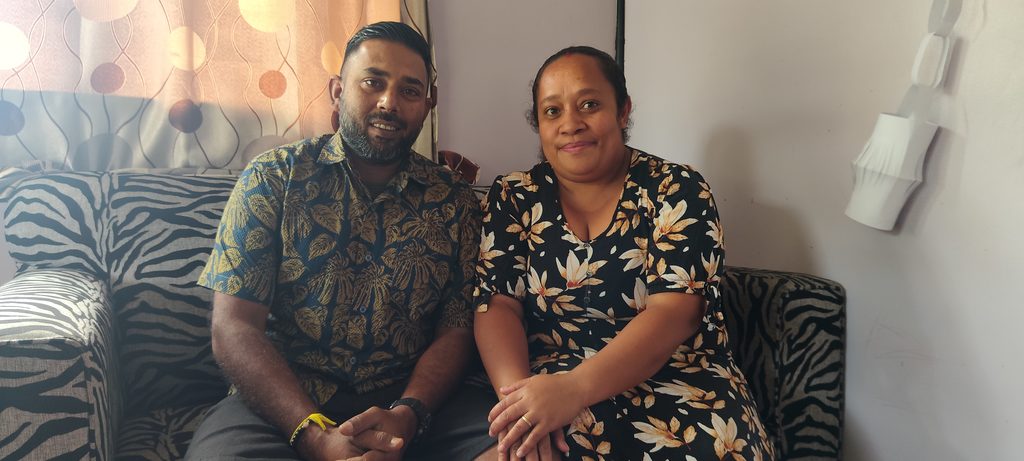
For Eleni Navutu and Navneil Prasad, Diwali is more than a festival of lights. It is a celebration of love, family and the cultural traditions that have become part of their lives since they married in 2014.
The sound of preparations filled the family home in Benau, Labasa as Ms Navutu moved between household chores, making sure everything was in place for another Diwali celebration.
There was still cleaning to be done, decorations to be arranged and sweets to be prepared before the much-anticipated evening.
For Ms Navutu, originally from Saqani, Macuata, these preparations are no longer unfamiliar.
What began as a new cultural experience after marrying Navneil of Benau, Labasa, has gradually become an important part of her life.
Their marriage brought together two different cultural and religious backgrounds, but over the years, the couple have found ways to embrace both without allowing their differences to become barriers.
Married in 2014, the couple have built a family with two children, Ayaan Prasad, who is in Year 6, and Aariket Prasad, who attends kindergarten.
They live with their mother-in-law, whose guidance has helped Ms Navutu understand and appreciate many of the traditions associated with Indian culture and the celebration of Diwali.
Their story, however, began several years before their wedding.
Back in 2012, Ms Navutu and her family were renting a home in Bulileka.
Mr Prasad would often visit his uncle’s place in the area, and it was during those visits that the two first crossed paths.
“We used to rent in Bulileka back in 2012. At the time, he would often visit his uncle’s place in the area. That was how we first met, and the rest, as they say, is history,” she said.
Their friendship eventually developed into a relationship, and two years later, they decided to get married.
But theirs was not just an ordinary wedding.
The couple got married twice, first through a Christian ceremony and later through a Sanatan ceremony, embracing the religious and cultural backgrounds that had shaped their lives.
For Ms Navutu, the decision reflected their willingness to understand one another and respect the traditions each brought into the marriage.
“We actually got married twice, first through a Christian ceremony and later through a Sanatan ceremony, allowing us to embrace both cultural and religious traditions.”
Their marriage has since become a journey of learning, understanding and compromise.
While they come from different cultural backgrounds, Ms Navutu said they had managed to build a home where both traditions were respected.
Every year, the family celebrates Diwali, while also participating in Christian celebrations and events.
She said the experience had taught her that marriage was not about abandoning one’s background but learning to appreciate the traditions that mattered to one’s partner.
“Over the years, we have learned to understand, respect and appreciate each other’s backgrounds.
“Every year, we celebrate Diwali, just as we also take part in Christian celebrations and events.
“Although there are differences in our traditions, we have managed to find a balance and maintain a close family relationship.”
For Ms Navutu, one of the biggest learning experiences has been understanding the customs surrounding Diwali.
Coming from an iTaukei background, she had to familiarise herself with Indian traditions, including the preparation of traditional sweets.
Her sister-in-law was the first to teach her how to prepare sweets, while her mother-in-law introduced her to many other recipes and traditions associated with the festival.
At first, the different ingredients, recipes and preparation methods were unfamiliar.
However, by spending time in the kitchen, watching and helping her family members, she gradually learned how to prepare the sweets herself.
Although she is still learning and perfecting the art of making traditional Indian sweets, she is more confident in the kitchen.
For her, every Diwali is another opportunity to improve her skills, learn new recipes and contribute to the family’s preparations.
Today, making traditional sweets has become one of the things she looks forward to during Diwali.
She enjoys preparing them for her family and the many visitors that drop by.
Her first Diwali after marriage remains one of her most memorable experiences.
“I was six months pregnant at the time, but that did not stop me from joining the family in preparing for the festival.
“There was rangoli to be made, lights to be put up and the house to be decorated.
“For someone still learning about the festival, it was an experience that required patience, energy and a willingness to embrace something new.”
She said the preparations continued late into the night, with the family finally going to bed at around 2am.
“It was a new experience for me, and we were so busy with preparations that we did not get to sleep until 2am.”
That first celebration introduced her to several new customs.
One of them was the tradition of avoiding the use of a broom on Diwali.
Although she was still learning, she gradually became familiar with the practices and the meaning attached to them.
She said having a supportive mother-in-law had made the transition easier.
Rather than feeling like an outsider learning a different culture, she had been welcomed and guided through the traditions.
Their relationship has also given her the opportunity to learn more about Indian clothing, food and celebrations.
One of the things she enjoys most is wearing a lehenga during Diwali.
For her, dressing up in traditional Indian clothing adds to the excitement and makes the occasion more special.
But beyond the clothing, decorations and food, it is the family atmosphere that makes the festival meaningful.
For years, the celebrations at their home have attracted many visitors that they had to build temporary sheds to accommodate everyone.
The house would become full as relatives, friends and neighbours gathered to celebrate.
The children asking for sweets, ‘nani kere sweets’ was another familiar part of the occasion.
She looked forward to hearing children coming around asking for sweets.
It was a reminder of how much the celebration meant to the younger generation and how traditions were passed on through simple experiences.
For children, Diwali often means colourful lights, new clothes, decorations and sweets.
For adults, it is also an opportunity to reconnect with relatives, welcome visitors and strengthen relationships within their communities.
Ms Navutu said the family looked forward to these moments every year.
Their home had become a place where people could gather, share food and enjoy the celebrations together.
She said Diwali was not simply about lighting lamps or exchanging sweets.
It was about the values that came with the celebration, including family, togetherness and respect for one another.
As a mother of two, she also hopes her children will grow up understanding the importance of appreciating both sides of their family background.
Ayaan and Aariket are growing up in a household where different traditions are observed and where learning about another culture is part of everyday family life.
Their parents’ marriage has provided them with an opportunity to understand that cultural differences do not have to divide families.
Instead, they can create opportunities to learn, share and appreciate one another.
For Ms Navutu, the journey has not meant knowing every custom or tradition associated with Diwali.
She continues to learn, whether it is preparing a new sweet, understanding a particular practice or helping with the annual decorations.
What matters is the willingness to participate and the support of a family that has welcomed her into their traditions.
As another Diwali is being celebrated, the cleaning, cooking and decorating continue at their home.
There will be sweets to prepare, lights to arrange and visitors to welcome.
And, as in previous years, the family expects their home to fill with people, laughter and children looking forward to their share of sweets.
From a chance meeting in Bulileka in 2012 to a marriage that brought together two cultural backgrounds, Ms Navutu and Mr Prasad have built a life around understanding and acceptance.
For Ms Navutu, Diwali has become more than a celebration she joined through marriage.
It is now part of her family’s story, one that she continues to learn, celebrate and pass on to her children.
And perhaps that is what makes their celebration special, two different backgrounds, one family and a home where there is room for everyone.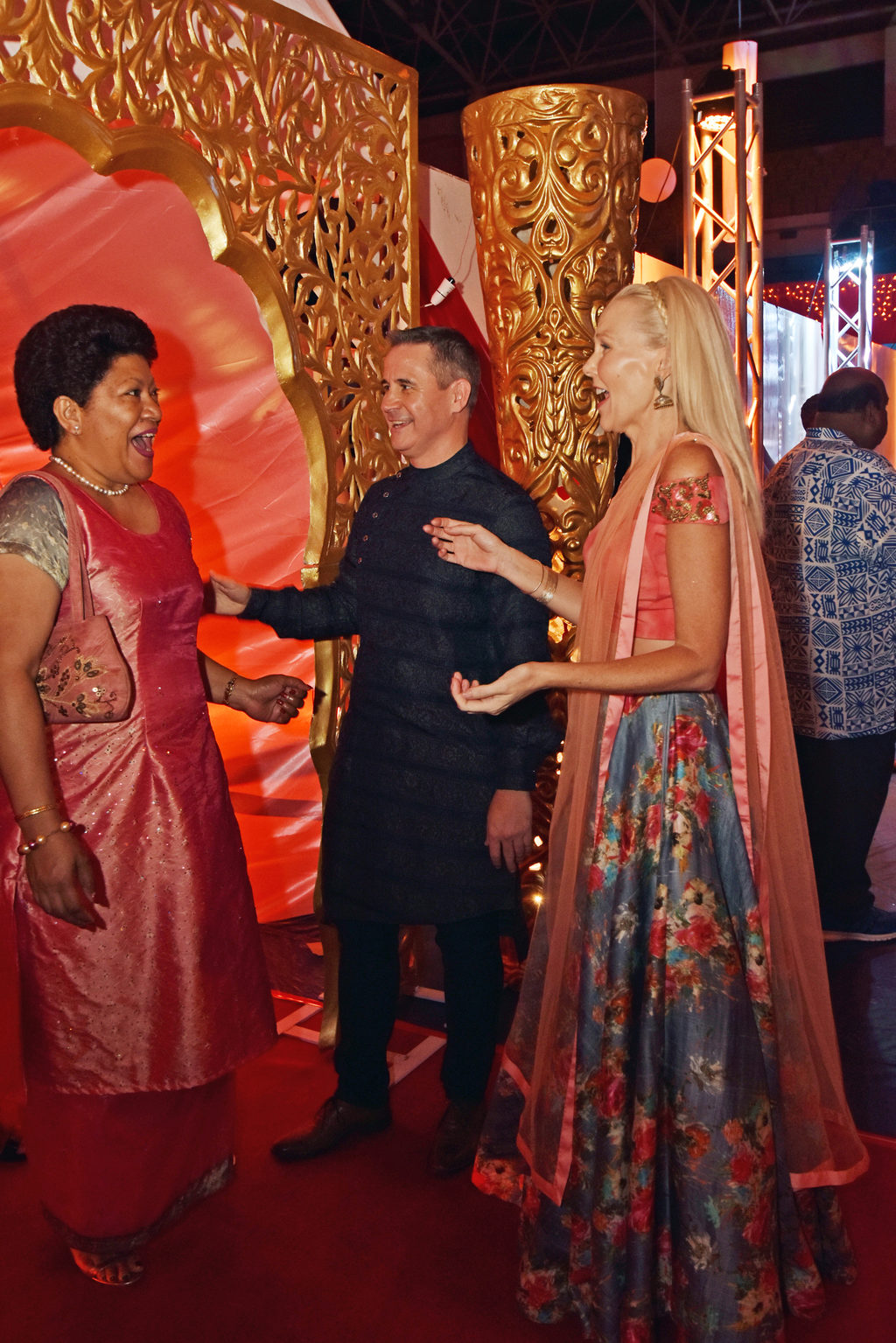
Westpac General Manager Brett Hooker (middle) welcomes the guests during the Diwali cocktail celebration at Vodafone Arena last Friday. Picture: RAMA
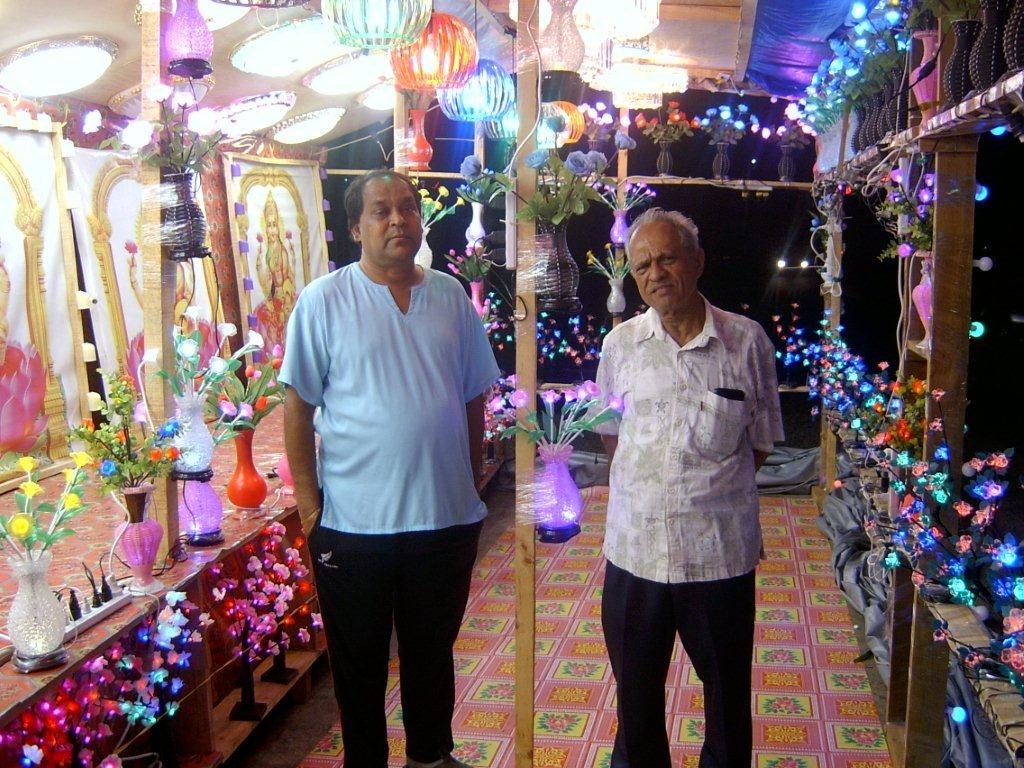
Diwali Celebrations
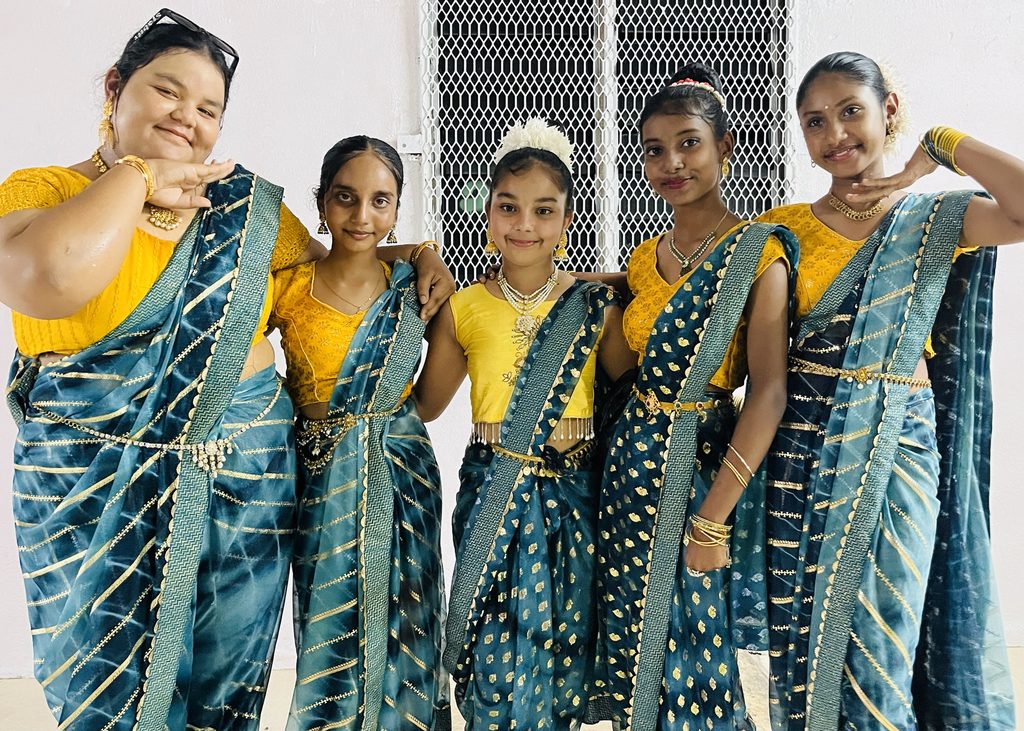
Vunimono Primary School student after their performance at the Diwali Mela Night.