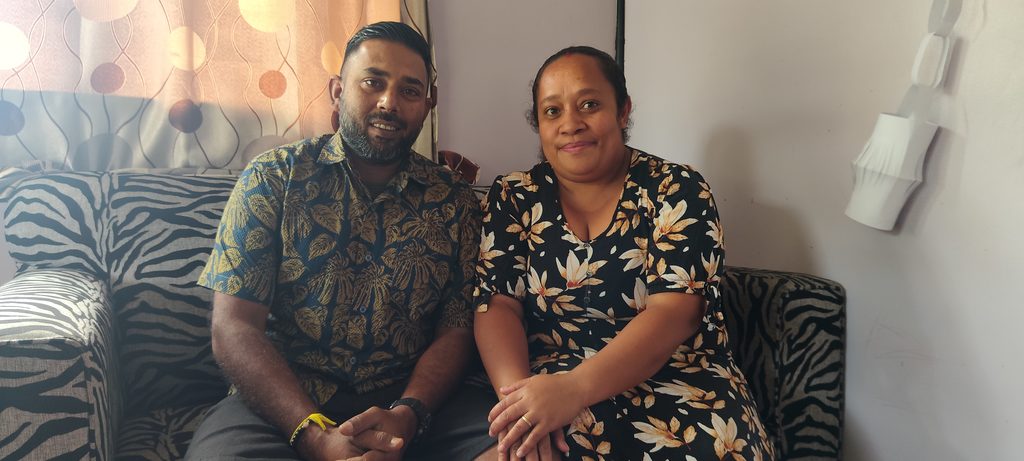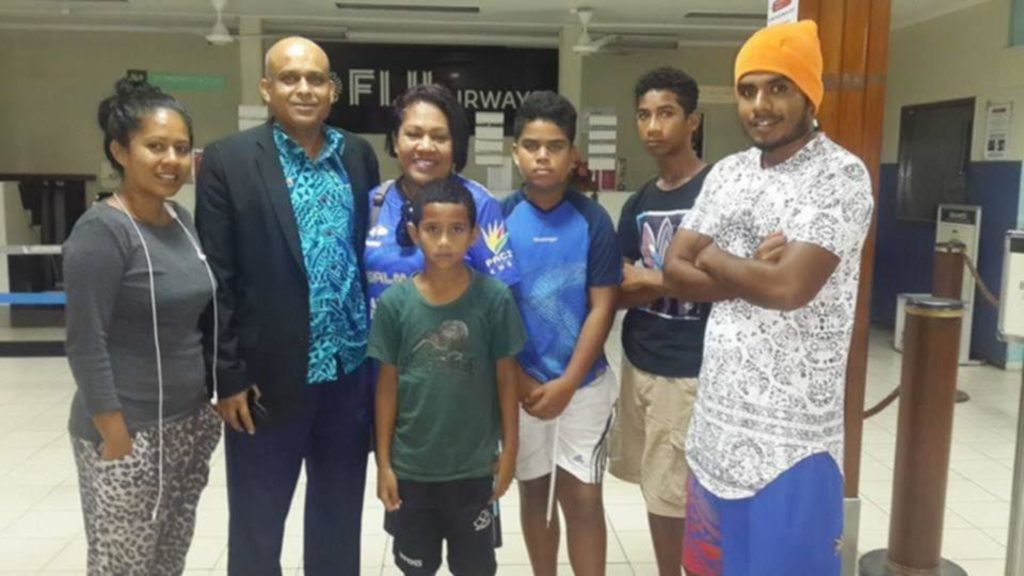
WITH an iTaukei mother and a late father of Indian descent, Irene Mary Kumar, 32, grew up experiencing two different cultural worlds.
From learning village customs with her maternal grandparents to attending the temple with her paternal grandmother, her childhood in Labasa was shaped by traditions, that influence how she raises her children.
Some of her fondest memories aren’t confined to one home, or culture but scattered across two sides of her family.
With family roots in Taveuni, she spent most of her childhood in Labasa.
While other children looked forward to school holidays to play with friends, she had another reason to be excited.
The holidays meant visiting her maternal grandparents, attending family gatherings, and spending time with relatives.
There was always something happening, and for a young Irene, every occasion presented an opportunity to learn something new.
She was fascinated by the differences in how the two sides of her family celebrated weddings and other occasions.
“It was exciting, and I was always looking forward to literally any event or occasion from both sides of the family because I was keen to see how each side celebrates,” she said.
She wanted to understand the customs, observe how people interacted and learn the expectations that came with it.
“I was keen to learn and also practise as a little girl. The taboos and the cultural ways of showing respect. It was and still is a great opportunity being part of both worlds.”
For Ms Kumar, these experience became an important part of her education outside the classroom.
Her maternal grandparents played a significant role in teaching her iTaukei customs. Everyday activities were opportunities to learn respect and appropriate behaviour.
She was taught how to approach and speak to elders, what she should avoid doing in front of certain people and how to conduct herself during family gatherings.
Even the way she ate and dressed was important.
“Basically, my daily life with them was days of lessons.”
The experience gave her an appreciation of the importance of cultural protocols, particularly the respect shown to elders and the traditions that guide relationships within iTaukei families.
But when she returned to her paternal family’s environment, there was another world waiting to be explored.
Her paternal grandmother introduced her to Indian culture and traditions, taking her to the temple and teaching her their heritage.
Although Ms Kumar was raised in a Christian household, her grandmother’s guidance allowed her to understand the religious and cultural practices of her father’s family.
Her father played an important role in ensuring she maintained that connection.
Despite his busy work schedule, he took her to Indian family functions to understand the traditions.
Her father enjoyed food, socialising, and spending time with relatives and understood his daughter’s interest in learning her Indian heritage and encouraged her to.
However, he was also aware that growing up between two cultural backgrounds could sometimes leave her uncertain about where she fitted in.
Rather than asking her to choose one identity over the other, he gave her the freedom to make her own decisions.
“He never forced me into anything. He knew that at times, I was torn between two cultures, and for that, he would tell me to choose what I thought was right.”
His approach allowed her to develop an appreciation of both backgrounds without feeling she had to give up one to embrace the other.
Her grandparents remained her greatest teachers, and Ms Kumar said much of her knowledge came from time she spent with them.
Even today, she considers herself a learner.
“Up till now, I’m still learning. But most of my knowledge came from my grandparents from both sides.”
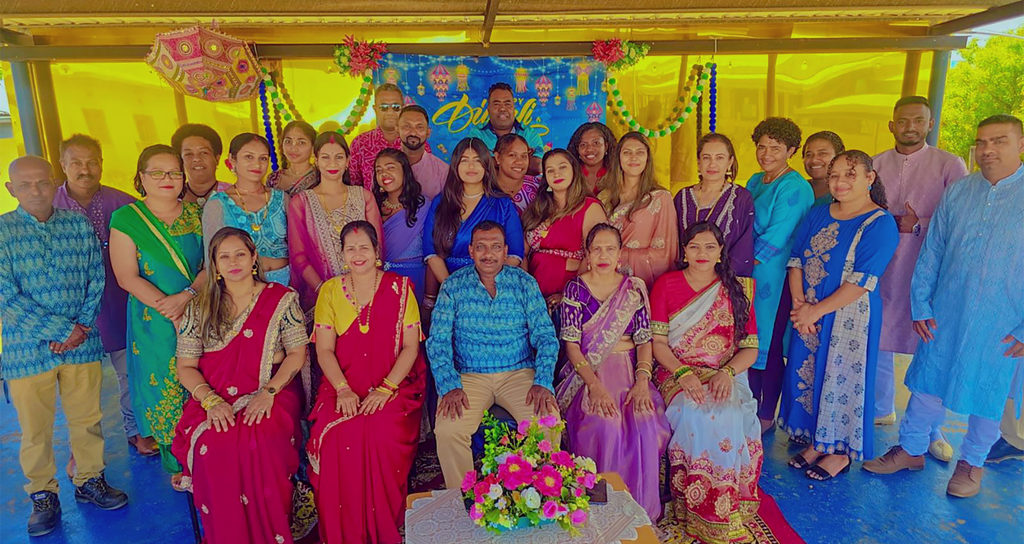
One celebration that brings fond childhood memories is Diwali.
For Ms Kumar, the festival is a time when relatives, friends and neighbours come together, regardless of their cultural or religious backgrounds.
She always looks forward to Diwali because it gives her an opportunity to celebrate her father’s heritage.
She remembers questioning why Indian families opened their homes to people from different backgrounds during Diwali and Eid, while Christmas celebrations were sometimes experienced differently.
As a child, she noticed how iTaukei children would visit Indian homes, calling the adults Aunty and Uncle before receiving sweets and food.
Those simple interactions left a lasting impression on her.
She saw how people from different backgrounds shared a celebration without changing who they were.
“Diwali, for me, is a joyous occasion. I always look forward to it because I get to meet my family, relatives and friends and celebrate with them.”
“It is the only celebration where Indians and Fijians come together and celebrate.”
For her, seeing children visit Indian homes is one of the most beautiful parts of the festival.
“It makes me happy seeing Fijian kids coming up calling Aunty or Uncle, to ask for sweets.
“It reminds me of the love we have despite the difference in culture and that I was fortunate enough to belong to both worlds.”
Diwali gives her an opportunity to appreciate Indian traditional clothing and jewellery. She loves dressing up in Indian outfits, bangles and looking beautiful for Diwali.
But before the visitors arrived for the celebrations, there was plenty work to be done.
One of her favourite responsibilities was helping her grandmother with the cleaning.
It started inside the house before moving outdoors, ensuring everything was ready.
The family always spent time preparing sweets and food for visitors. For young Irene, the kitchen was not always a place of hard work. Preparing sweets was her favourite chore, although she struggled to resist the temptation of tasting them before they were ready.
She would sneak some without her grandmother knowing, a childhood habit that has since become a family joke.
Her grandmother still brings it up whenever they prepare sweets for Diwali.
Diwali to her is a special opportunity for people to put aside cultural differences and enjoy a shared celebration.
For Ms Kumar, there was no difficulty in embracing the two cultures because she knew the languages and was taught to respect others.
She wants her children to do the same and is passing on that tradition and knowledge during celebrations like Diwali.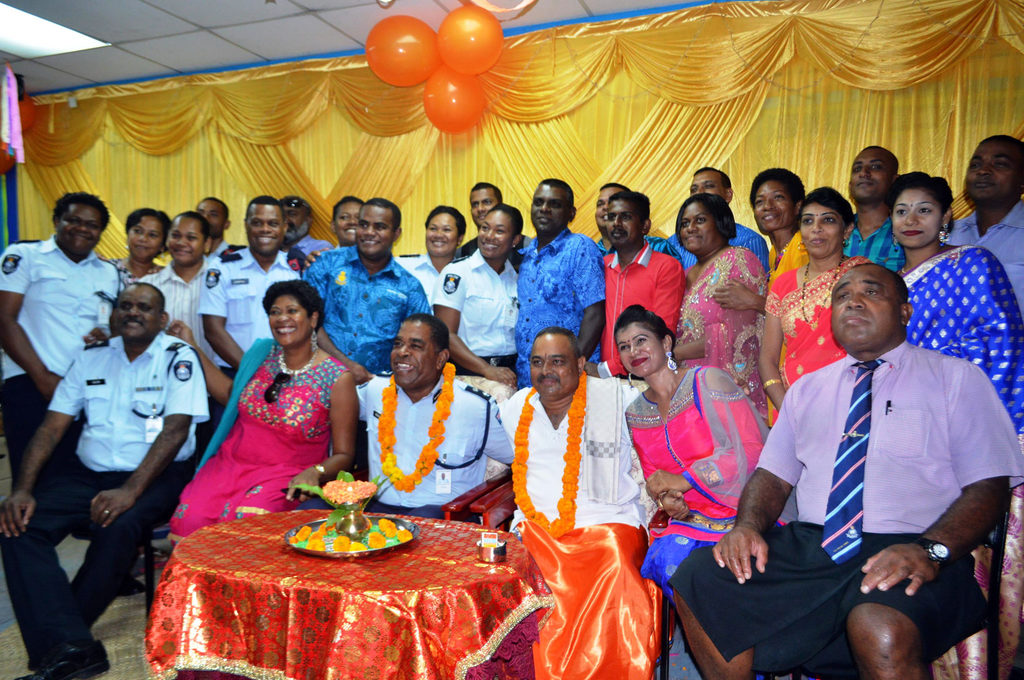
Police celebrate Diwali with morning tea at the North Police Headquarters in Labasa yesterday. Picture: LUKE RAWALAI
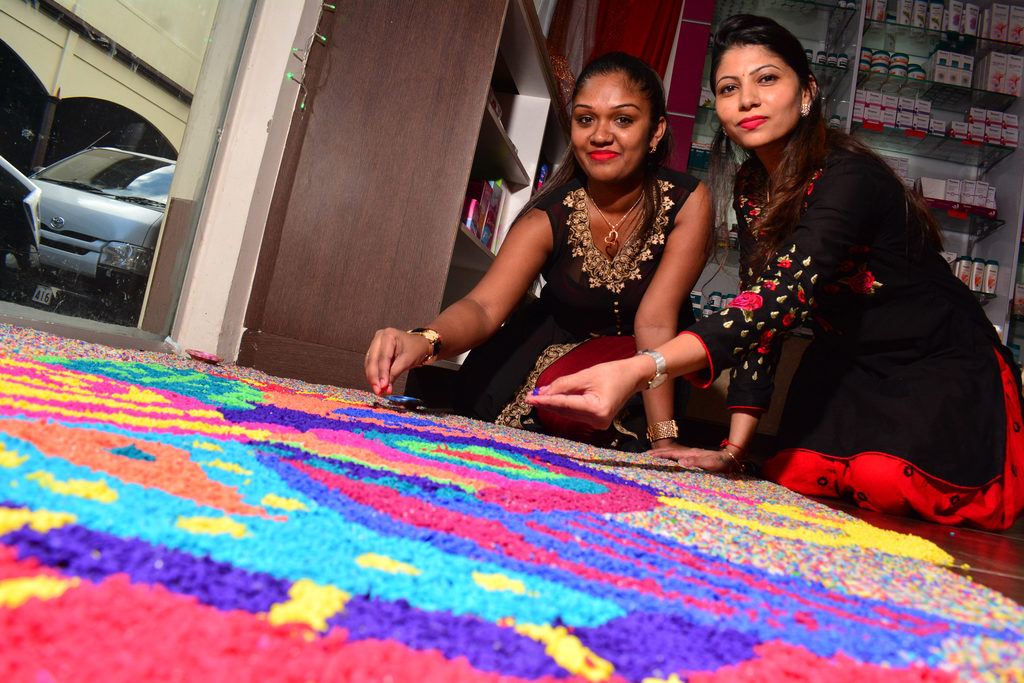
Komal Prasad and Ashwini Narayan of Island Pharmacy making the final touches on their Rangoli in Suva . Picture: JOVESA NAISUA.
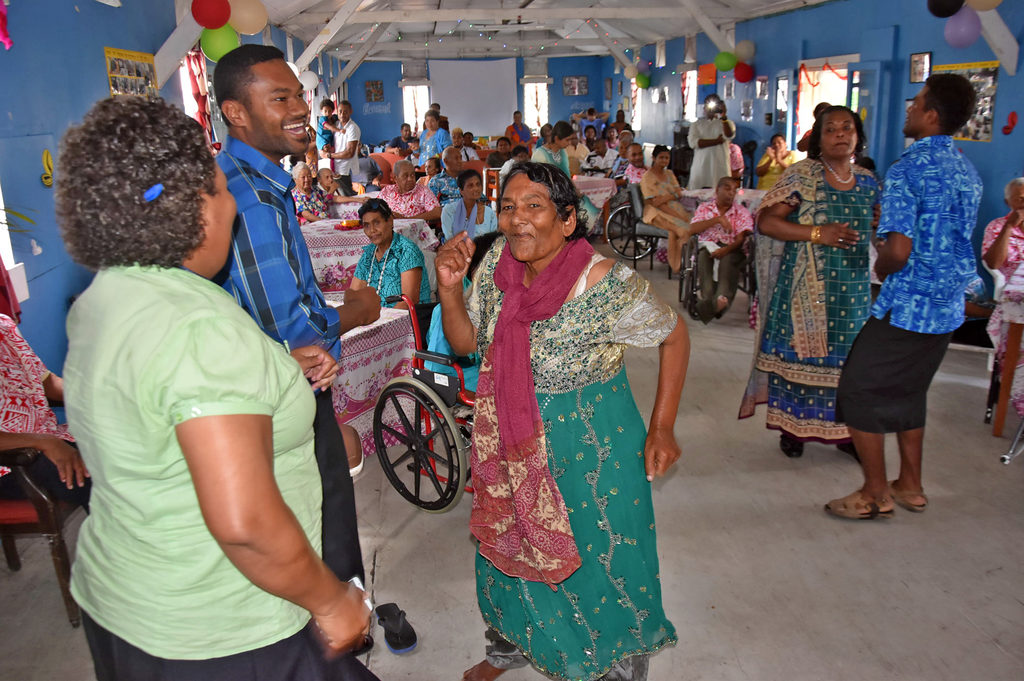
Nur Nisha dance to the beat of the music during the Diwali celebration at the Samabula Senior Citizens Home on Wednesday, October 18, 2017. Picture: JONACANI LALAKOBAU
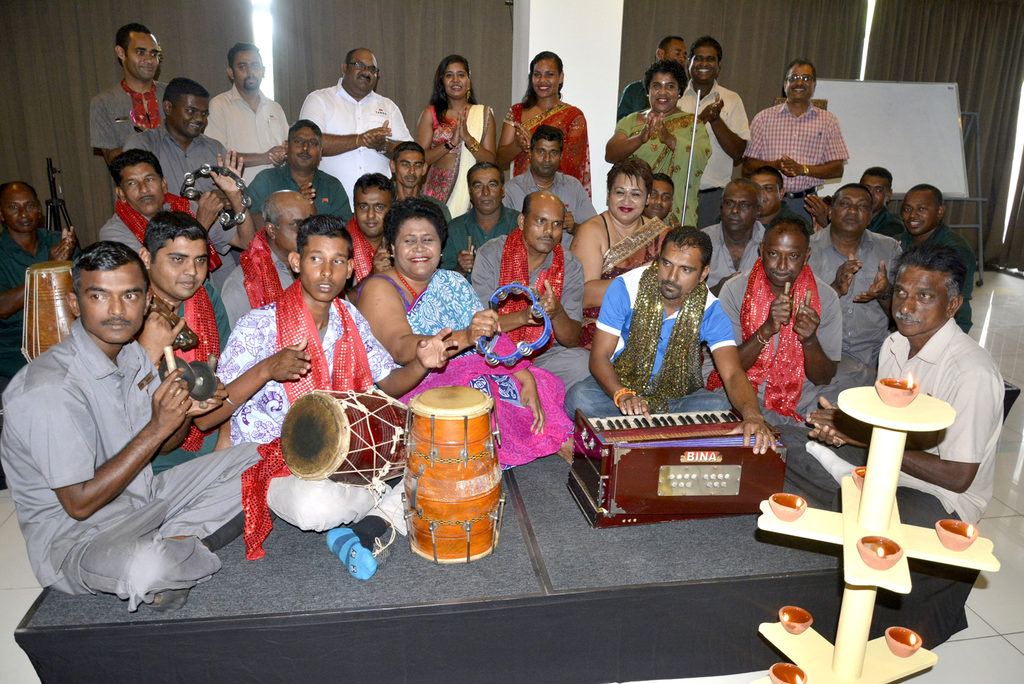
Tanoa International Hotel staff celebrates Diwali. Picture: REINAL CHAND