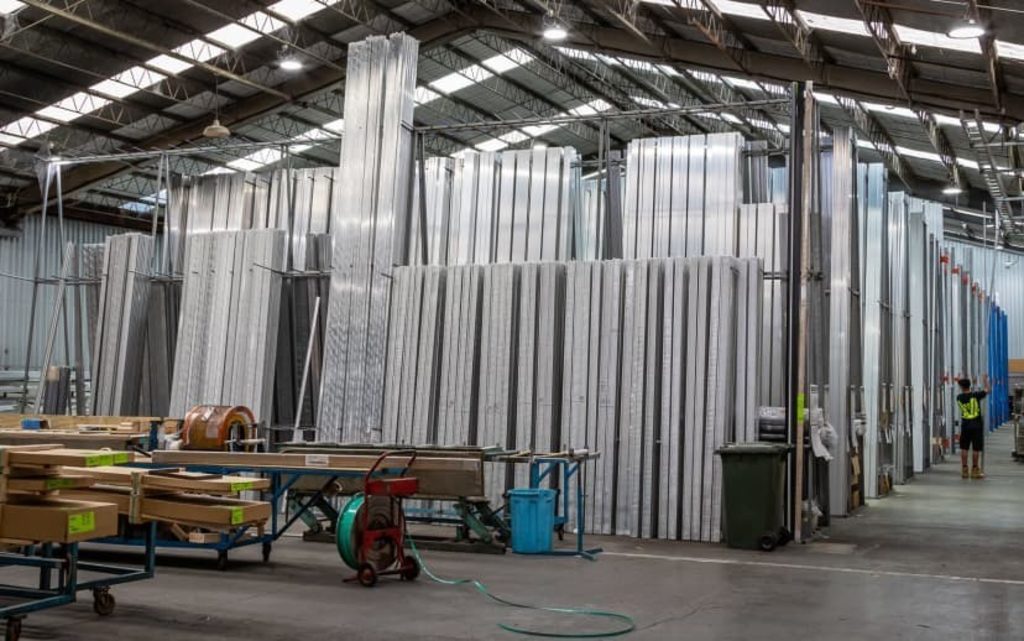
The Government has rejected a request to give special temporary protection to the aluminium extrusion industry in the face of growing competition from offshore.
The industry, which manufactures aluminium into products such as window and door frames, had asked the Government for what is known as a safeguard protection measure to give it time to adjust to the competition.
Such a measure could allow short-term trade quotas or tariffs to be applied to imports.
However, Minister of Commerce Cameron Brewer has declined the application after a Ministry of Business, Innovation and Employment (MBIE) report found the threshold for a safeguard measure had not been met.
The MBIE report noted that the domestic industry had suffered serious injury in recent years.
However, it said the increase in imports was one source among many, including a contracting domestic market and cost increases.
It said that while a safeguard measure might help the domestic industry in the short term, it would be likely to raise prices for consumers and would not support New Zealand’s trade goals.
The Aluminium Extruders Association of New Zealand said the refusal to impose safeguard measures would put the country’s manufacturers, skilled jobs and critical industrial capability at immediate risk.
Association chair Nick Collins said Brewer’s decision has removed a vital lifeline from an industry already under severe pressure.
“We are saddened and extremely disappointed. These are productive, high-tech businesses being crushed by imports, primarily state-subsidised from China and sold in New Zealand for less than the cost of the raw aluminium they contain.”
The association said the domestic aluminium extrusion industry produces essential products for construction, transport, infrastructure, health and advanced manufacturing.
It said it was worth about $600 million – or $2 billion if powder coating, anodising, fabricating and window manufacturing is included.