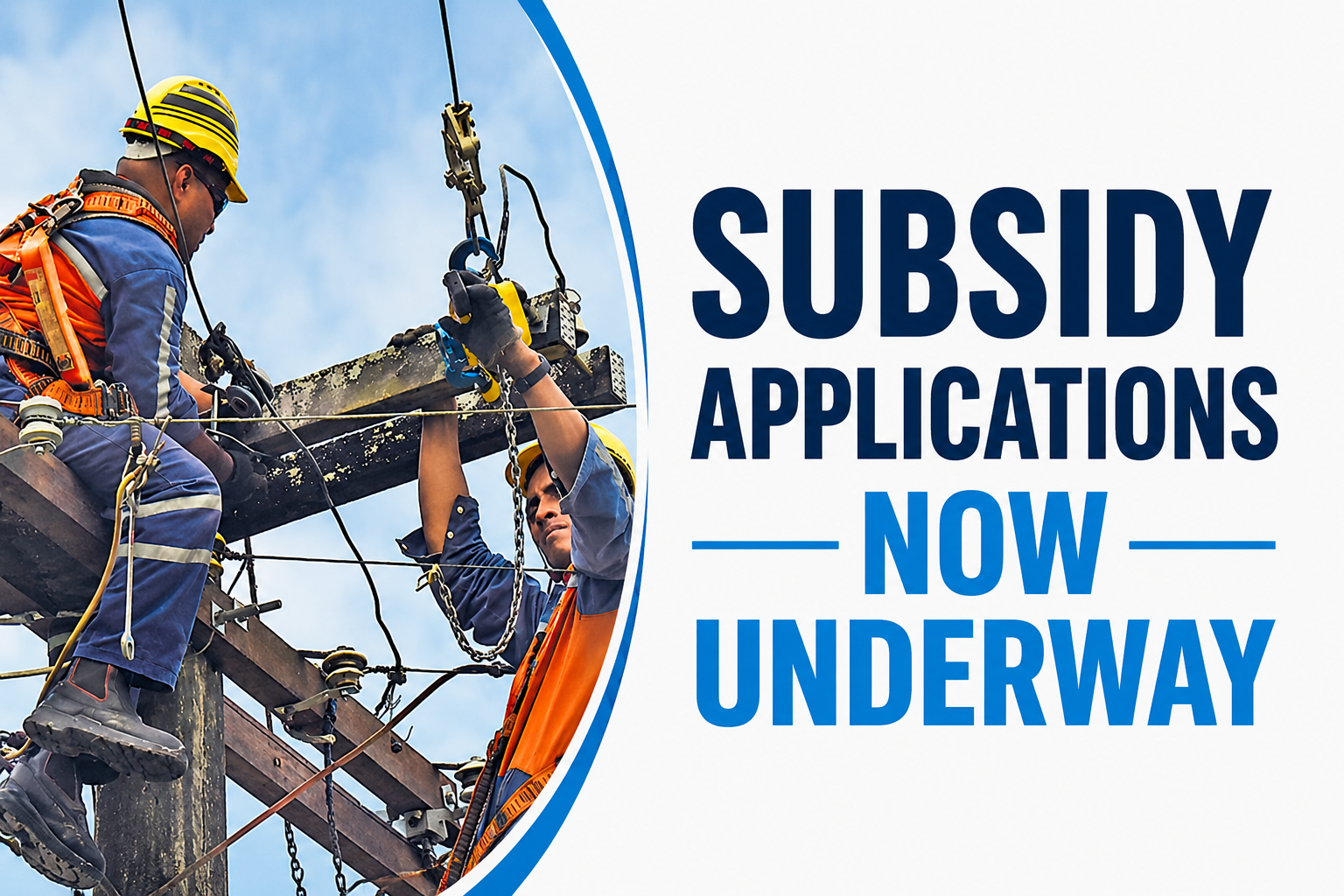
Energy Fiji Limited is urging eligible Micro, Small and Medium Enterprises to complete subsidy registration forms following Government approval to absorb the interim electricity fuel surcharge for qualifying businesses and low-income households.
EFL Chief Executive Officer Fatiaki Gibson said the Government support measure followed the Fiji Competition and Consumer Commission’s approval of a 5.91 cents per kilowatt hour interim electricity fuel surcharge which came into effect on Tuesday.
Under the initiative, Government will fully cover the surcharge cost for subsidised domestic customers earning household incomes of $30,000 or below.
The subsidy has also been extended to eligible MSMEs with an annual gross turnover of less than $30,000.
“EFL advises all qualifying MSME customers to contact their nearest EFL Customer Services Centre to complete the required Micro, Small and Medium Enterprise Government Subsidy Registration Form,” Gibson said.
He said completed applications must be supported by gross income verification using the most recent 2024 or 2025 Fiji Revenue and Customs Service return or assessment documents.
“EFL will work closely with the Ministry of Finance, FRCS, and relevant Government stakeholders to verify eligibility requirements and facilitate the implementation of the subsidy arrangement in an efficient and transparent manner,” he said.
According to EFL, the subsidy will only apply from the customer’s next billing cycle after successful approval and verification of the application.
The company is encouraging businesses to submit applications early to avoid delays in processing.
Customers have also been advised to ensure their electricity accounts are registered under their official business or trading names to assist with verification.
Gibson said the initiative formed part of broader national efforts to support households and businesses dealing with rising costs linked to global fuel price volatility.
“This initiative forms part of broader national efforts to support economic resilience, protect livelihoods, and ensure continued access to reliable electricity services,” he said.