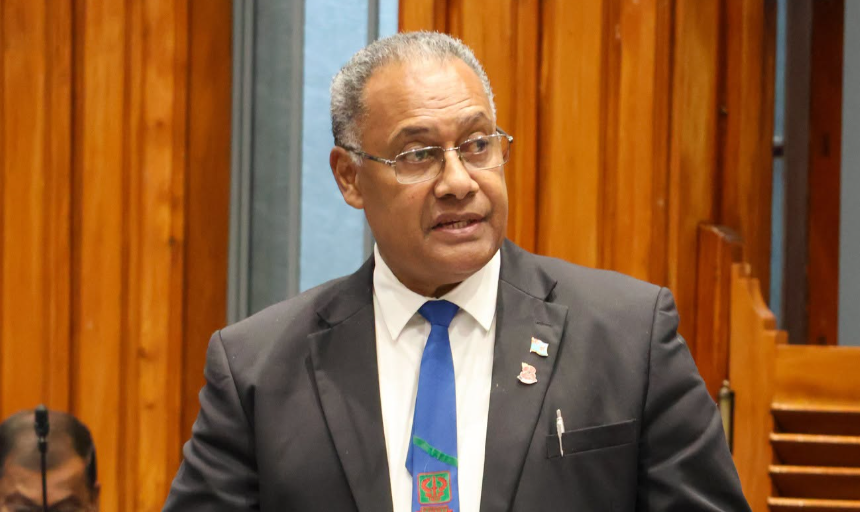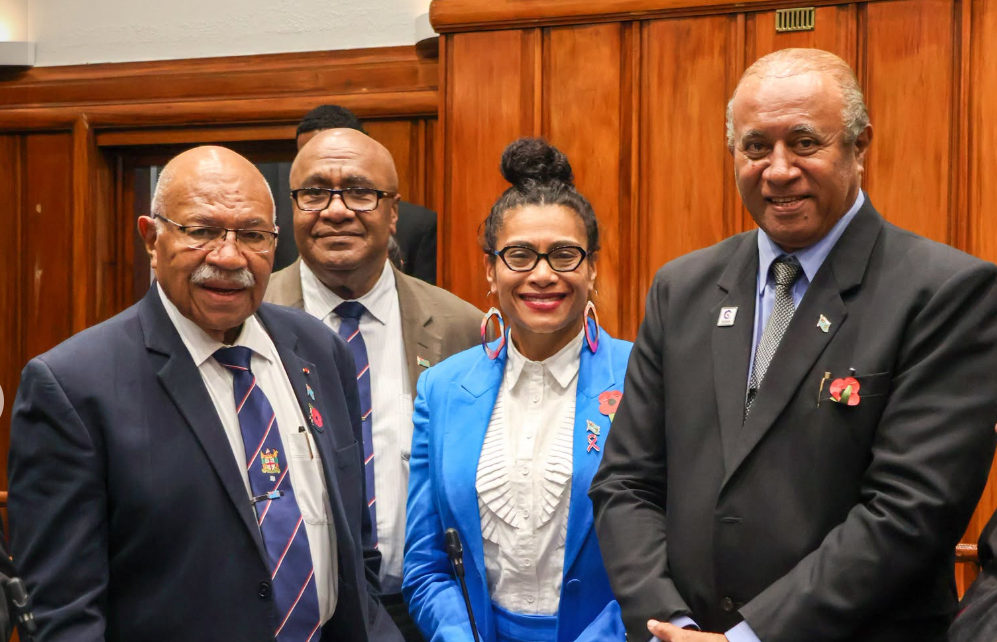
Prime Minister Sitiveni Rabuka is calling on Fijians to engage respectfully in discussions on proposed constitutional changes. He believes Fiji’s future must be shaped through dialogue and democratic processes.
In his Fiji Day message, Mr Rabuka said the nation was engaged in important conversations about its Constitution, democratic institutions and the country it wanted to leave for future generations.
Coming from the Prime Minister, this is a timely reminder. Views differ on the existing constitutional framework, the process being followed and the proposed changes ahead. These differences must be considered.
Independent MP Ketan Lal has filed an originating summons in the High Court challenging the legal validity of the Constitution (Amendment) Bill 2026 and its second reading.
He is seeking interim orders to prevent the Bill’s third reading and any referendum on the proposed amendments.
The legal action names the Speaker of Parliament, the Attorney-General and the Electoral Commission as defendants. Represented by Saneem Lawyers, Mr Lal is seeking declarations and interim orders to halt the Bill’s progress before Parliament resumes on November 2.
Against this backdrop, Mr Rabuka says Fiji is not strengthened by insisting everyone agrees. He believes the nation benefits when people disagree respectfully, listen to different perspectives and allow democratic processes to proceed peacefully. If the proposals pass through Parliament, eligible voters are expected to have an opportunity to participate in a national referendum in December.
We say, for that to happen meaningfully, there must be a concerted effort to reach communities, explain the proposals and ensure people understand what is at stake. Awareness cannot be an afterthought. It must be a priority.
Mr Rabuka has also emphasised that the Constitution belongs to the people and that decisions made today will shape the lives of future generations. That is a responsibility nobody should take lightly.
National development, he says, extends beyond constitutional reform to building the economy, improving schools and health services, supporting families and creating opportunities for young people to build their futures in Fiji.
However, constitutional law expert Professor Anthony Regan has argued that leaving the Constitution unchanged is not necessarily the answer.
Speaking at a Fiji National University leadership seminar in November 2024, the Australian National University academic highlighted concerns about the electoral system and the concentration of executive power under the 2013 Constitution.
He said there isn’t usually much mentioned of the Prime Minister and the focus is on the executive – the Cabinet and ministers. However, in the 2013 Constitution, the PM is mentioned 111 times, and A-G was mentioned over 70 times, adding that in most constitutions, the A-G does not get a mention.
He, however, acknowledged positive features in the 2013 Constitution, including the move away from communal voting. His observations remind us that constitutional debate must look beyond the politics of the day and consider the long-term implications for democratic governance.
Fijians will inevitably differ on what constitutes a good constitution. That makes public engagement, transparency and informed debate essential. Government must explain the proposed changes clearly, while those opposed to changes must have the freedom to articulate their concerns.
Ultimately, constitutional reform must be about the people, their rights and the future they want for Fiji. Every eligible voter deserves the information and opportunity to make an informed decision.
A constitution belongs to the people, and their voices must be heard before its future is decided.