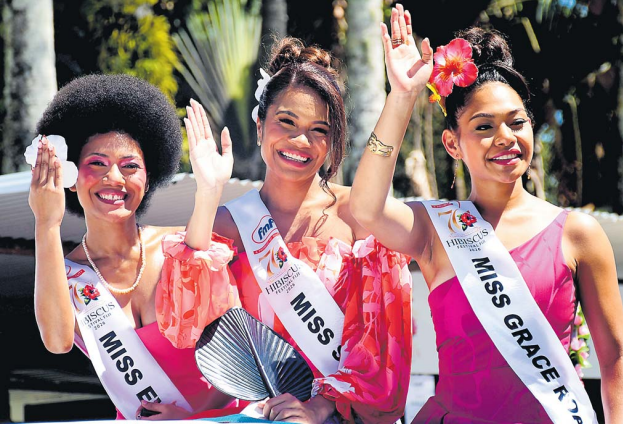
FOR 70 years, the Hibiscus Festival has been much more than a beauty pageant or a week of fun, pomp and flair.
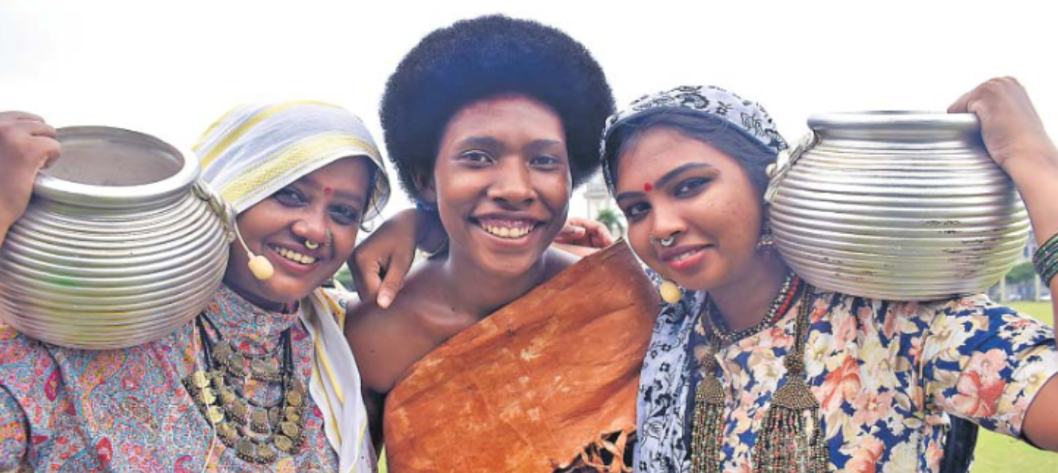
It has been a celebration of Fiji – our cultures, creativity, communities and, most importantly, our ability to come harmoniously together.
What began modestly in 1956 grew into a festival that could bring Suva to a standstill. Before television became part of everyday life, radio carried the excitement of Hibiscus into homes across the country. Floats filled the streets, communities showcased their traditions, and Albert Park became a place where generations gathered to celebrate.
That spirit remains Hibiscus’ greatest achievement.
Over the decades, the festival has evolved with Fiji. It embraced television, corporate sponsorship, advocacy, fashion, entertainment and new forms of participation. It has provided opportunities for artists, performers, businesses, community groups and young people.
But perhaps its most enduring contribution has been the platform it has given to women.
The stories of former queens remind us that the crown can be far more powerful than a moment of glamour. Last year, Rhyelle Aisea used her platform to champion youth empowerment, fire safety, disaster preparedness and climate resilience.
In 2011, Alisi Rabukawaqa turned the confidence and experience gained through Hibiscus into a lifetime of marine conservation and community advocacy.
In 2007, Patricia Naisara found in the crown a public voice that helped shape her journey in leadership, women’s empowerment and civil society.
Their stories also remind us that becoming Miss Hibiscus comes with sacrifice.
Contestants give their time, energy and privacy to rehearsals, appearances, sponsor commitments, interviews and community work. They step into the public eye knowing that expectations will follow them long after the crown is handed over.
They deserve recognition not simply for competing, but for stepping forward to serve.
That is why the return of Hibiscus, and its homecoming to Albert Park, matters so much. The festival is part of Suva’s collective memory. It represents shared experiences: families gathering, friends meeting, cultures being celebrated and communities finding common ground.
Hibiscus has had its challenges. It disappeared for several years, only to return because its place in the hearts of Fijians had never really disappeared.
As the festival enters its next chapter, it must continue to modernise and evolve. It must embrace young people, technology, local businesses and the creative industries while becoming more inclusive and sustainable. But progress must never come at the expense of purpose.
The future Hibiscus should be bigger in opportunity, richer in participation and more modern in presentation but it must never lose sight of what made it special. For seven decades, Hibiscus has given Fiji something increasingly precious: a shared moment of celebration.
When the music plays this week, the lights come on and the crowds gather, we are reminded that despite our differences, we can still stand together.
May the next 70 years preserve that magical phenomenon.