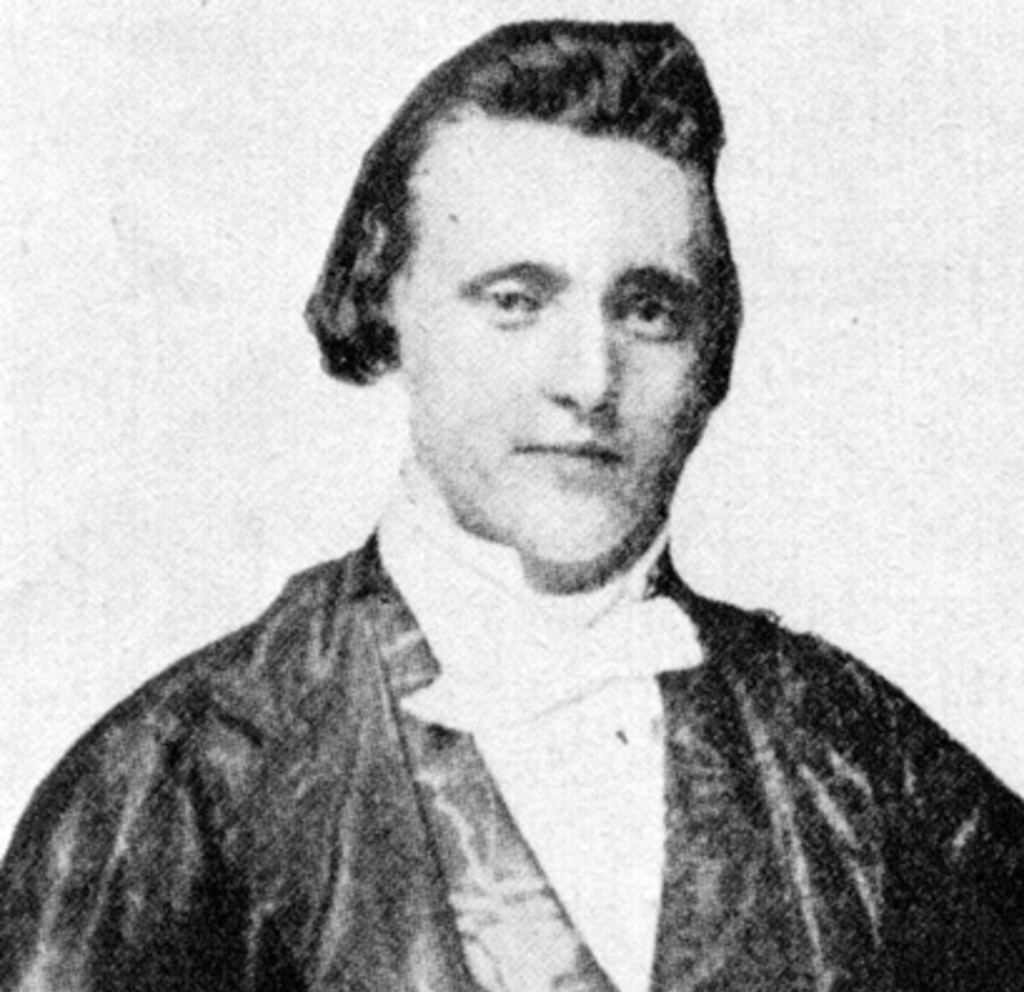
LONG before Reverend Thomas Baker’s name became forever linked with one of Fiji’s most tragic chapters, it was tied to something far quieter, a deep conviction that his life’s work lay among the people of the islands.
His own words, written years before his death reveal not fear but anticipation, a man convinced he had found his purpose.
“When I knew I was to go to Fiji I felt my spirit was glad,” he wrote in his diary on February 18, 1859.
“To this place I felt my spirit irresistibly drawn, and now I have my heart’s desire.”
Those diary entries, together with accounts preserved in The Missionary Worthies by Reverend William Moister, correspondence published in Missionary Enterprise and Home Service – An Autobiography by John S. Austin, and records from FamilySearch, paint the portrait of a missionary whose brief ministry was marked by unwavering faithfulness.
A calling that began with a hymn
The Missionary Worthies by Reverend William Moister, kept at the Camden Theological Library archives highlight that Thomas Baker was born at Playden, Sussex in England, on February 6, 1832, to Jeremiah Baker and Harriett Elizabeth Vinten.
When he was eight years old, the family migrated to Australia where his life would take a direction he could scarcely have imagined.
Drawn by his love of singing, Baker began attending a Wesleyan church in Sydney.
There, according to Reverend Moister, he came “under the Ministry of the Word,” became convinced of sin and “soon experienced acceptance with God.”
His faith quickly became evident through his service.
After joining the Wesleyan Society, his “consistent piety and ardent zeal” led to his appointment as a class leader and local preacher.
In 1859 he married Harriett Moon in Chippendale, New South Wales. That same year he was accepted as a probationer by the Australian Wesleyan Conference and appointed as a missionary to Fiji.
The appointment was exactly what he had hoped for.
“And now I have great work to perform,” Reverend Baker wrote in his journal.
“I know God is my helper and in the strength of Grace I go far hence to the Gentiles.”
He believed the Gospel could reach even the darkest places.
“Truly the dark places of the earth are full of habitants of cruelty. But their darkness can be expelled by the light of the Gospel.”
Learning the language, earning trust
Baker travelled to Fiji with Reverend Joseph Waterhouse and other missionaries, arriving on April 25, 1859, after a 16-day voyage aboard the John Wesley.
His first impressions of the islands reflected both admiration and the challenges ahead.
“My sickness for the first three days hindered me from enjoying the passage. My wife was very sick also,” he wrote.
“The John Wesley is one of the best cradles I ever was in.”
He saw before him a vast mission field.
“I see here a very large field open to my view for missionary labour. The work appears to be very rough, plenty travelling by water.”
Despite the unfamiliar surroundings, Baker immersed himself in learning the Fijian language.
Reverend Moister records that before the end of Baker’s first year he was already preaching the Gospel in Fijian.
For more than eight years he served in the Bau, Cakaudrove, Bua and Rewa Circuits, gaining experience while frequently travelling through difficult terrain and by sea.
He often expressed a desire to work where the need was greatest and was delighted when appointed to Rewa.
There he regularly visited villages beyond established Christian communities, seeking to share his faith among those who had yet to embrace Christianity.
Life on the frontier
Letters Baker sent to his friend, Methodist Minister John S. Austin, offer a rare glimpse into daily missionary life in Fiji during the 1860s.
Writing on March 30, 1866, after moving from Bua into the interior of Viti Levu, Baker described living at what he considered the frontier between Christian and non-Christian communities.
“We have removed from Bua to the interior of large Fiji, the stronghold of Heathenism and a very large and important circuit,” he wrote.
“So, you see Fiji is not yet saved. Sometimes we cannot sleep for the death drums and skirmishes are taking place every few days.
“We are living on the inner border of the Christian tribes and have the heathen close to our backdoor.”
The work required constant vigilance.
“We have to take every precaution when going among the heathens,” Baker wrote.
He also described the uncertainty surrounding the region.
“We are expecting war here on a very extensive scale in May. Cannibalism is still rife and practised not far from our home.”
Yet even amid those dangers, Baker’s letters reveal a man who saw beauty alongside hardship.
“Our home is in a lovely situation, commanding in front an extensive view of the low country toward the coast and from the back a splendid sight of the mountains, towering away among the clouds.”
The mountains stirred mixed emotions.
“While looking at these ones heart aches at the recollection that there in the mountains, Fijians are to be found as wild, as wicked, as naked, as any who have yet been met on the coast,” he wrote.
“The mountains are to us a dark picture indeed, but we hope ere long all will bow the knee and own Jesus as Lord.”
A mission unfinished
Baker’s diaries also reveal the quieter struggles behind missionary work.
On February 21, 1860, he wrote of reading extensively that day but feeling dissatisfied with his slow progress in learning Fijian.
He wanted to begin another sermon but admitted the task “felt very dark.”
His diary also records work undertaken in Lomaiviti, Tailevu and Vanua Levu during 1860, reflecting the wide reach of his ministry.
Then, in July 1867 Baker set out once more.
On July 13 he left home on a missionary journey to communities that had recently embraced Christianity.
After completing that work, he decided to continue beyond to areas where Christianity had not yet taken root.
He arrived in Navosa on July 20.
History being the subject it is, a group’s version of events may not be the same as that held by another group. When publishing one account, it is not our intention to cause division or to disrespect other oral traditions. Those with a different version can contact us so we can publish your account of history too — Editor.
Part 2 Next Week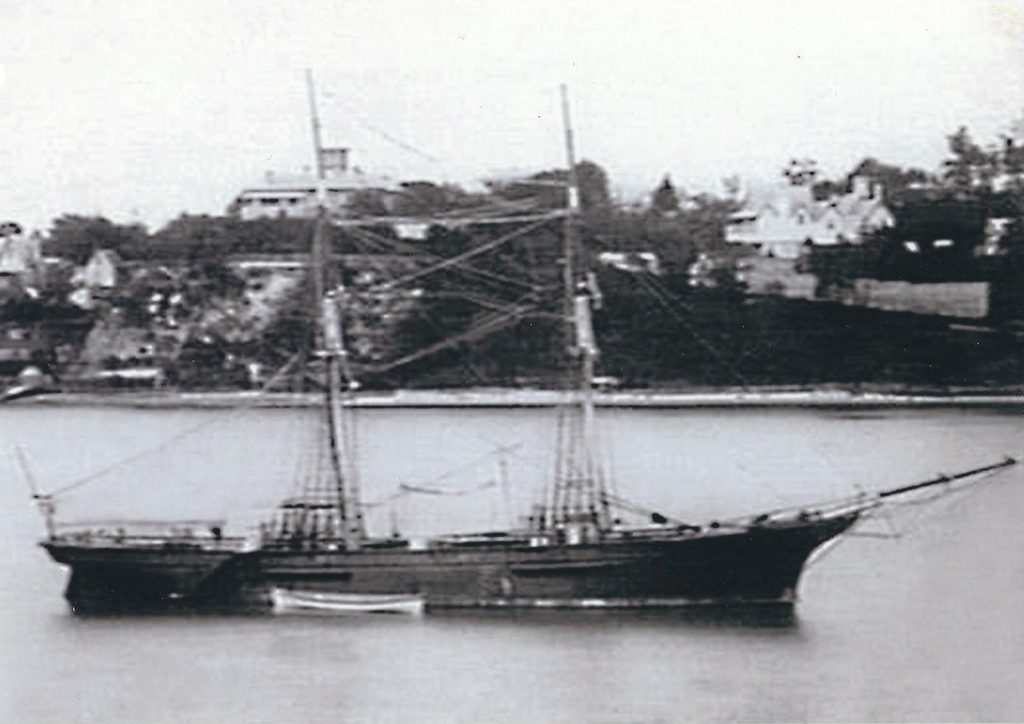
Reverend Baker travelled to Fiji in the John Wesley, a missionary ship.
Picture: MUSEUM OF METHODISM/ WORD PRESS
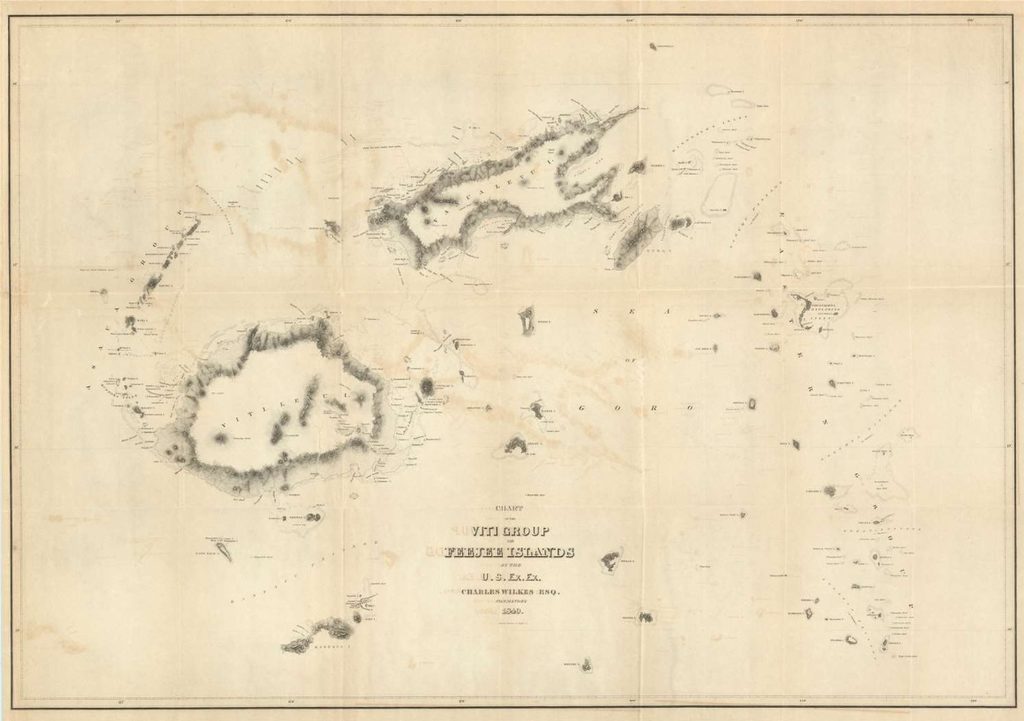
A 1800s map of Fiji. Picture: GEOGRAPHICUS
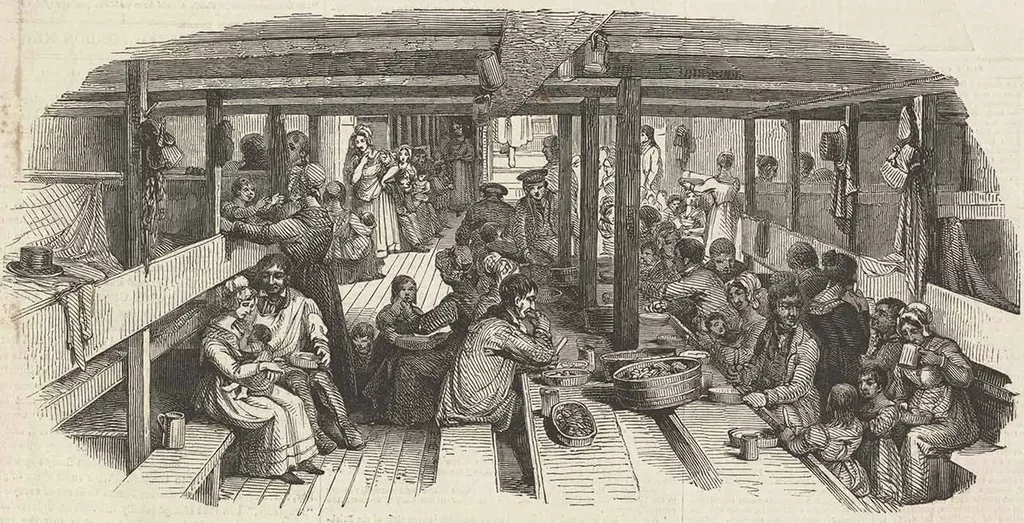
When he was eight years old, Thomas Baker and his family migrated to Australia where his life would take a direction he could scarcely have imagined. Picture: NATIONAL MUSEUM OF AUSTRALIA
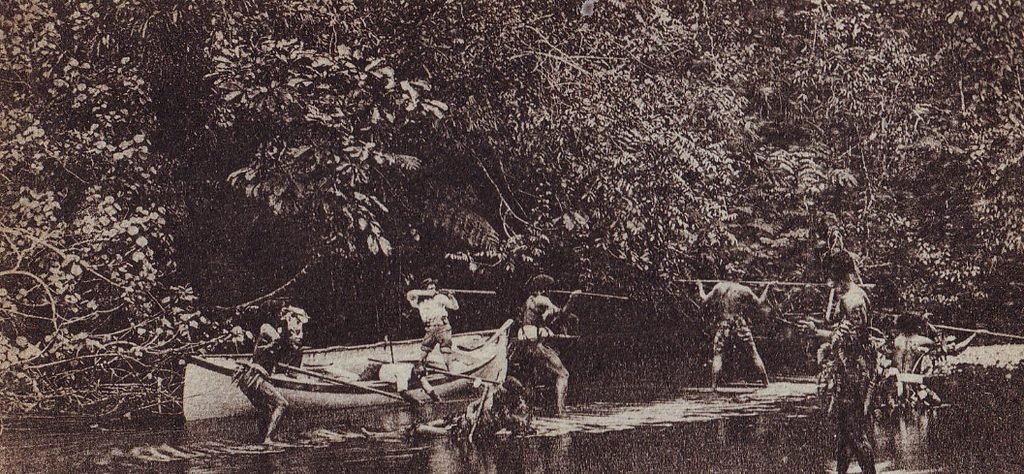
Reverend Baker described the uncertainty surrounding the region he was assigned to as a missionary.
Picture: SUPPLIED
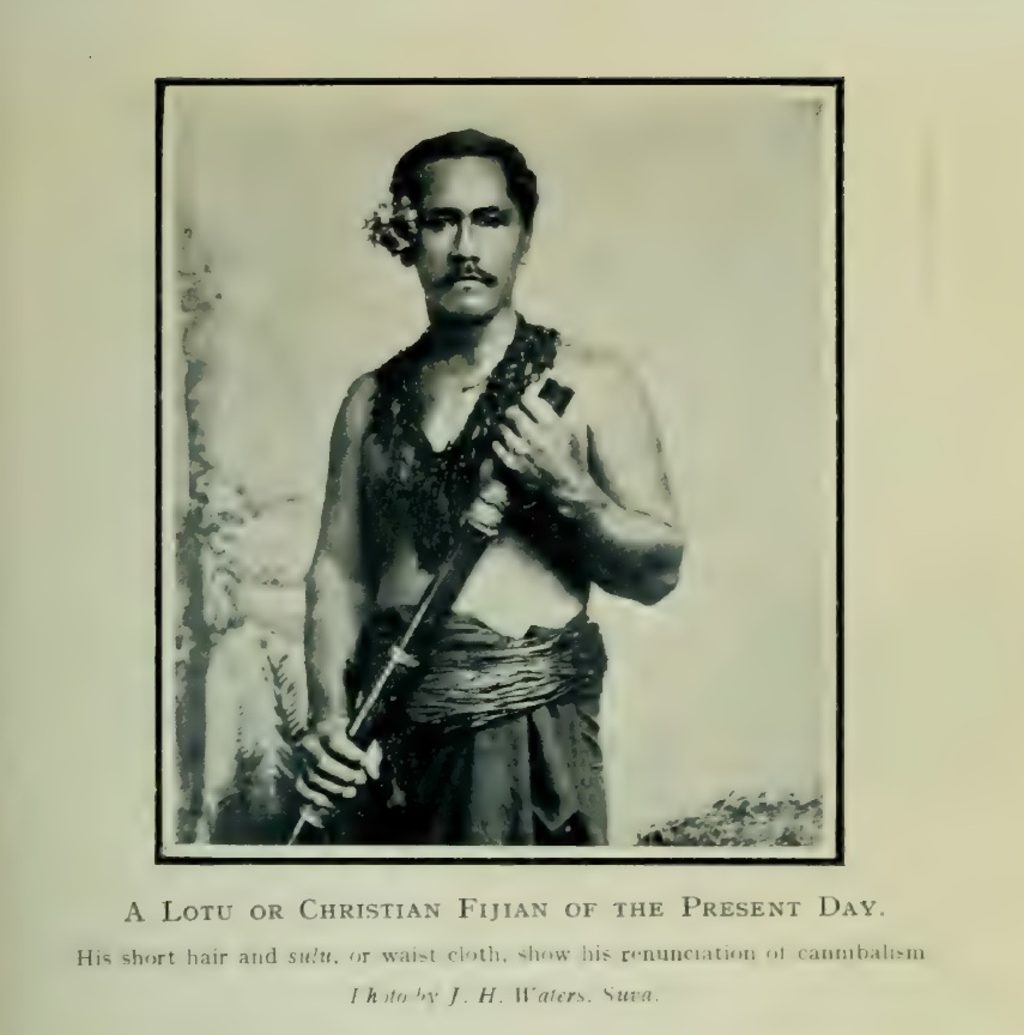
A picture of a lotu or Christian Fijian in the 1800s as portrayed in Adolph Brewster’s book “The Hilltribes of Fiji”. Picture: THE HILLTRIBE OF FIJI
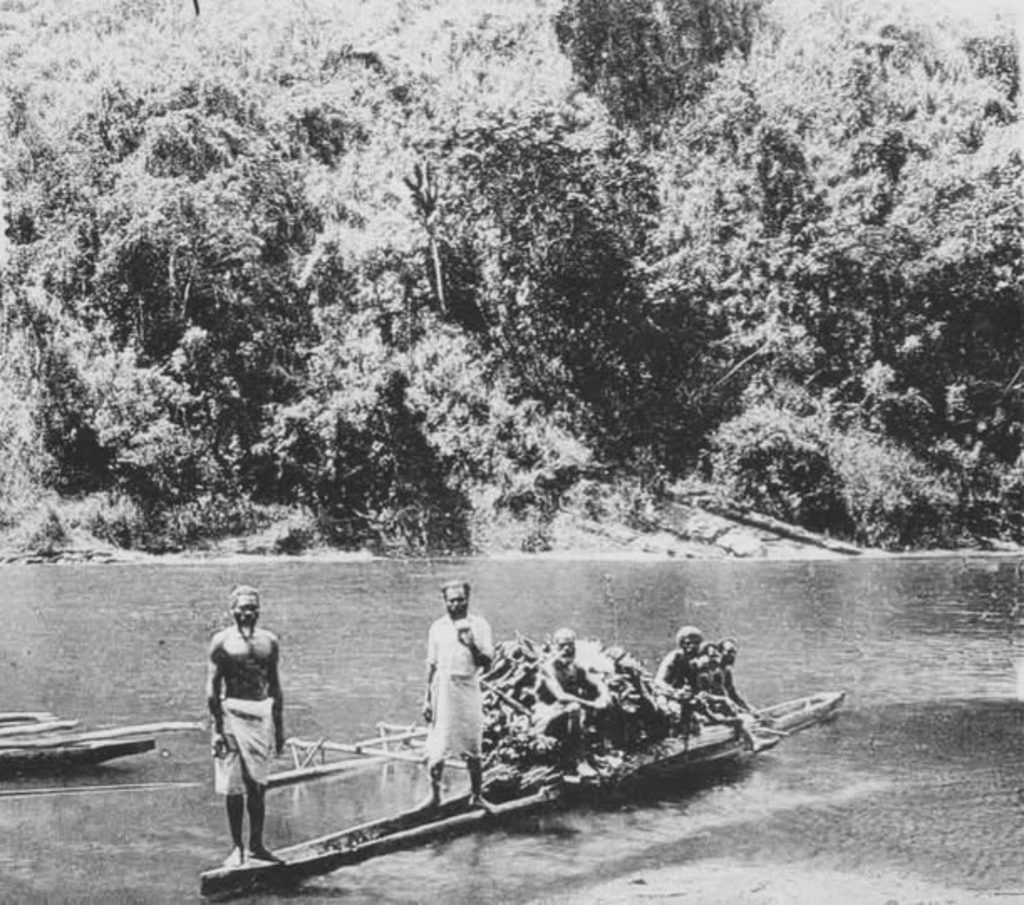
Fijians by the Rewa River. Reverend Baker worked in the Rewa Circuit before he died. Picture: SUPPLIED