WHEN four European explorers set out to make their first successful crossing of Viti Levu in 1865, history would remember the expedition as the achievement of British Consul Captain Henry M. Jones and his companions.
Yet, as Erie Wilson’s account in the Pacific Islands Monthly (October 1967) makes clear, the journey into Fiji’s mountainous interior would have been far more perilous without the knowledge and leadership of John Humphrey Danford – better known as “Harry the Jew.”
Wilson recounts a time when the heart of Viti Levu remained largely unknown to Europeans.
Hostility from the Kaicolo, or mountain people, had frustrated earlier attempts to explore the island, including an expedition sent by Captain Wilkes in 1840.
It would take another 15 years before a successful crossing was achieved.
Into an unknown interior
The expedition was led by Captain Henry M. Jones (V.C)., the British Consul, and included trader F. Hennings, planter J. Boyd and Hamburg naturalist Dr. Graafe.
Also travelling with them was Charlie Lailai, described by Wilson as the Consul’s servant and the son of an early settler, Charlie Pickering.
Their journey began in Levuka aboard the whaleboat of Spanish Frank.
They crossed the reef at Naitasi before travelling up the Rewa river to Nukumoto Island, where they spent their first night at Mr. Storck’s plantation.
The following day brought them to Davis store on the Wainibokasi River, where the expedition gained the man who would become indispensable.
Wilson writes: “John Humphrey Danford (‘Harry the Jew’) joined them as guide and interpreter.”
It was a brief introduction, but one that marked a turning point in the expedition.
The man who knew the country
After passing through the untouched beauty of Suva Bay, the travellers camped at Eggerton’s cotton plantation on Qara Island before entering the Lobau river.
Their final night before leaving European support was spent among “the blackened ruins of a Namosi village which had been but recently sacked by the Serua people.”
Despite the clear warning of conflict ahead, Captain Jones made a decisive move.
“Captain Jones dismissed ‘Spanish Frank’ and his crew, and, under the guidance of ‘Harry the Jew,’ the five men turned their faces resolutely towards the unknown interior,” Wilson highlights.
From that point, Danford became far more than an interpreter.
He guided the party through country unfamiliar to Europeans and into territories where diplomacy and local knowledge were essential for survival.
Survival in the mountains
The first stages of the overland journey tested every member of the expedition.
Wilson describes them struggling through “a wide swamp at the foot of the ranges,” labouring through mud under intense heat while carrying heavy packs.
Dense jungle soon replaced the swamp, leaving the travellers surrounded by silence, broken only by birds.
Water became scarce.
“They were without water and to allay thirst were reduced to licking moisture from hanging mosses that covered the boles of the trees,” Wilson writes.
Yet they did not remain alone for long.
News of their arrival had already spread through what Wilson describes as the bush telegraph.
Runners sent by Ratu Kuruduadua of Namosi met the expedition carrying cooked food, smoked oranges and water.
The following day, exhausted and sore, the Europeans found their burdens eased when their Fijian escort carried their packs through the steep, jungle-covered country.
Each evening more runners arrived with provisions prepared by the Namosi chief.
The group were assisted by the Namosi chief because John Humphrey Danford is Ratu Kuruduadua’s family – being adopted as a brother of the chief.
Welcomed by chiefs
The expedition eventually descended into the Namosi Valley, where Ratu Kuruduadua welcomed them outside the town’s war fence beneath “an ancient shaddock tree whose branches were festooned with human bones.”
Wilson writes that the chief “received his white visitors ceremoniously, conducted them into his town, and bade his wives attend to the preparation of food with their own hands.”
The explorers remained in Namosi for several days before leaving after hearing reports that two women had been killed by the Laselase people.
Hoping to witness what Wilson describes as a cannibal feast, they hurried to the village but arrived only in time to find “the bones of the victims strewn about the town.”
Through the Kaicolo country
The journey continued with Ratu Matanitobua accompanying the party to Muanivatu, a mountain settlement of about 3000 people.
There, a feast awaited them.
Wilson records that seven pigs, large quantities of yams and dalo, and several yaqona roots had been prepared in honour of the visitors.
It was also at Muanivatu that Dr. Graafe earned the nickname Toa-ni-Papalagi (Fowl of the white men) because local people believed his habit of collecting insects meant he was storing food for later.
Although the party intended to remain longer, word reached the isolated settlement that a British man-of-war had arrived in Levuka.
Captain Jones decided to return with urgency.
Wilson notes that Jones departed “leaving Danford and Ratu Matanitobua behind,” while the remaining explorers continued towards Nubutautau through the mountainous interior.
The quiet figure behind the expedition
Wilson’s account celebrates the achievement of the first successful crossing of Viti Levu, but it also reveals the often-overlooked contribution of Harry the Jew.
Danford entered the narrative without ceremony, yet assumed responsibility at the moment the expedition left the safety of the coast.
As guide and interpreter, he led the party into country unknown to Europeans, where every stage depended on local relationships and trust.
Without his guidance, the journey from the Lobau river into the mountainous interior may never have progressed beyond its first difficult days.
While Captain Henry M. Jones’ expedition became part of Fiji’s exploration history, Erie Wilson’s account reminds readers that one of its most significant figures was the man waiting at Davis store on the Wainibokasi River, Harry the Jew – whose knowledge helped lead that successful crossing of Viti Levu.
History being the subject it is, a group’s version of events may not be the same as that held by another group. When publishing one account, it is not our intention to cause division or to disrespect other oral traditions. Those with a different version can contact us so we can publish your account of history too — Editor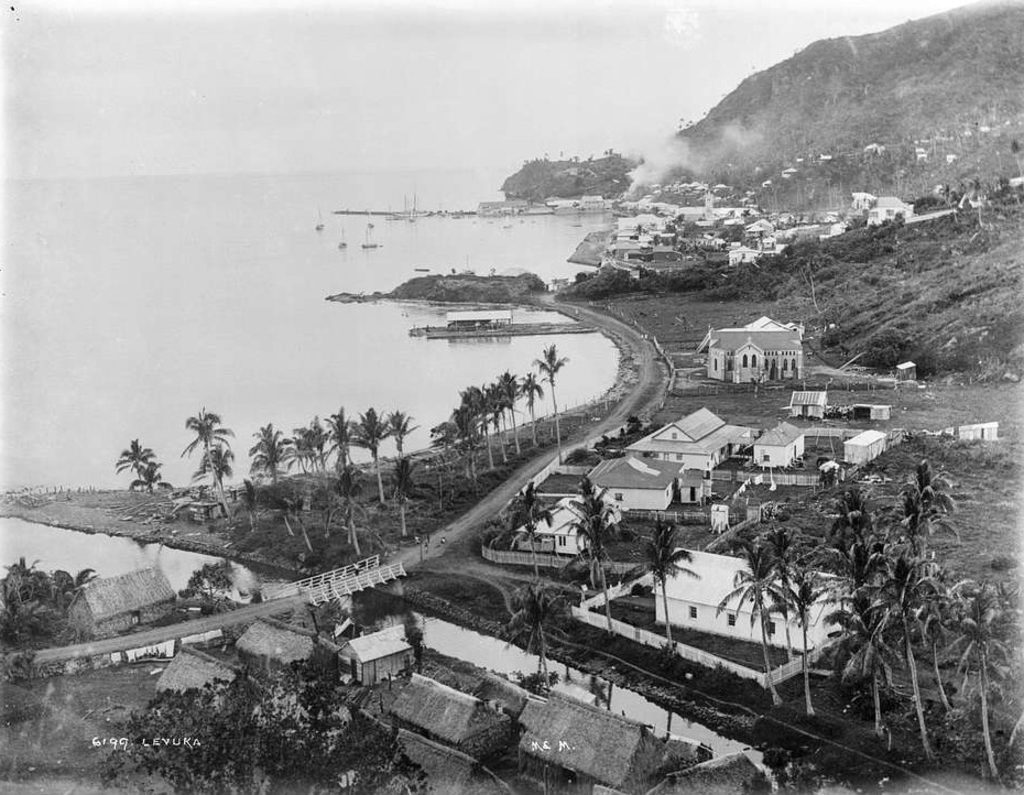
The explorer’s journey began in Levuka aboard the whaleboat of Spanish Frank. Picture: OCEANPOSSE.COM
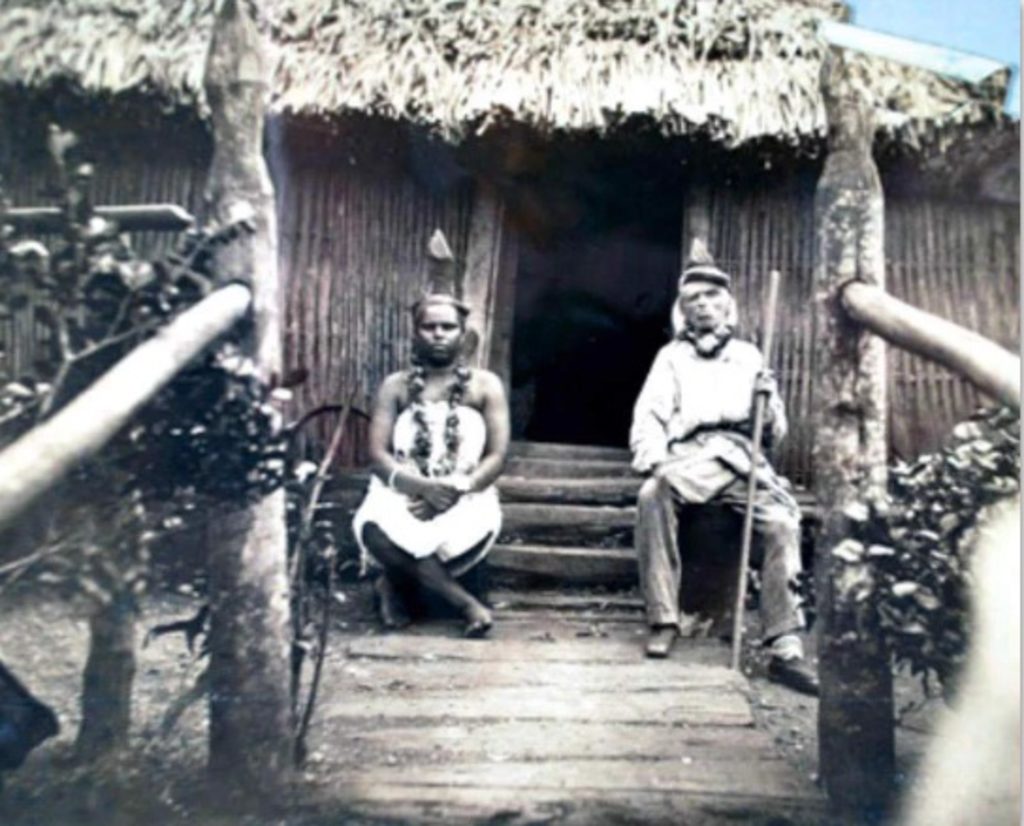
A photo of John Humphrey Danford or Harry the Jew from the Von Hugel Collection taken around the 1800s. Picture: COLLECTIONS.MAA.CAM.UK/DUFTY BROTHERS.
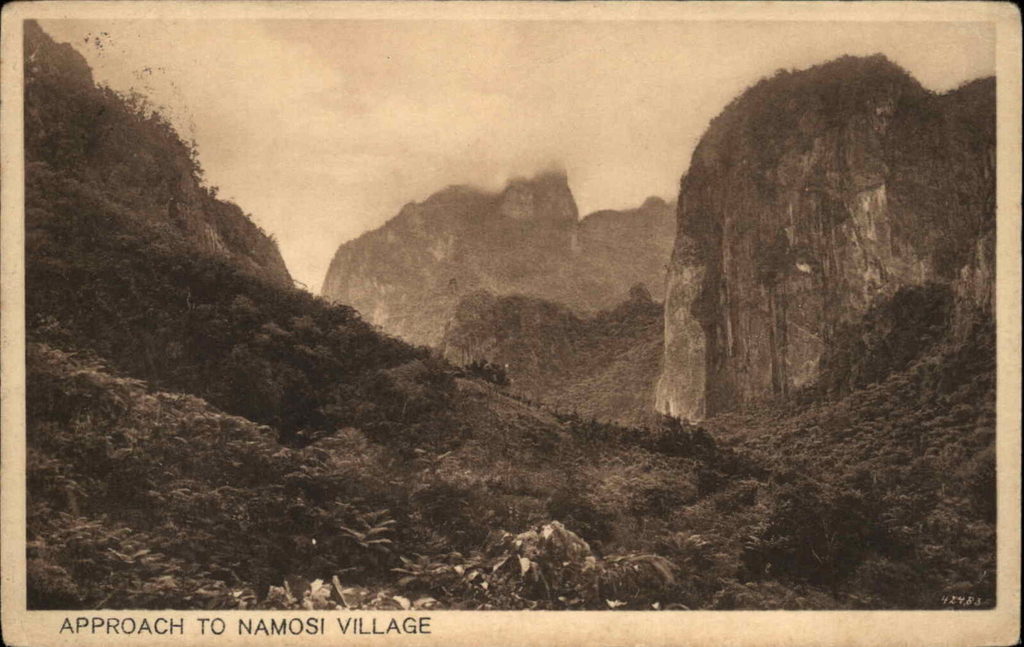
The view when approaching Namosi Village in the early 1900s.
Picture: SUPPLIED
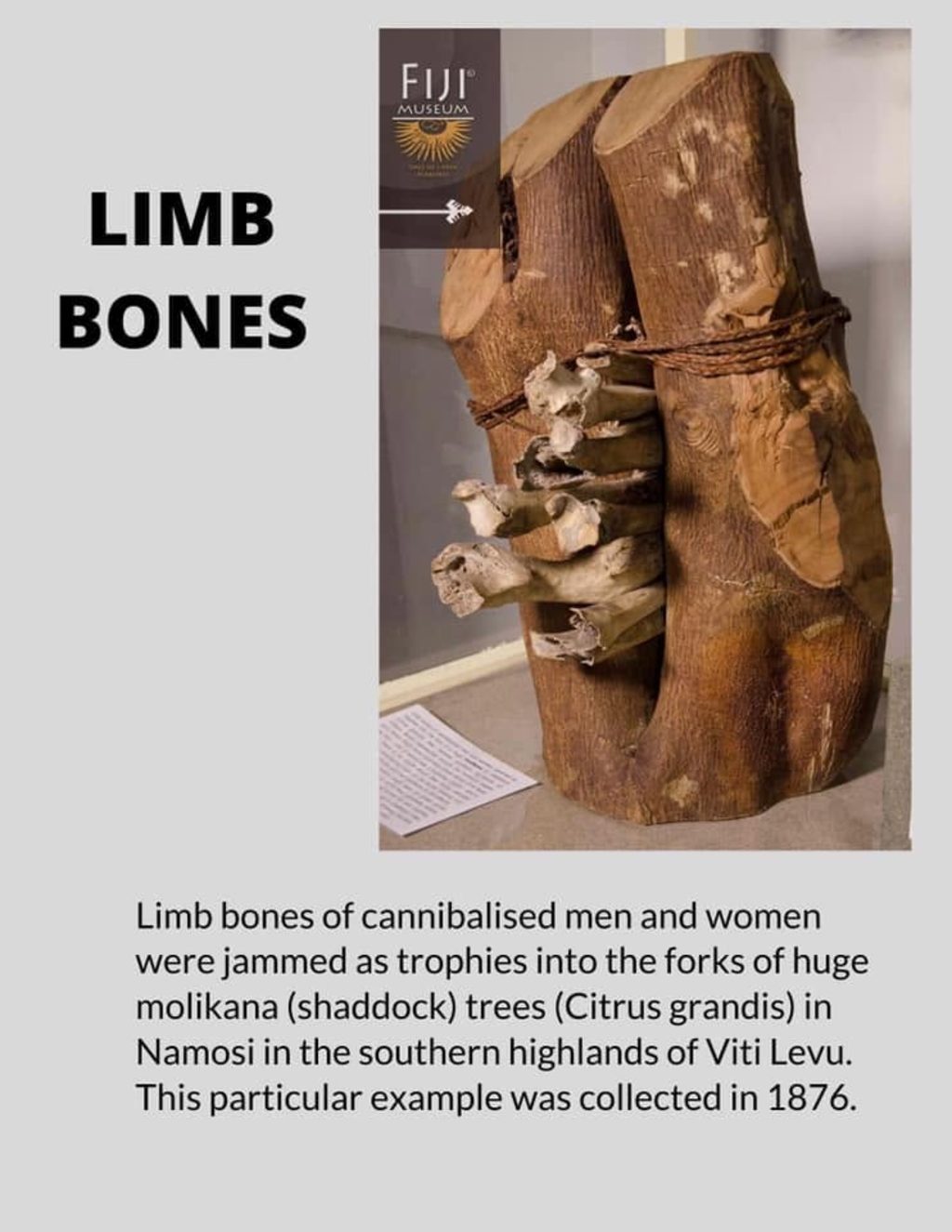
The explorers were greeted by Ratu Kuruduadua beneath an ancient shaddock tree whose branches were festooned with human bones. Picture: FIJI MUSEUM
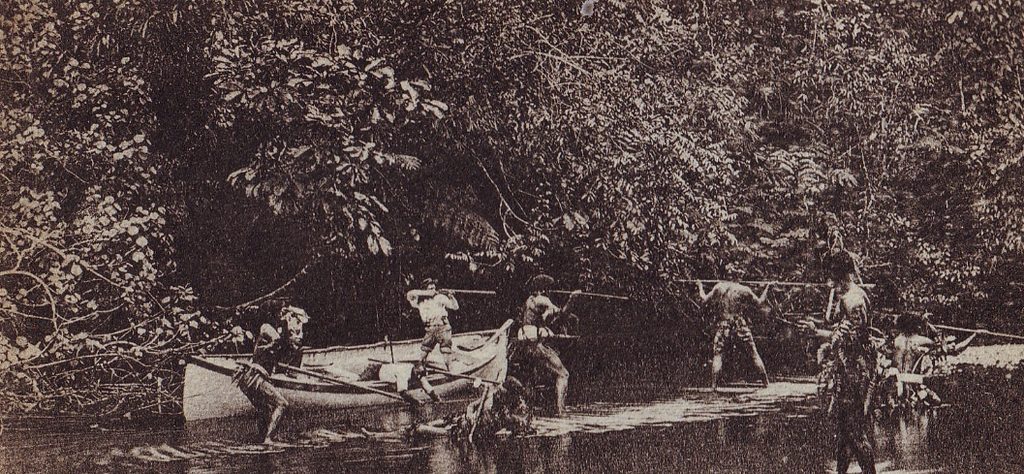
Danford guided the party through country unfamiliar to Europeans and into territories where diplomacy and local knowledge were essential for survival. Picture: PUBLISHED BY GUS ARNOLD
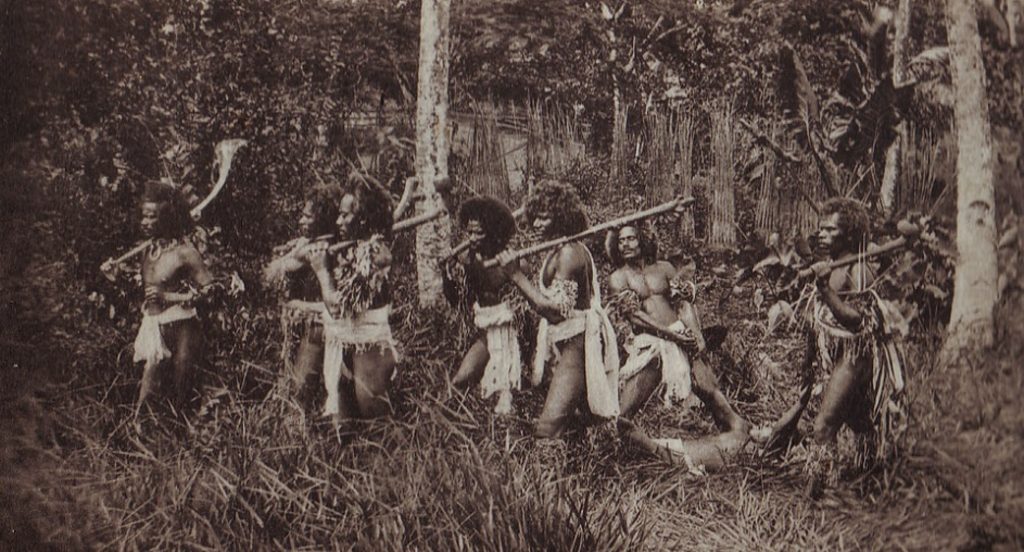
Above: Hoping to witness what Wilson describes as a cannibal feast, the explorers hurried to the village but arrived only in time to find “the bones of the victims strewn about the town.” Picture: PUBLISHED BY GUS ARNOLD
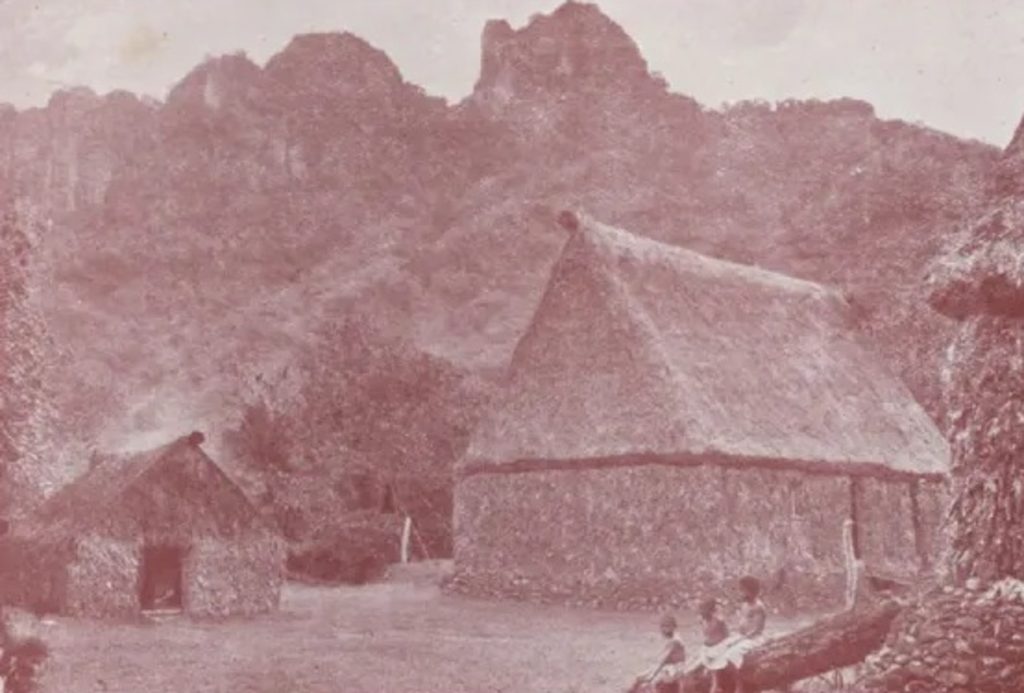
A village in Namosi. Picture: SUPPLIED