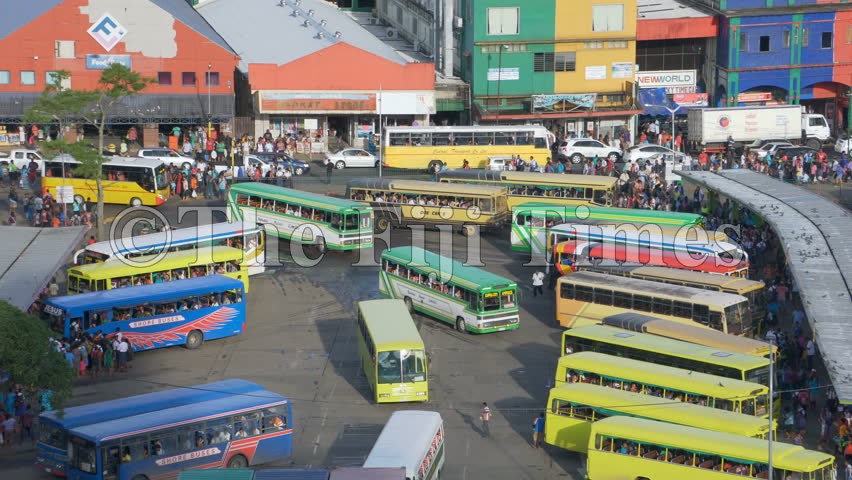
Fiji’s consumer watchdog says that the quality of bus services must match the proposal by the Fiji Bus Operators Association for an increase in bus fares.
The Consumer Council of Fiji made the comment in light of calls by a bus operator and supported by the Fiji Bus Operators Association, seeking an increase in bus fares following the recent hike in fuel price.
And the FBOA has responded to say it agrees with the Council’s criticism but adds that without an increase in bus fares, operators have no financial breathing room to lift the standard of services.
Consumer Council of Fiji CEO Seema Shandil said on Thursday that it had recorded 130 complaints on the quality of bus and customer services from January 2021 to date.
The nature of grievances raised by consumers, she said included unhygienic bus conditions, irregular schedules, rude and verbally abusive drivers, reckless driving, loud music, and charging of incorrect fares.
She added those complaints had been flagged to bus operators and the enforcement agency.
“We agree with the CEO of Consumer Council that the quality of bus services has been severely affected and this is why bus operators have been highlighting the fact that rising fuel prices and other operating costs have made it impossible to keep services at an acceptable level for commuters,” FBOA president Nisar Ali Shah said in response yesterday.
“You don’t have to be a rocket scientist to see that bus services are suffering and also that bus fares are not keeping up with the general rising costs of fuel and other operating expenses.
“In most other industries, companies simply pass on rising costs to their customers. Bus operators are not able to pass on these increases because fares are tightly regulated.”
Mr Shah said operators had no leeway to be able to afford keeping services running comfortably and safely.
“It is a choice between a rock and a hard place: operators cannot go without fuel if they are to keep services running efficiently, while at the same time they are unable to control these rising prices, nor set bus fares themselves at an economically viable level.
“All these factors are putting the squeeze on operators and it is unfair to expect high standards of service without the financial capacity to do so on the part of bus operators.
“Our request for a fare rise is based on the global rise in fuel prices which has increased freight costs and all other associated costs of doing business.”