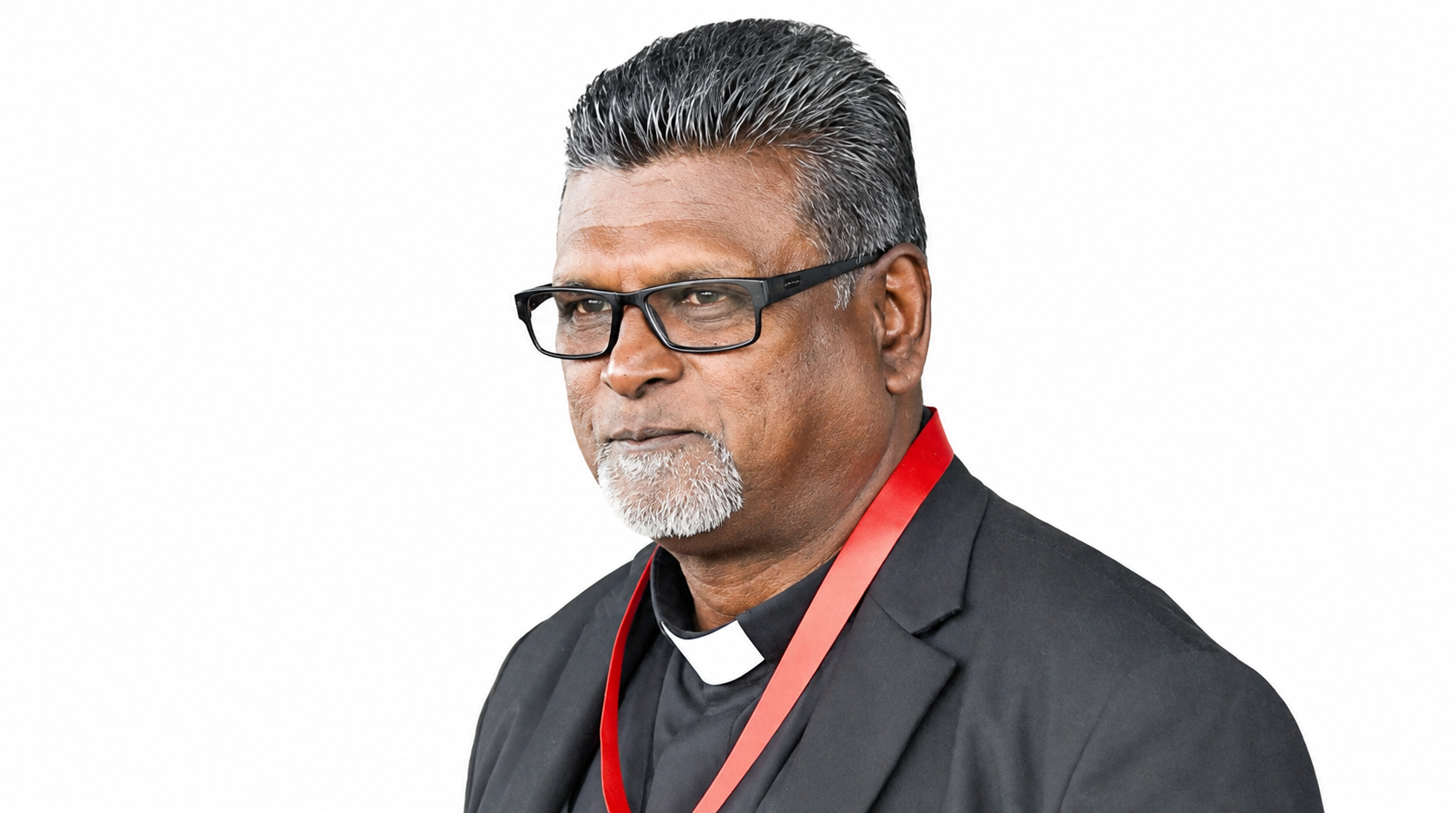
THE Methodist Church in Fiji and Rotuma has strongly rejected claims that race influenced the failure of Reverend Dr Anil Reuben to secure the positions of general secretary or president, but stopped short of explaining why the senior minister has not progressed to either of the church’s top leadership roles despite decades of service.
In a statement issued in response to claims circulating on social media, the church described the allegations as unfounded and misleading and called on police to investigate individuals it said were making statements capable of promoting division and destabilising the church’s reputation.
The controversy centres on claims that Dr Reuben, who has served the Methodist Church for about 50 years and currently holds the position of deputy general secretary, was overlooked for higher office because of his race.
The church, however, said Dr Reuben himself did not make the comments attributed to him online that he was not promoted because of his race.
“The MCIF wishes to make it absolutely clear that Rev Dr Anil Reuben did not make the comments attributed to him by this account regarding race,” the statement said.
While rejecting the race allegation, the church did not address the underlying question of why Dr Reuben has not advanced to the position of general secretary or president, despite his lengthy service and his current senior leadership role as deputy general secretary.
It also did not explain whether he had formally sought either position, whether he had been nominated or considered for the roles, or what factors have influenced previous leadership appointments.
Those unanswered questions remain at the heart of the wider discussion, particularly as the issue has now spilled into public debate over representation, leadership and advancement within one of Fiji’s major religious institutions.
The church instead focused on what it described as the damaging use of social media to circulate claims that could create division, confusion and tension in communities.
It said its name and the reputation of its deputy general secretary were being used by individuals to advance personal agendas and attract online engagement.
“Social media must not become a platform for individuals to pursue personal attention and engagement at the expense of institutions, their leaders and, ultimately, the peace and unity of our nation,” the statement said.
The church urged members of the public to verify information before liking, sharing or supporting posts containing unsubstantiated allegations.