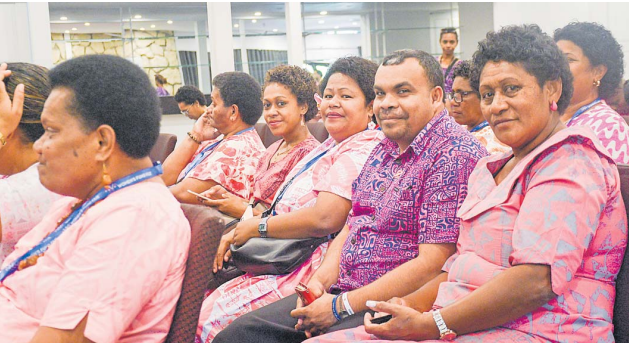
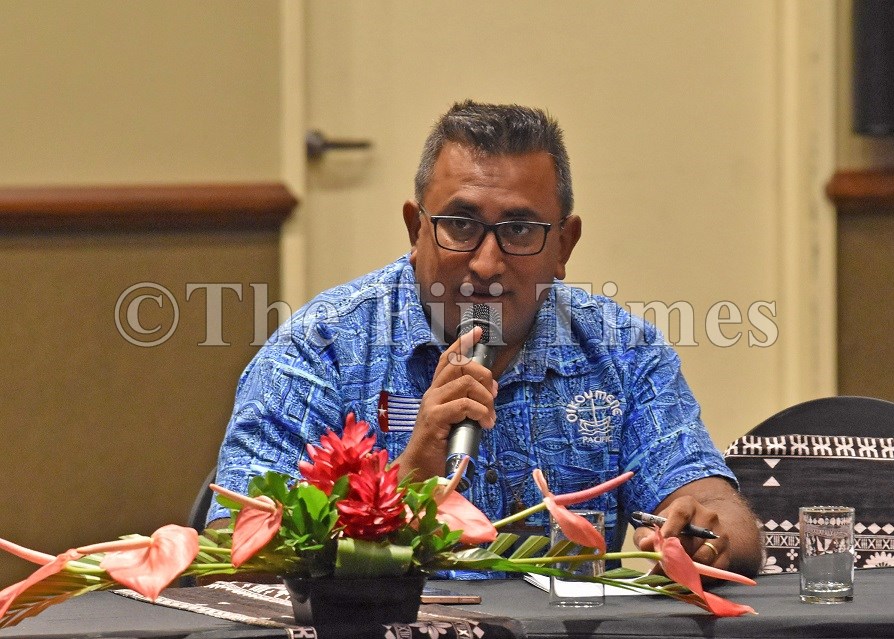
PACIFIC Conference of Churches general secretary Reverend James Bhagwan has challenged faith leaders to confront religious and cultural beliefs that excuse violence against women, stressing that perpetrators must be held accountable for their actions.
Speaking at an interfaith workshop on addressing social problems, Mr Bhagwan said blaming women for their clothing or behaviour reinforced harmful attitudes and shifted responsibility away from those committing violence.
“Because what we’re saying is that men can’t control themselves, and I think that is not an excuse,” he said.
He warned that the misinterpretation of religious teachings, often passed down through generations, had contributed to beliefs that justified male control over women.
Mr Bhagwan said faith communities needed to reflect on how scripture was interpreted and used, particularly when religious teachings became a basis for defending harmful behaviour.
He noted that the problem was not limited to patriarchy but also involved misogyny and deeply rooted negative attitudes towards women. Mr Bhagwan also questioned how some religious leaders handled cases of domestic violence, saying survivors who sought counselling were sometimes met with questions that placed the blame on them rather than addressing the actions of their partners. He recounted an example of a woman being questioned about why dinner was cold after her husband returned home late from drinking yaqona.
“Wasn’t the fact that the husband came back late from drinking yaqona and the family had gone to sleep.”
He said such responses failed to recognise the circumstances surrounding the abuse and risked reinforcing the very attitudes that allowed violence to continue.
Mr Bhagwan urged faith leaders to take a more active role in challenging these beliefs, supporting survivors and ensuring that members of their communities were not shielded from accountability.
He stressed that while personal faith was important, religious communities also had a collective responsibility to confront wrongdoing and address violence within their own ranks.
“There’s a personal aspect of religion that we often talk about, but there is very much still a level of accountability.”