
GOVERNMENT contingency plans in response to the impact of the ongoing global fuel crisis will be part of the 2026-2027 National Budget.
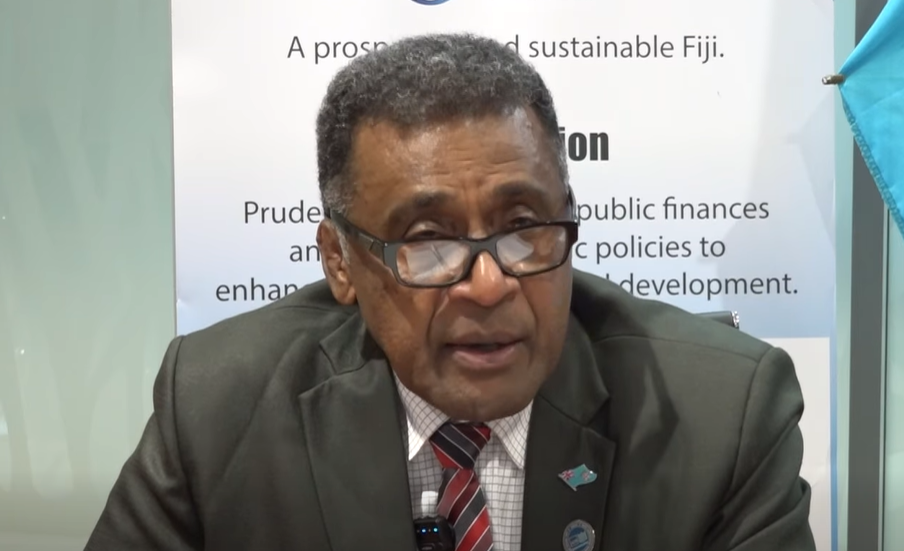
In Parliament yesterday, Finance Minister Esrom Immanuel said this was due to rising downside risks on Fiji’s economic growth projections and elevated living costs placing pressure on revenue collections in the months ahead.
“We will continue to review and reprioritise non-essential and lower-priority expenditures to ensure that critical public services, social protection programs and key infrastructure investments remain protected,” he said.
“A number of expenditure containment measures have already been implemented across Government and these include a 20 per cent pay reduction for ministers and members of Parliament, a freeze on new recruitment within the civil service, tighter controls on Government vehicle usage, and reductions in travel, workshops, conferences and other operational expenditures.
“Government will further strengthen revenue administration and compliance measures to safeguard collections during this period of uncertainty.
“This includes enhanced tax compliance activities, strengthened customs monitoring, improved arrears collection and continued investment in digital revenue administration systems to improve efficiency and reduce leakages.”
He said the Finance Ministry was also actively engaging with multilateral development partners, including the World Bank, the Asian Development Bank and the Asian Infrastructure Investment Bank to secure financing support for the next financial year.
“At the same time, Government continues to work closely with domestic institutional investors, including the Fiji National Provident Fund and the broader financial sector, to support Government’s financing requirements for the upcoming Budget.
“Preparations for the 2026–2027 National Budget are already well underway, and Government’s foremost priority will continue to be safeguarding essential services such as healthcare, education, social protection and critical infrastructure.
“At the same time, we will ensure that targeted support remains available for businesses, workers, and vulnerable households during this period of heightened global uncertainty.”
Mr Immanuel said the reality was that the duration and volatility of this crisis remained uncertain.
“Global fuel markets continue to be highly unpredictable and there is no clear indication as to how long these pressures will persist.”

