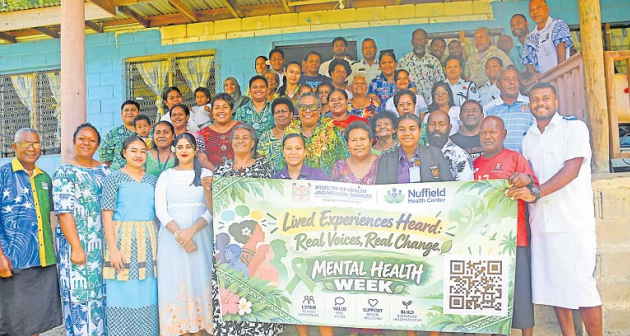
PEOPLE living with mental illness continue to face stigma, marginalisation and barriers to justice, with many requiring ongoing support to rebuild their lives after treatment.
The Psychiatric Survivors’ Association is working to address these challenges through legal assistance, rehabilitation and community support for people with lived experience of mental illness.
Association member and survivor Aca Tamanitoakula said people living with mental illness were often marginalised, while keeping track of members remained a challenge because many continued to experience mental health difficulties.
The association, which began as a small support group in 2002, was founded in 2004 and registered as a non-charitable organisation in 2006.
It has about 500 official members on record, although the actual number is believed to be much higher.
“When we go to St Giles and we get their names and their numbers, of course they are still sick,” he said.
The association has recorded between seven and nine cases this year in which members sought legal support.
“One thing about being mentally ill is that your right is taken away. Our view on able-bodied people is that they know everything. And of course, we are marginalised.”
He said some people took advantage of individuals with mental illness when they sought assistance with legal matters.
This was one of the reasons the association operated a legal access to justice program to help members navigate such challenges.
The association had also recorded about four relapse cases this year, requiring careful handling and support.
“When there is a relapse, we are very careful of the tone of voice.
“We try to be calm. But if they become aggressive, then we must call the police.”
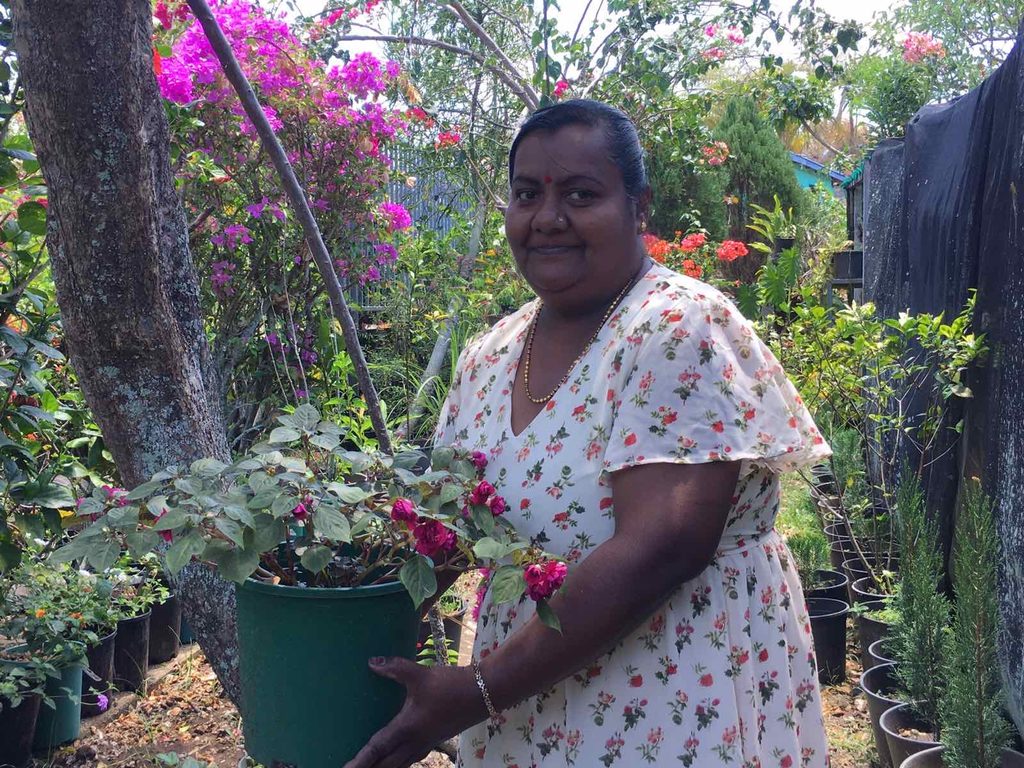
For members leaving St Giles Hospital or the correctional system, the association runs a crop rehabilitation program at a rented home, with costs covered by donors. The program operates on Wednesdays, Thursdays and Fridays.
He said the program helped members understand that leaving institutional care was not the end of their journey, but an opportunity to rebuild their lives.
“As soon as you come out of St Giles, you go there. It’s for rehabilitation purposes. Because when you go to St Giles, it’s not the end. There’s more to life. We always tell them, God has a purpose for everyone.”
Mr Tamanitoakula urged people with lived experience of mental illness not to lose hope, saying they could overcome challenges and make meaningful contributions to society.
“This is not the end of the world. For everyone that will be reading this, there’s more to life.
“There are many opportunities for you, for all of us. And we can overcome the barriers. And we can survive our illness and be a productive person in our country.”