ACROSS Fiji’s coastal communities, female artisans are using mabé pearls and the mother-of-pearl of oyster shells to create quality jewellery and handicrafts, driving the development of a mabé pearl farming sector.
With support and training provided to communities through a series of projects supported by the Australian Centre for International Agricultural Research (ACIAR), women are also farming for pearls and developing new livelihood opportunities.
Mabé pearl potential
Professor Paul Southgate, at the University of the Sunshine Coast, leads mabé pearl projects for ACIAR, using the winged pearl oyster (Pteria penguin).
Professor Southgate said the production process for mabé pearls – also known as blister or half pearls – was simpler than for round pearls and could be learned by local people with training.
‘You can also create multiple pearls per oyster – usually three-to-five – and the mabé form in 10 to 12 months, which is around half the time required for a round pearl,’ he said.
Mabé pearls are also lightweight, non-perishable and high-value, and there is no minimum quantity needed to create value.
Assisted by ACIAR-supported research, 8 villages have established Fiji’s first community pearl farms, sustainably collecting pearl oyster juveniles, known as spat, and raising them to produce mabé pearls.
Multiple income streams
Mabé pearl production provides diverse income opportunities. While most pearl farming groups are run by women, different groups within villages manage different parts of the production chain.
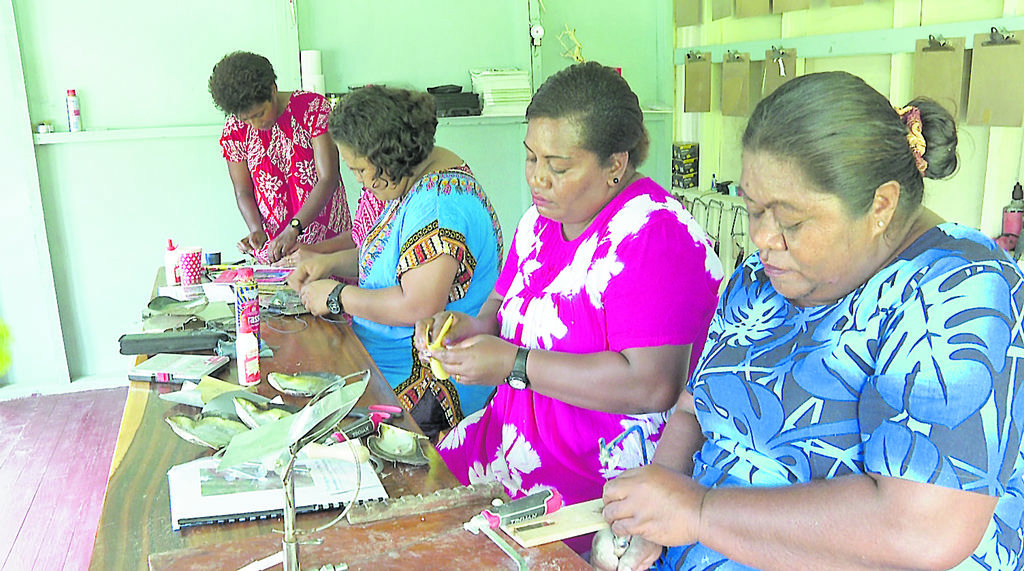
“In Raviravi on Vanua Levu, the women work together to create handicrafts with the mabé pearls and pearl oyster shells,” explained Professor Southgate. ‘The money they make allows them to employ others in the village, particularly the young men, to do the more labour-intensive activities of pearl farming. That’s one example of the way the project has empowered women.’
In terms of income potential, farmers can earn money by selling wild oyster spat that they collect on ropes hung in the ocean. They can retain the spat and grow oysters to a larger size for sale to artisans for the mother-of-pearl within the shells.
“Or they can keep growing the oysters for mabé pearl production,” said Professor Southgate.
“Then they have the choice of selling the pearls and shells to handicraft makers or keeping them to produce their own handicrafts and jewellery. Some villages are effectively vertically integrated; they do all of those things.”
Technical support and training
The project has provided technical advice on spat collection, oyster husbandry and mabé pearl production. It has held workshops for artisans, including regular design and handicraft skills training from a New Zealand jewellery designer.
Workshops held at centralised hubs in Fiji – one at Nasomo Ra Marama Women’s Cooperative of Somosomo on Taveuni island and another at the Ministry of Fisheries compound in Savusavu on Vanua Levu island – have demonstrated the use of power tools. Training using hand tools is conducted in village communities where power supply is less reliable.
Mrs Josephine McComber Vuevuelase is a member of the women’s handicraft cooperative on Taveuni, which has used mabé pearls and pearl shells supplied through the ACIAR-supported project since 2019. In addition to jewellery design and production, she said members have also received training in enterprise development, including the roles and responsibilities of cooperative members.
Becoming a cooperative in 2024 allowed the women to successfully apply to the Ministry of Fisheries for a boat to support their enterprise.
“We can use the boat to visit resorts and show our products to increase our income,” explained Mrs McComber Vuevuelase.
There are currently 11 women in the cooperative, generating incomes of FJ$200 (A$136) a week, while the average income in Fiji is FJ$140 (A$95) a week. Mrs McComber Vuevuelase said they plan to train other women in the village, expanding the cooperative and income opportunities.
The Ministry of Fisheries is a key partner in the ACIAR-supported project and the training has helped its staff build their expertise in spat collection, pearl production, handicrafts and equipment maintenance. This will enable them to provide ongoing support for further communities and women’s groups joining the pearl sector.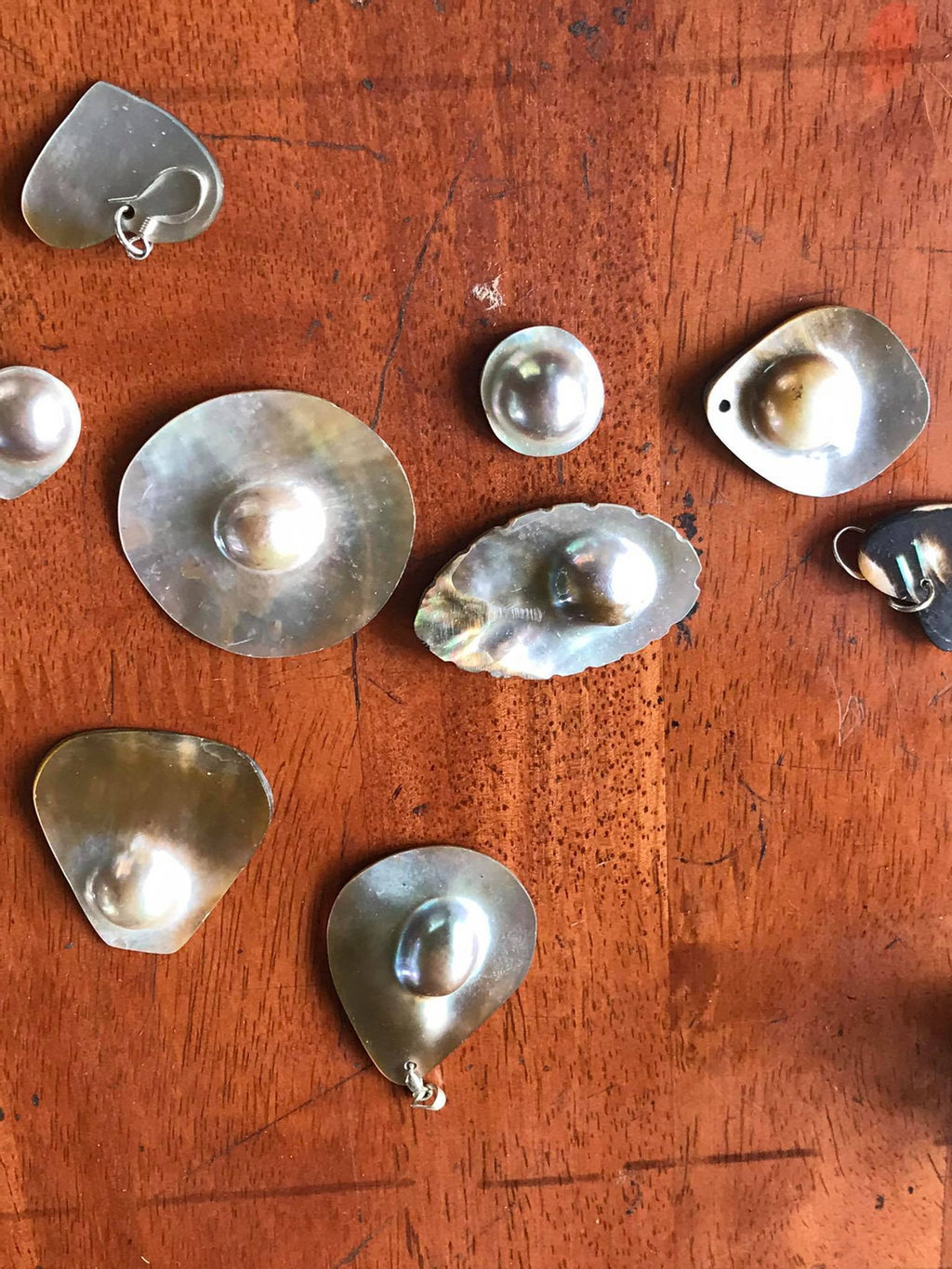
Cut out mabé ready to be made into handicraft items. Picture: SUPPLIED
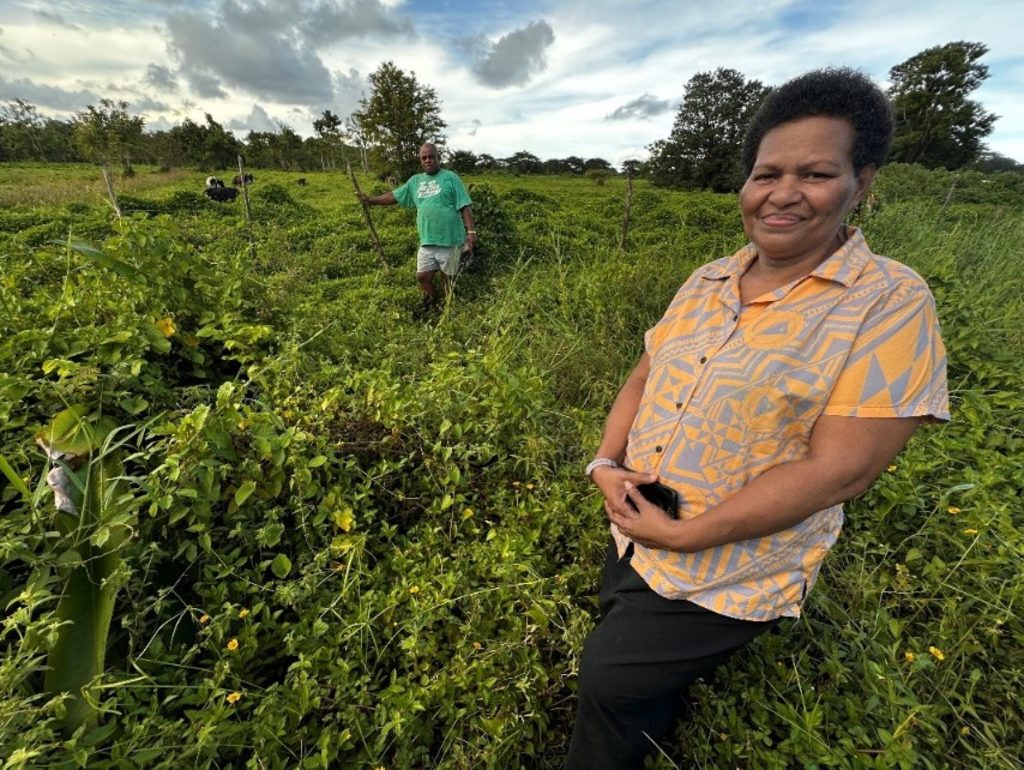
Aleveo Basaga and Elesi Mila at their cattle farm in Navunisole Village, Tailevu. Picture: SUPPLIED
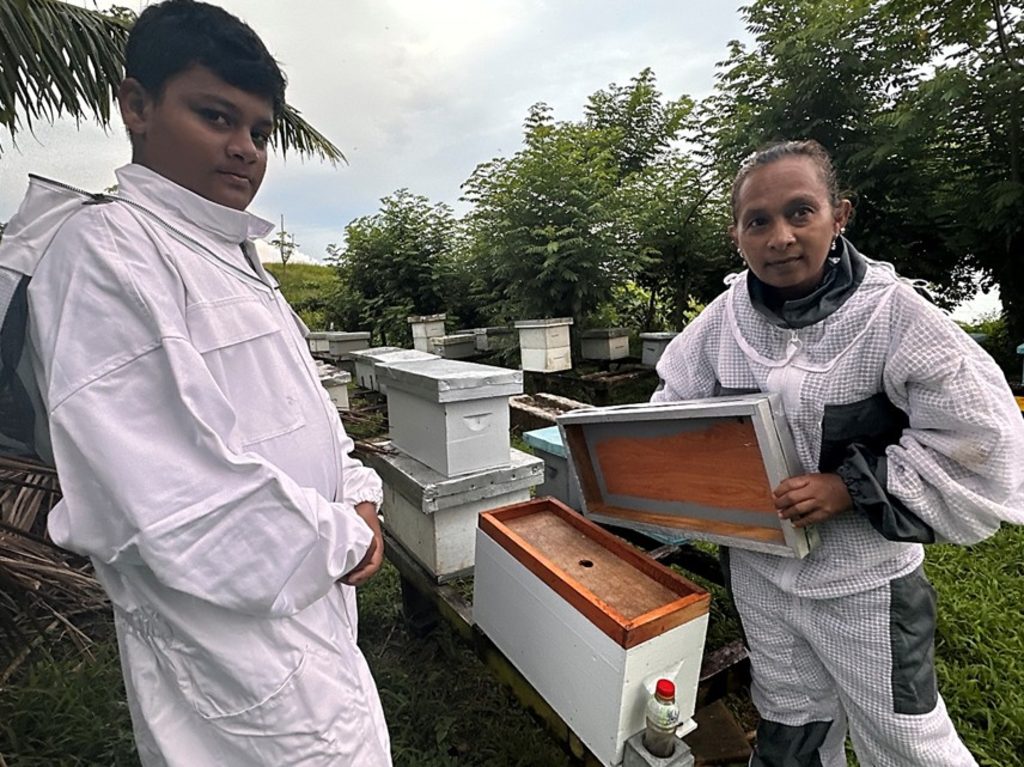
Right: Atrul Nisha and her son run a bee farm on Taveuni Island. Atrul was a standout participant in the Family Farm Teams (FFT) training held in Naqara, Taveuni. Picture: SUPPLIED
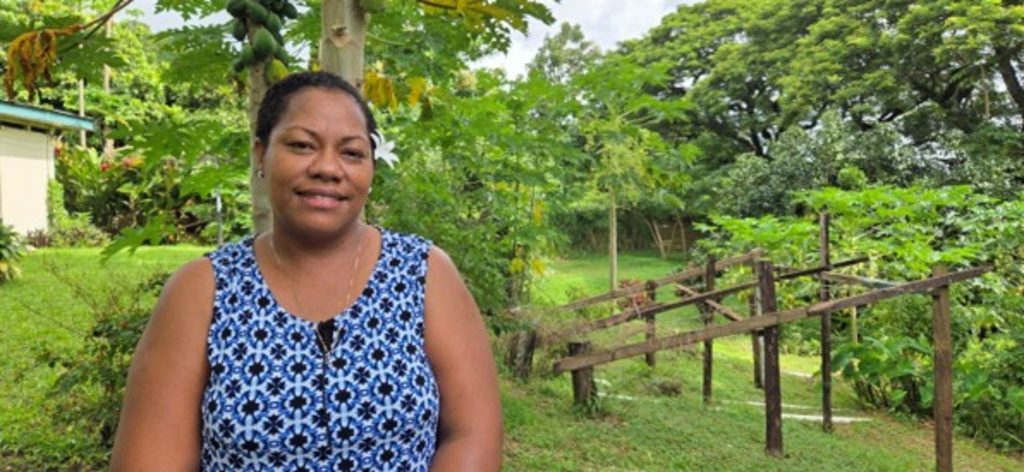
Miriama Tikobaravi at Tutu Rural Training Centre on Taveuni. Picture: SUPPLIED