Trashboom Pacific has secured approximately $225,000 in funding to install 10 additional floating waste barriers across Fiji’s rivers and waterways to prevent plastic pollution from reaching the ocean.
The funding, equivalent to US$100,000, is being provided through the Sustainable Waste Actions in the Pacific Phase 2 (SWAP2) Project, financed by the French Development Agency (AFD) and implemented by the Secretariat of the Pacific Regional Environment Programme (SPREP).
The Fiji Riverine Trashboom Initiative was officially launched following the signing of the funding agreement between SPREP and Trashboom Pacific.
The initiative will see the installation of 10 additional Trashboom systems at priority river and drainage catchments, alongside waste monitoring, community engagement and data collection.
An inception meeting held virtually on November 2 brought together representatives from Trashboom Pacific, Fiji’s Ministry of Environment and Climate Change, AFD and the SWAP2 Project Team.
AFD Head in Fiji Elodie Vitalis said preventing plastic waste from reaching reefs was important, but identifying the sources of pollution was equally critical.
“Stopping plastic before it reaches the reef is vital, but knowing where it comes from is what changes the game,” Ms Vitalis said.
“Every Trashboom is also an observatory: by tracing litter back upstream to its source, it gives the Ministry the evidence to design policies that cut waste where it is generated.”
Permanent Secretary for Environment and Climate Change Dr Sivendra Michael said the initiative supported Fiji’s National Waste Management and Pollution Control Strategy 2026–2035.
He said protecting Fiji’s oceans was essential to people’s livelihoods, culture and wellbeing.
“Through our partnership with SPREP and Trashboom Pacific, we are strengthening a whole-of-system approach to tackling pollution, combining upstream measures to prevent waste generation with downstream solutions that serve as a final line of defence,” Dr Michael said.
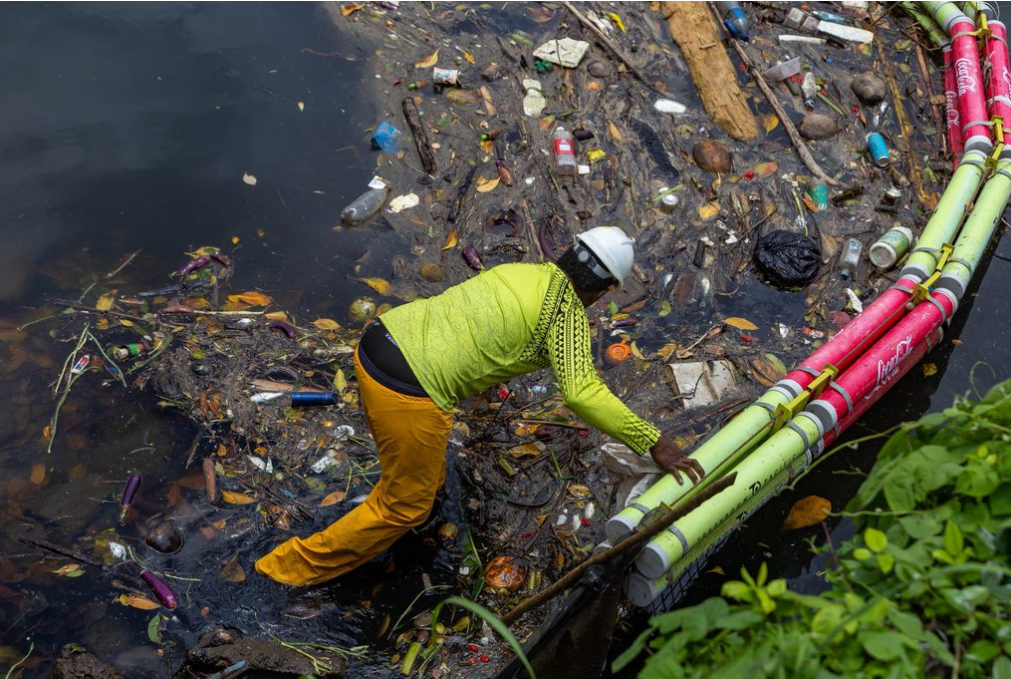
Trashbooms are floating barriers designed to capture plastics and other debris moving through rivers while allowing water to continue flowing.
The systems help prevent waste from entering estuaries, mangroves, coral reefs and the wider marine environment.
The initiative builds on existing installations at Nausori, Nakasi, Sigatoka, Nabua and the Holiday Inn Creek outlet.
Monitoring data from these five locations showed that a combined 341.78 kilograms of solid waste was collected between February and March 2026.
The additional installations are expected to strengthen Fiji’s efforts to reduce land-based plastic pollution and protect its marine ecosystems.