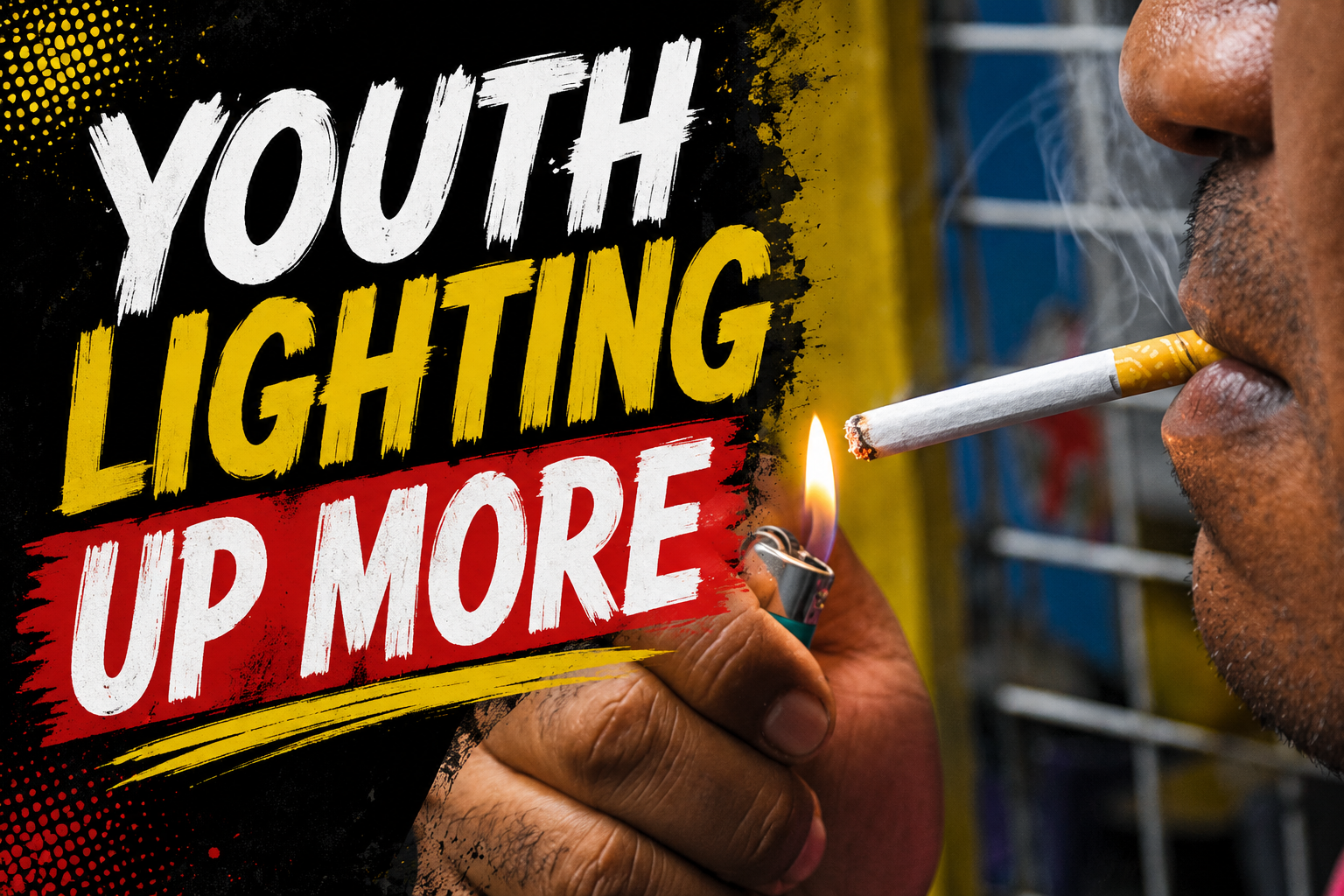
FIJI is witnessing a worrying trend as alcohol consumption and smoking among younger age groups continue to rise.
The findings were presented yesterday by the Ministry of Health’s Head of Health and Wellness, Dr Devina Nand, during the Ministry’s latest STEPS survey presentation at the Fiji College of General Practitioners conference.
Dr Nand said 36.3 per cent of Fijians currently smoked tobacco, with men making up 50 per cent and women 20.6 per cent of current smokers.
She said 19.5 per cent of the population smoked daily, while 80.6 per cent of smokers used manufactured cigarettes and 9.5 per cent used smokers’ tobacco.
“A lot of the smokers’ tobacco was in the younger generation, 18 to 29,” Dr Nand said.
She said tobacco use was most common among people aged 18 to 49, with the Eastern Division recording the highest smoking rates.
“Only 24 per cent abstained in this population compared to 57 per cent of abstinence in the West.”
Dr Nand said 56 per cent of smokers had attempted to quit in the previous 12 months, which she described as a positive indication for the need to strengthen tobacco cessation clinics in health markets.
On alcohol use, Dr Nand said 31 per cent of people currently drank alcohol or had consumed alcohol in the past 30 days, while 51 per cent were abstainers.
She said 23.6 per cent of men engaged in heavy episodic drinking, compared with 5.8 per cent of women.
She also said 46.9 per cent of women were lifetime abstainers, compared with 23.4 per cent of men.
The report recommended early intervention across the life course, especially for tobacco use, because young adults recorded the highest smoking rates.
It also said alcohol messaging may need to be reframed, noting that current ministry messaging focused on moderation and responsible drinking, but did not explicitly state that any alcohol use carried health risks.
At policy level, the report recommended a whole-of-government and whole-of-society response. This includes higher taxes on tobacco, alcohol, unhealthy food and sugary drinks, tighter controls on tobacco and alcohol marketing, stronger school, workplace and community wellness programs, and more health promotion through community health workers.