A two-month-old baby is Fiji’s youngest patient living with tuberculosis and HIV co-infection.
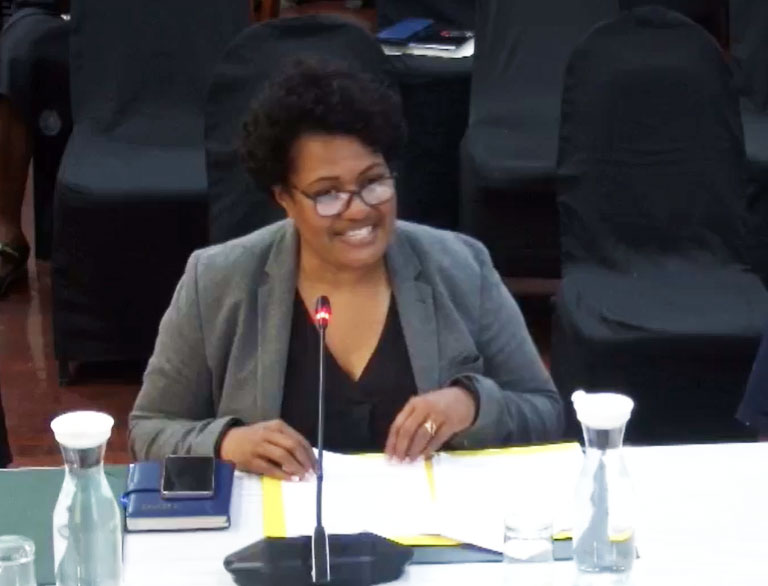
National TB program control officer Dr Luse Buinimasi revealed the case during the Fiji Medical Association annual conference, where she said 438 TB cases had been recorded as of August 31 this year, with 182 of those patients also living with HIV.
She said paediatric TB remained a major concern, with 23 children under five diagnosed with TB last year and 70 per cent also having HIV.
Dr Buinimasi said one of the concerns was that some parents were unaware of their own HIV status until their children were diagnosed, highlighting the need for families to be screened when children present with TB or HIV.
“As long as we’re getting pediatric TB every year, this is telling us there’s still active, ongoing transmission happening in our communities,” she said.
Dr Buinimasi said Fiji had also recorded 13 drug-resistant TB cases between January 1 and August 31 this year, compared with 11 for the whole of 2025 where 46 per cent of the drug-resistant cases were also co-infected with HIV.
She said delayed diagnosis remained a major challenge, with some patients presenting only after the disease had become widespread.
“There’s a delay in diagnosis of this disease,” she said, urging doctors to collect sputum samples from patients with a cough before prescribing antibiotics.
She explained that the national TB program is seeking to decentralise services across Fiji’s 21 subdivisions, allowing patients to access screening, diagnosis, treatment and follow-up closer to home.
Dr Buinimasi said the program also needed more GeneXpert machines and X-ray services, inpatient care in the Western and Northern divisions, and additional staff to strengthen TB services.
She said Fiji’s TB treatment success rate was only 59 per cent for the 2024 cohort, well below the national target of more than 90 per cent.