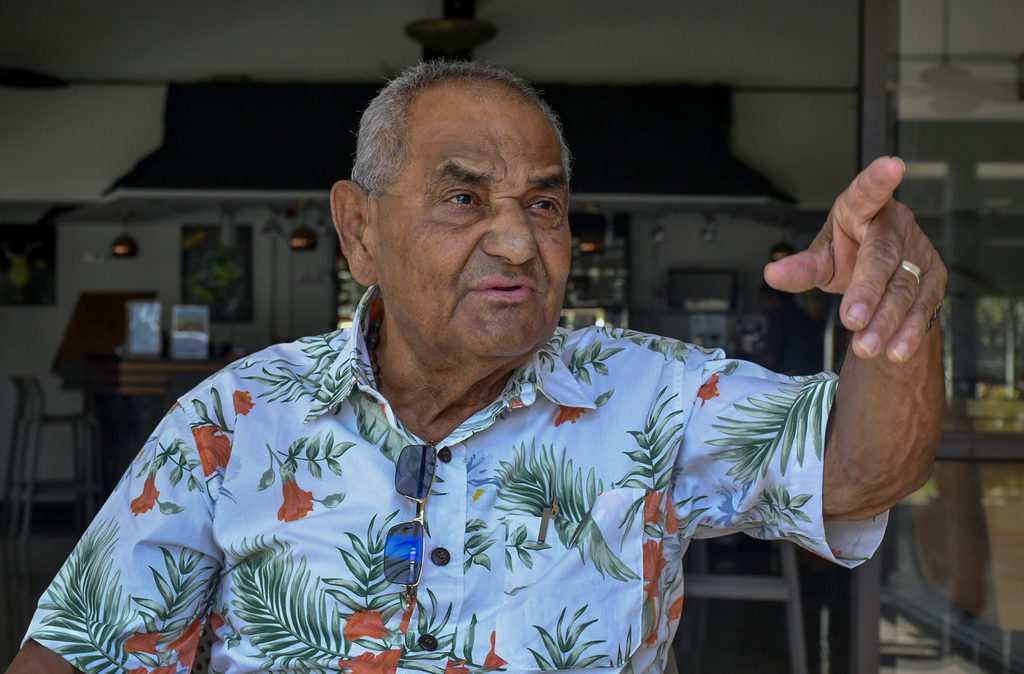
AGRICULTURE officials and farmers must be alert to unusual changes in animal health and crop conditions to help detect infectious disease threats before they escalate, says Agriculture Minister Tomasi Tunabuna.
Speaking at the recent launch of the Strengthening Infectious Disease Detection Systems (STRIDES) initiative at Twomey Hospital in Tamavua, Mr Tunabuna stressed the importance of cooperation between the agriculture and health sectors.
“Diseases do not always respect sectoral boundaries,” he said.
“Some infectious diseases can move between animals and humans.
“Environmental changes and weaknesses in surveillance can also increase risks to our communities.”
Mr Tunabuna said farmers, livestock officers, agricultural extension personnel, veterinarians, laboratory specialists and environmental officers played vital roles in identifying potential threats.
“When these observations are reported promptly, assessed properly, and shared with the relevant authorities, threats can be identified before they become more serious.”
He said early detection would give authorities a better opportunity to manage disease outbreaks effectively, protecting communities and agricultural resources.
“We must, therefore, continue to strengthen communication and coordination between our agricultural and health institutions.”
He said preparedness must begin before an outbreak occurred, rather than after farmers suffered losses or communities were placed at risk.
He highlighted regular animal health monitoring, timely disease reporting, farm biosecurity and farmer awareness as essential preventive measures.
“Prevention is not the responsibility of Government alone. It is a shared responsibility involving farmers, communities, businesses, technical institutions, and our development partners.”
Mr Tunabuna said STRIDES’ focus on faster detection would require reliable surveillance systems, capable laboratories, trained professionals and timely information sharing to protect livestock, crops and farmers’ incomes.