THE World Health Organization remains a strong partner in Fiji and the Pacific’s efforts to address climate-driven public health risks across Pacific Small Island Developing States (PSIDS).
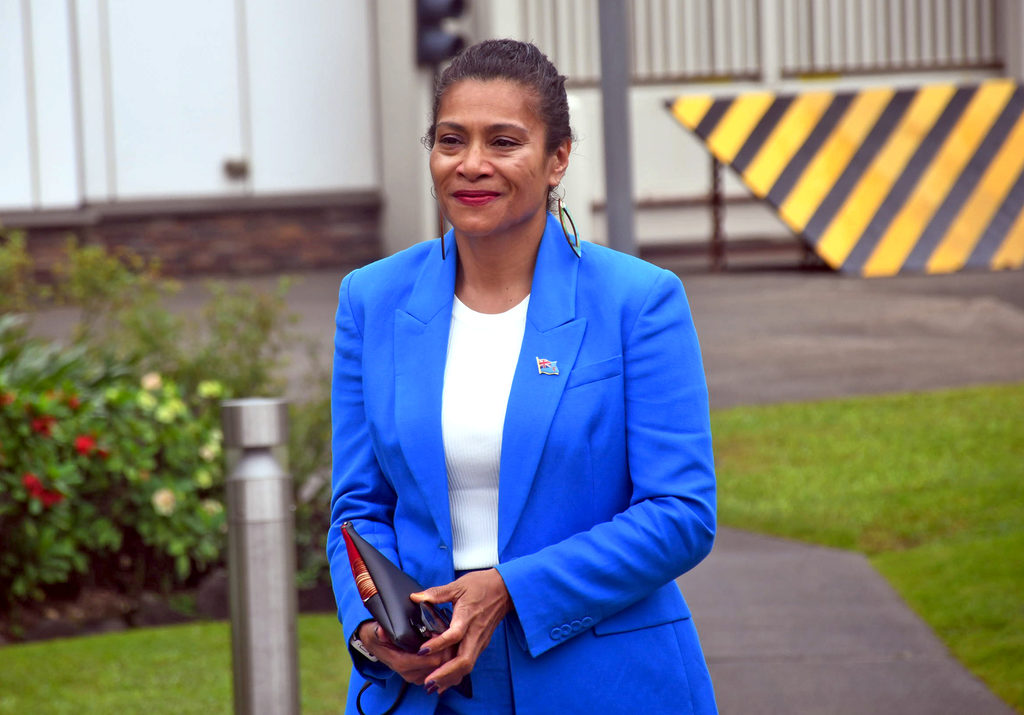
During a bilateral meeting with WHO regional director for the Western Pacific Dr Saia Ma’u Piukala, in Nadi yesterday, Minister for Climate Change Lynda Tabuya said the Ministry of Health and Medical Services continued to lead regional climate resilience, building on its landmark 2021 facility guidelines and the Health Adaptation Plan 2024–2030.
“However, to combat climate-sensitive diseases like dengue and leptospirosis, we must secure strengthened WHO support to link health surveillance directly with meteorological data,” she said.
“Our collaboration extends to domestic health emergencies, notably Fiji’s current national HIV crisis, and WHO’s technical backing is vital to operationalise stigma-free harm reduction, decentralize testing under our HIV Surge Strategy 2024–2027, and build a sustainable primary care response.
“Regional solidarity is moving forward via the Pacific Network for Health and Climate Change Action Plan 2026–2028 launched in Nadi recently.
“Effective implementation must account for specific regional circumstances, including isolated populations, high logistics costs, and intense climate hazard exposure.”
Ms Tabuya said Fiji’s focus was on the upcoming global negotiations in Antalya, Turkey.
“Our message for pre-COP and COP31 is clear: COP31 must be the turning point that fully integrates health into the global climate architecture and accelerates direct-access climate finance for Pacific health resilience.”