
Vitamin D is a fat-soluble steroid hormone precursor that is mainly produced in the skin by exposure to sunlight.
Vitamin D is biologically inert and must undergo two successive hydroxylations in the liver and kidney to become the biologically active 1,25–dihydroxyvitamin D.
The two most important forms of vitamin D are vitamin D3 (cholecalciferol) and vitamin D2 (ergocalciferol).
In contrast to vitamin D3, the human body cannot produce vitamin D2 which is taken up with fortified food or given by supplements.
In human plasma vitamin D3 and D2 are bound to the vitamin D binding protein and transported to the liver where both are hydroxylated to form 25–hydroxyvitamin D (Crowe, et al., 2019; Nordqvist, et al., 2019).
It is commonly agreed that 25–hydroxyvitamin D is the metabolite to determine the overall vitamin D status as it is the major storage form of vitamin D in the human body.
This primary circulating form of vitamin D is biologically inactive with levels approximately 1000–fold greater than the circulating 1,25–dihydroxyvitamin D (Crowe, et al., 2019; Gonzalez-Chica & Stocks, 2019; Nordqvist, et al., 2019). The half-life of circulating 25–hydroxyvitamin D is 2–3 weeks.
Most of the 25–hydroxyvitamin D, measurable in serum, is 25–hydroxyvitamin D3.
In addition, vitamin D deficiency is more frequent among certain groups, including older individuals, those with darker skin colour, people living at higher latitudes, those who have reduced sun exposure, with a lower socioeconomic position, a chronic condition (eg, malabsorption and chronic renal failure), obesity or using medication that interferes with the metabolism of vitamin D (Gonzalez-Chica & Stocks, 2019).
For example, some corticosteroids have a more direct effect on vitamin D, by inducing catabolic enzymes which metabolise vitamin D leading to lower levels of vitamin D (Nordqvist, et al., 2019). Antiepileptic drugs, cholestyramine, colestipol, Orlistat, Sevelamer and Efavirenz are some of the other drugs which are known to cause vitamin D deficiency (Nordqvist, et al., 2019).
Moreover, Vitamin D is essential for bone health. In children, severe deficiency leads to bone-malformation, known as rickets.
Milder degrees of insufficiency are believed to cause reduced efficiency in the utilisation of dietary calcium (Gonzalez-Chica & Stocks, 2019; Nordqvist, et al., 2019).
Vitamin D deficiency causes muscle weakness; in elderly, the risk of falling has been attributed to the effect of vitamin D on muscle function (Gonzalez-Chica & Stocks, 2019).
In a study by Nordqvist, et al., (2019), it was revealed that vitamin D testing in Sweden was done mostly due to bone health.
Vitamin D deficiency is a common cause of secondary hyperparathyroidism (Gonzalez-Chica & Stocks, 2019).
Elevations of parathyroid hormone levels, especially in elderly vitamin D deficient adults can result in osteomalacia, increased bone turnover, reduced bone mass and risk of bone fractures. Low 25–hydroxyvitamin D concentrations are also associated with lower bone mineral density.
In conjunction with other clinical data, the results may be used as an aid in the assessment of bone metabolism.
So far, vitamin D has been shown to affect expression of more than 200 different genes. Insufficiency has been linked to diabetes, different forms of cancer, cardiovascular disease, renal diseases, autoimmune diseases and innate immunity (Gonzalez-Chica & Stocks, 2019). For instance, patients with multiple sclerosis (MS) in UK had to be supplement with vitamin D (Vickaryous, et al., 2020).
In another study, it is stated that higher vitamin D levels in breast cancer patients showed lower mortality rates than patients with lower vitamin D levels (Anon., 2021). Various studies reveal that patients treated with breast cancer developed vitamin D deficiency (Anon., 2021).
Furthermore, the serum 25(OH)D concentration above 20 ng/mL ensures the proper functioning of the calcium-phosphate metabolism and bone density, but only concentrations above 30 ng/mL ensure the optimal amount of vitamin D for other bodily functions, including proper functioning of immune mechanisms, as well as obtaining a protective effect in the context of neoplastic diseases like breast cancer (Anon., 2021).
Also, a study in Israeli population showed decrease in positive results for Helicobacter pylori as vitamin D increased (Anon., 2021).
In an another study, it shows that screening for and correcting hypovitaminosis D to maintain appropriate 25(OH)D status may potentially reduce injury risks and may support bone health in collegiate athletes (Williams, et al., 2020).
This indicates that vitamin D testing is important for athletes especially for dark-skinned athletes (Williams, et al., 2020).
Studies have revealed that vitamin D deficiency is elevated in dark-skinned population and vitamin D deficiency is also elevated during winter (Williams, et al., 2020; Crowe, et al., 2019; Nordqvist, et al., 2019; Tai, et al., 2020; Vickaryous, et al., 2020).
Studies also reveal that there is a correlation between vitamin D and insulin secretion. Adequate levels of vitamin D assists with optimal and improved insulin secreation in Diabetes (Hu, et al., 2019). Genetic factors are known to affect the status of vitamin D especially with Diabetes (Hu, et al., 2019).
Over the years vitamin D testing for vitamin D deficiency increased by 50-fold in Australia and UK and this has happened despite the government’s policies to minimise vitamin D testing (as the governments try to control healthcare cost and keep it low) (Crowe, et al., 2019; Gonzalez-Chica & Stocks, 2019).
It is estimated that 31 per cent of adults in Australia have some level of vitamin D deficiency (levels<50 nmol/L) (Gonzalez-Chica & Stocks, 2019). In UK, about 34 per cent of adults have low vitamin D levels (Crowe, et al., 2019).
Increasing vitamin D deficiency could be the reason for increase in vitamin D testing (Crowe, et al., 2019). In UK, vitamin D testing for the children has also increased (Crowe, et al., 2019). Even a sunny country like Israel has a high prevalence of vitamin D deficiency (Anon., 2021).
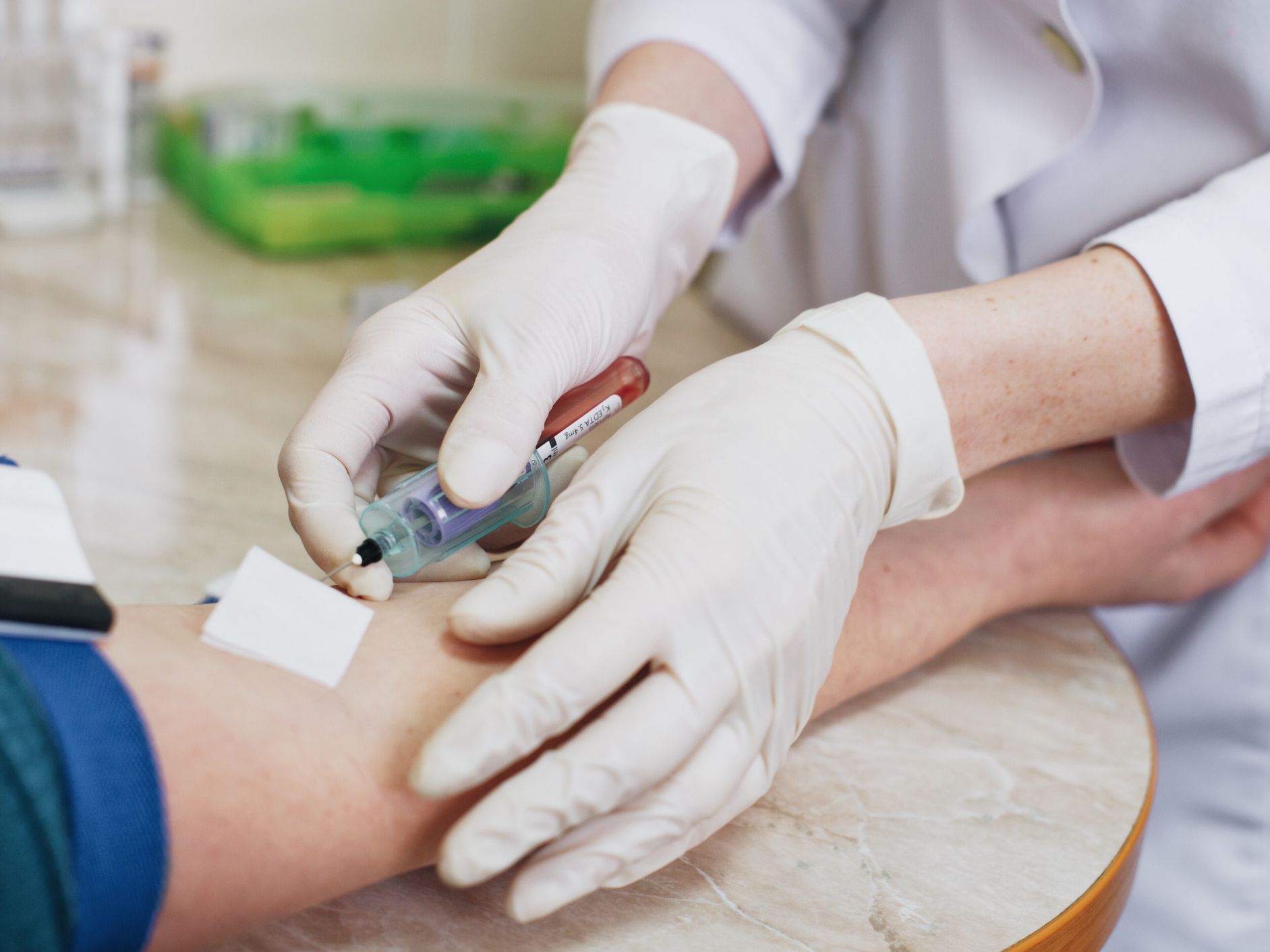
Vitamin D testing is available at Oceania Hospitals. There has been no study done in the Fijian population regarding the prevalence of Vitamin D deficiency.
Oceania Hospitals has been testing for the vitamin D from last five years and it is indicated that most of the patients results fall in the vitamin D deficiency range.
- Rajeshni Mala is team leader Pathology at Oceania Hospitals Pte Ltd. The views expressed are the author’s and do not reflect the views of this newspaper.

