The United Nations Human Rights Office has raised serious concerns over proposed constitutional immunity provisions that could extend protection to additional State officials and potentially cover actions taken up to 2031.
The Office of the United Nations High Commissioner for Human Rights (OHCHR) questioned the justification for retaining and expanding immunity provisions under a constitutional reform process initiated by a democratically elected government.
OHCHR said both Fiji’s existing Constitution and the proposed replacement contained provisions inconsistent with the country’s obligations under international human rights treaties.
It emphasised that constitutional reform must be guided by human rights principles.
“OHCHR raised concerns about the proposed expansion of immunity to additional State officials, the justification for retaining immunity in a proposal initiated by a democratically elected government, and the potential extension of immunity from the period between 2006 and 2014 to the period between 2006 and 2031,” UN Human Rights Pacific said in a statement.
The organisation warned that proposed Section 207 could undermine accountability for human rights violations by entrenching immunity and restricting access to legal remedies.
“Proposed Section 207 entrenches immunity, restricts judicial review and prevents State compensation for covered harm, potentially denying victims of human rights violations access to justice and accountability.”
OHCHR said these provisions raised concerns about Fiji’s obligations under international human rights law, particularly the requirement to provide effective remedies to victims of violations committed by people acting in an official capacity.
It referred to Article 2(3) of the International Covenant on Civil and Political Rights, which requires countries to ensure effective remedies for human rights violations.
The organisation also highlighted Fiji’s obligations under the Convention against Torture.
Articles 12, 13 and 14 of the convention require prompt and impartial investigations into allegations of torture, accessible complaints procedures, protection for complainants and enforceable rights to redress, including fair and adequate compensation.
OHCHR said Fiji had previously received recommendations concerning constitutional immunity from United Nations human rights mechanisms, including the Committee on the Elimination of Discrimination against Women and the Human Rights Council’s Universal Periodic Review process.
The organisation explained that limited time for oral presentations meant its contribution to the public consultations focused primarily on immunity provisions.
Other human rights concerns arising from the proposed constitutional changes will be addressed in a separate written submission.
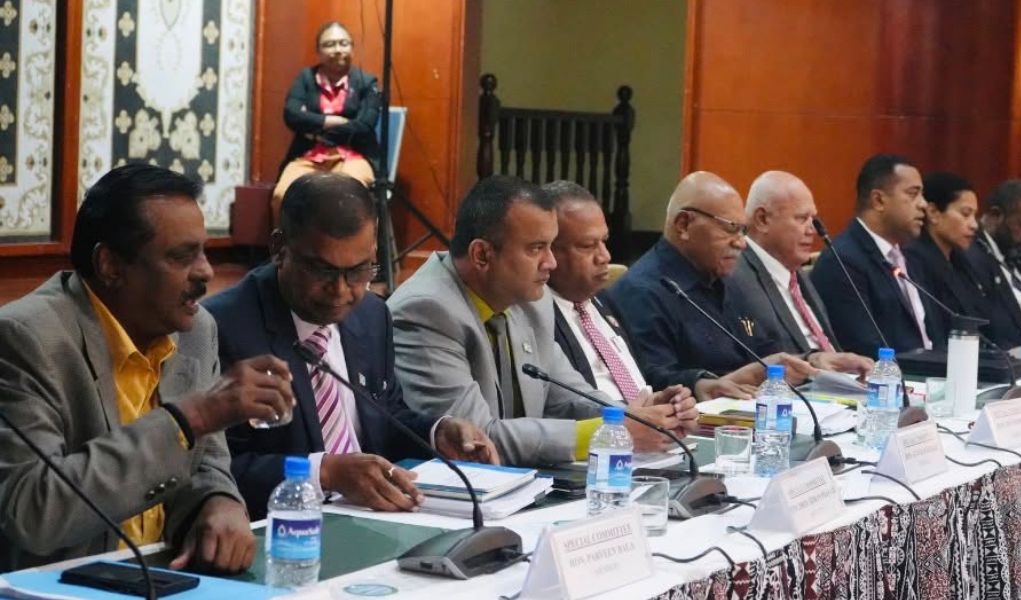
The intervention adds to concerns raised during the constitutional consultation process about whether immunity provisions should be retained, expanded or removed.
OHCHR maintained that Fiji’s constitutional reform process must uphold the country’s international human rights commitments and protect victims’ rights to justice, accountability and effective remedies.