WITH the deadline for public submissions on the proposed Sigatoka Iron Sands Project just days away (October 30), those who have a vested interest in its rejection or approval have voiced their opinion over the past few weeks.
The proposed $50million project — by Australian mining company Dome Gold Mines Ltd through its Fijian subsidiary Magma Mines Pte Ltd — if approved could result in the mining of a high grade ore used for steel and iron production called magnetite and the subsequent development minerals of gravel and sand.
And in its more than 400-page Environment Impact Assessment report by Smith Geoscience, Magma Mines Pte Ltd (MMPL) is proposing to mine the huge volume of magnetite found through its scientific research which began in 2009.
The proposed project, however, has been met with a growing opposition from landowners, residents and supporters that include government officials and political party candidates.
At the heart of the opposition’s argument is the Sigatoka Sand Dunes National Park — a site that has received global recognition for its historical significance and a recognised national heritage protected by local and international laws.
Club Masa
Situated on the west bank of the Sigatoka River mouth is a portion of freehold land where former surfing resort, Club Masa, was located and is where MMPL is proposing to build its processing plant.
Club Masa falls within the 2522 hectares of MMPL’s area of work and where a special prospecting licence (SPL) 1495 issued by the Mineral Resources Department in 2009 allowed the company to conduct its search for minerals. This SPL was renewed earlier this year and remains valid until November 2028.
According to the EIA report, the freehold land is registered to a Kulukulu family estate and a United States citizen.
It says Club Masa’s above and below water table deposits have an indicated resource of 34 million tonnes with an average heavy mineral (HM) content of 19.7 per cent with an additional inferred resource of 610,000 tonnes containing 48.4 per cent HM.
The project if approved could come in four stages. The first stage is the dry mining component where MMPL intends to remove a significant volume of dredged spoil that was deposited near the mouth of the Sigatoka River by a previous contractor hired by the State between 2016 and 2018 to undertake dredging works.
These two projects were the subject of immense scrutiny in 2020 when the contractors worked out of the scope of a 2014 EIA report by dumping spoils onto land owned by unconsenting landowners. The result was heavily salinised land, destroyed vegetation and an eroding riverbank – which subsequently received prominent coverage by this newspaper.
The proposed final two stages could see a ramp up of the mining operations and the focus turning to mining the Sigatoka riverbed and the native owned Koroua Island.
The ramp up could witness large shipping containers and barges entering the river mouth carrying magnetite for Australia and China.
Of note, the report says operations for Stages 1 to 3, mining on Koroua Island is subject to the MMPL’s financial viability at the time.
These four stages are expected to span over 15 to 20 years with a mining life that could go beyond 20 years.
The dunes, national park and river
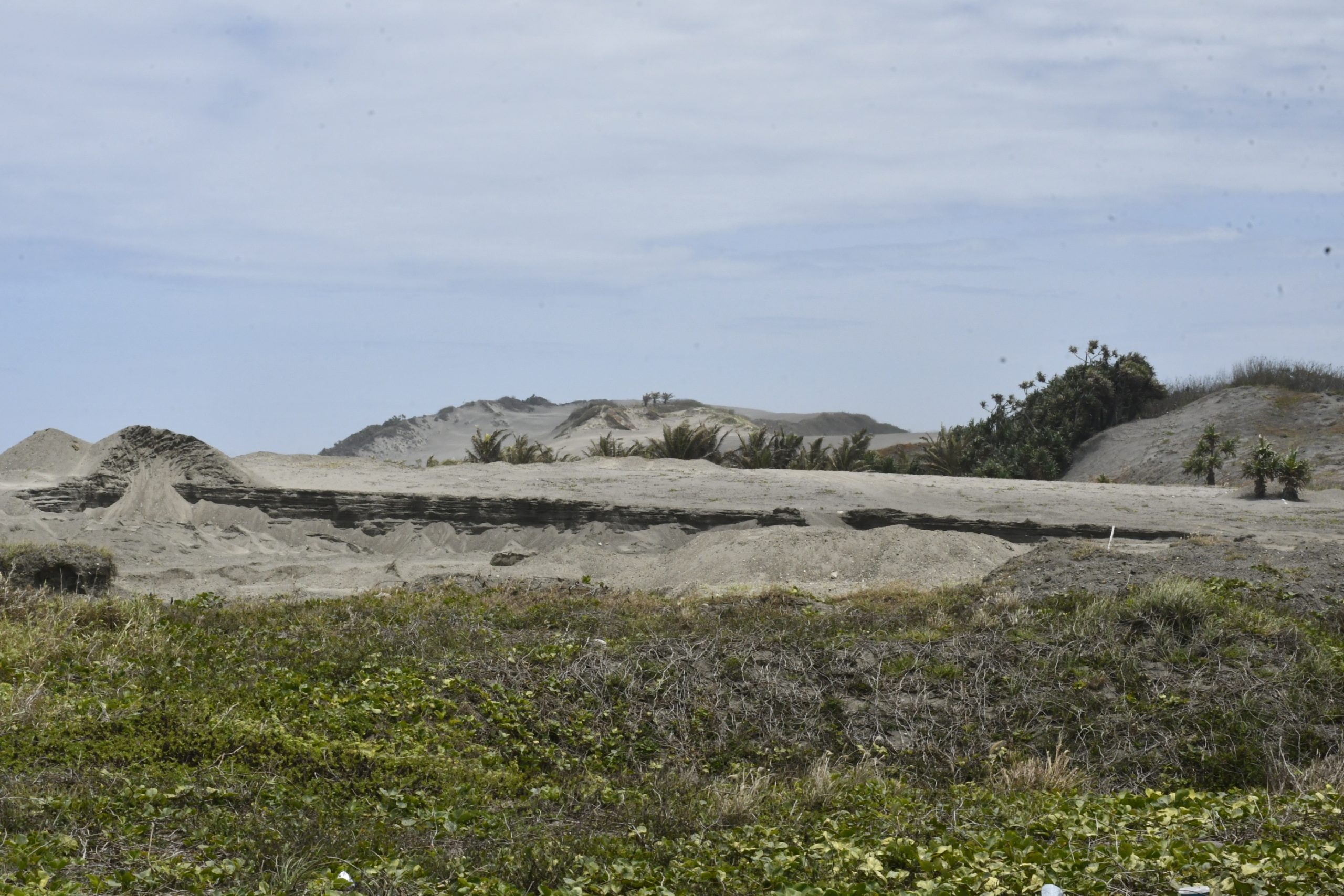
Right next to the proposed site is the edge of the Sigatoka Sand Dunes National Park.
The dunes span more than 650 acres while the interconnected national park features native tree species that are home to more than 37 species of bird, eight of which are endemic to Fiji and a variety of animal species.
But most significant is the archaeological history of the site where an ancient burial site and shards of Lapita pottery have been discovered.
This is where the most vocal of opposition have drawn their arguments.
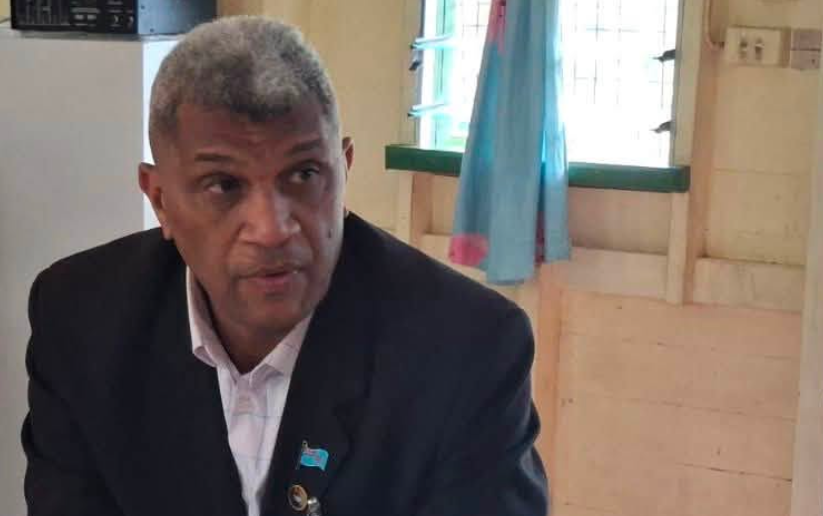
Sigatoka resident Robert Kennedy, in his submission to the Ministry of Environment, called for an independent assessment of the environmental, cumulative and community impacts.
“The proposed mining raises serious concerns about sediment movement, coastal erosion, flooding, marine ecosystems and the long-term stability of the dunes which are of national environmental and archaeological importance,” he said.
“Affected communities have repeatedly raised concerns about environmental damage, traditional fishing grounds and ancestral burial sites and inadequate consultation.”
The EIA report also highlights the riverbed mining’s impact on the freshwater mussel (kai) population. An issue that could have drastic impact on the women of the Nasigatoka and Conua districts.
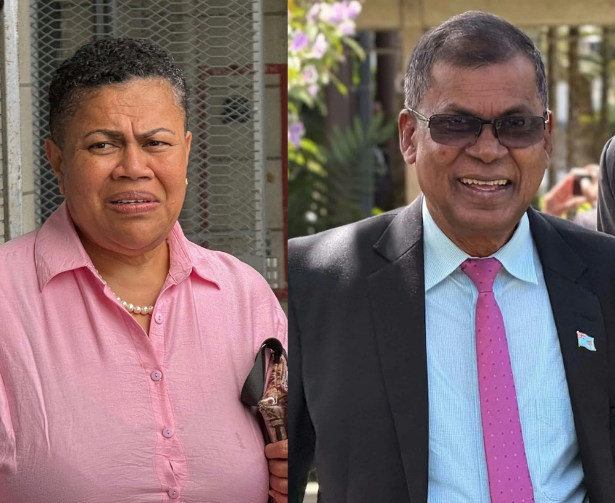
Naroro villager Marica Raluvu said the project could strip away their last remaining source of income.
“For a while now, it’s been difficult for us to dive for kai,” said Ms Raluvu.
“What used to take us one hour to get is now taking us three hours. If this project comes, we don’t know if we will still be able to find enough to sell.”
Nasigatoka spokesman Joeli Kunaturaga said their livelihoods and ancestral connections was at stake.
“We don’t want money and we don’t want dredging on our Sigatoka River,” he said.
MMPL
In its response to this newspaper, MMPL maintains that its proposed mining operations will include a very wide buffer zone that will be excluded from the mining activity in the conceptual mining plan and the pack will not be impacted in any way.
“The current focus of the mining plan is on the freehold estates,” the company said in a statement.
“Magma Mines remains open to communication to mitigate and resolve issues arising from any reasonable objections.
“The company has held multiple public meetings over the past several years with all the required landowners in the immediate area.
“It believes that any supposed opposition has only emerged recently when after government through the Ministry of Waterways and Agriculture announced a plan to undertake flood mitigation action by dredging the sediment build up in the Sigatoka River to prevent damaging flooding events around Sigatoka Town and up the river where agricultural land is often damaged.”
The company also revealed its projected investment in the development.
“The forward plan will see investment of a further $40 to $50million assuming the project advances to production.
“It is important to understand that the exploration stage, an exploration company does not generate any revenue and relies totally on investor support until a mine has been established.”
Government
The Ministry of Environment and Climate Change has reiterated its call for processes to be followed.
A ministry statement said as of October 20 only seven electronic submissions were received while attendance at the four designated public viewing locations has been relatively low.
“Given the significant public interest surrounding the proposal, the ministry encourages members of the public, community groups, civil society organisations and other stakeholders to make use of the remaining period to review the EIA report and provide written submissions.
“The ministry also reiterates that the submission of an EIA report does not constitute approval of the project.”
Minister for Lands and Mineral Resources Filimoni Vosarogo added only an SPL has been issued to Magma Mines.
“There is no extraction at the moment,” he said.
The public is encouraged to send submissions to doewest8@gmail.com.