
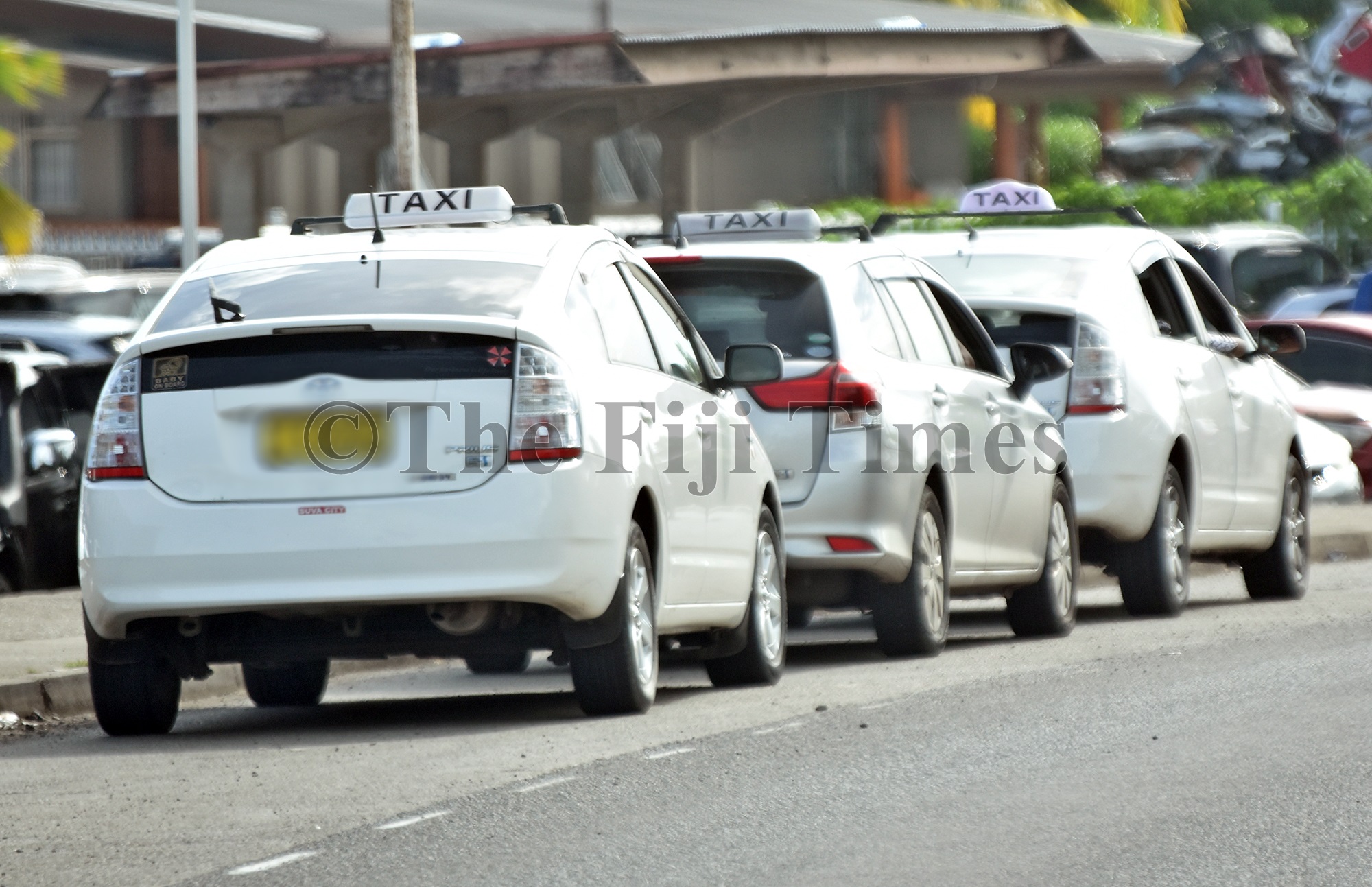
Another call by taxi operators for fare increase raises serious concerns about affordability, especially when bus fares increases have been subsidised by government and many are struggling with the rising cost of living.
The ordinary taxi distance charge increased from 10 cents to 14 cents per 100 metres, an extra 40 cents per kilometre.
The latest taxi fare increase in Fiji was approved by the Fijian Competition and Consumer Commission (FCCC) and took effect on July 1, 2026.
This temporary increase raised the distance-based charge by 40 per cent to help taxi operators manage higher fuel costs.
This increase has now been extended until March 2027.
The flag fall remains at $2 during the day and $3 at night, with waiting charges at 18 cents per minute.
Taxi fares have increased by around $3.50 for many routes.
For commuters, this is a significant amount of money, especially when transport is an everyday necessity.
Consider a trip from Butt St to Nadera. What used to cost around $14 now costs $17.50.
That’s quite a significant increase.
I spoke to several colleagues about their budget for taxis and Lo, who used to travel from Suva to Tacirua paying $11, now forks out $14 to $15.
Over five-days, the cost places considerable pressure on her budget.
Vina has stopped catching taxis to or from work because paying $17 each way is simply too expensive.
Her experience reflects the difficult choices many commuters make as taxi costs have increased.
These examples illustrate why another proposed increase is causing panic already.
For many the issue is not whether taxi drivers deserve to earn a reasonable income.
It is whether ordinary people can afford it when their own incomes are not keeping pace.
Taxi operators argue they face genuine business costs, fuel, vehicle maintenance, tyres, insurance and other expenses. But commuters too have bills to pay, families to support and limited money to spend. Any decision about fares therefore must recognise the financial pressure on commuters that sit for long hours in uncomfortable positions due to traffic or poor seat structures. These buses provide a more affordable transport option for many but may not always be available to offer convenient access like taxis.
Some rely on taxis because of work schedules, locations or other practical reasons.
For them, avoiding higher fares is not a simple matter.
Repeated increases in transport costs affect household spending in other areas as it means less cash for healthy groceries, bills, school expenses, rent and other obligations. Everyone from workers, pensioners, students and low-income families are feeling the pinch from the fuel crisis and rising costs of living.
Before considering another increase, authorities should carefully examine the operating costs claimed by taxi operators and also look at the income of workers.
They should consider the consequences on commuters already paying more for everything.
There should be greater consideration for reliable bus services, with practical ways to support transport operators without transferring additional costs onto passengers. Ultimately, this is a question of balance.
Taxi drivers want fair compensation, but commuters too should pay fares they can afford.
The financial pressures facing operators should not overshadow the difficulties experienced by the people who depend on their services.
When a journey from Butt St to Nadera costs $17.50 and a trip from Suva to Tacirua increases from $11 to $14.50 then the impact is real.
Vina’s decision to cut back on taxis demonstrates that some passengers are already changing their habits because of rising costs of living.
With bus fares remaining unchanged, calls for another taxi fare increase should be approached with caution.
Maybe Government can also subsidise the taxi industry.
Getting to work and returning home should not be a financial struggle.
Plan your travel well and carpool to share the costs of fares.
This is all part of spending wisely. Save some cash for the rainy days and keep safe everyone in these trying economic times.