
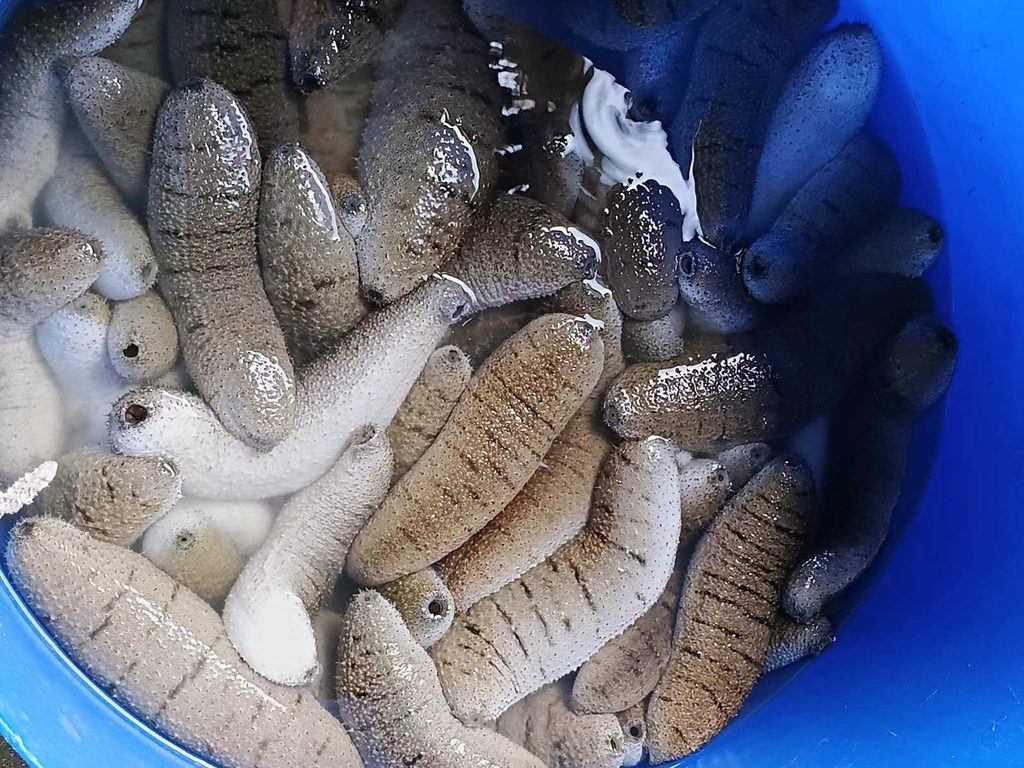
Bula vinaka everyone, Let’s be honest. When we head to the fish market on Saturdays, most of us are looking for fresh fish, prawns, crabs or maybe a string of mana if the budget allows.
Sea cucumbers probably don’t even cross our minds unless you are specifically out to fetch it.
Yet these odd-looking creatures, known locally as dairo, are among Fiji’s most valuable marine resources.
They support thousands of livelihoods, bring in valuable export earnings and quietly help keep our reefs healthy.
That’s why the Ministry of Fisheries’ announcement on the 2026-2027 beche-de-mer harvesting season is worth paying attention to.
The season opens on August 1 and runs until January 31 next year, allowing licensed fishers to harvest approved sea cucumber species. But one species remains completely protected, dairo, or sandfish (Holothuria scabra).
Did you know that it cannot be harvested, processed, bought, sold, exported or traded. Some people may wonder why. The answer is simple. We’ve taken too much for too long. Beche-de-mer has become one of Fiji’s most valuable fisheries exports. Once sea cucumbers are processed and dried, they are shipped mainly to Asian markets, where they fetch premium prices. For many families living in coastal and maritime communities, that income is significant.
It helps pay school fees, repair homes, cover medical expenses and meet everyday household costs. In villages where jobs are scarce, the sea provides an important source of income. But no resource can last forever if it is harvested faster than nature can replace it.
Over the years, heavy demand has reduced sea cucumber populations across Fiji and the Pacific. Sandfish has been one of the hardest-hit species because of its high value. Marine scientists say it is also one of the slowest species to recover.
When breeding adults are removed, there are fewer animals left to reproduce, making it much harder for populations to rebuild. Protecting dairo today is about ensuring there will still be a fishery tomorrow.
What many people don’t realise is that sea cucumbers are also hardworking caretakers of the ocean. Scientists often compare them to earthworms in a vegetable garden.
They feed on organic matter lying on the seabed, recycle nutrients and naturally turn over the sediment, helping keep marine ecosystems healthy. That, in turn, supports healthy coral reefs, fish stocks and other marine life that many coastal communities depend on.
Healthy reefs are also good for tourism. Every year, thousands of visitors travel to Fiji to experience our spectacular marine environment.
Looking after species like dairo helps protect that natural asset too. The Ministry of Fisheries has reminded fishers that only approved species may be harvested during the open season. Licensing requirements, size limits and other management rules remain in place, while juvenile and protected species must be left alone. These measures are not there to stop people from earning a living.
They are there to make sure the resource survives for future generations. As shoppers and consumers, we also have a part to play. If you buy or trade beche-de-mer, make sure it comes from legal and sustainable sources. Don’t support anyone selling protected species or encouraging illegal harvesting.
The Ministry is encouraging members of the public to report illegal harvesting and trading activities. Protecting Fiji’s marine resources cannot be left to fisheries officers alone. Communities are often the first to notice when something isn’t right.
Our oceans continue to provide food, jobs and export earnings while supporting one of Fiji’s biggest industries, tourism. But these resources are not endless. Managing them wisely today means our children and grandchildren will continue to enjoy healthy reefs, thriving fisheries and sustainable livelihoods.
Sea cucumbers may never be the most popular seafood in the market, but they quietly perform one of the ocean’s most important jobs.
The next time you hear someone mention the beche-de-mer season, remember that protecting dairo is about striking the right balance between earning an income today and ensuring Fiji’s marine resources continue to provide for generations to come.
Sometimes, the smallest and least noticed creatures make the biggest difference.
Let’s be responsible shoppers and support the right things!




