
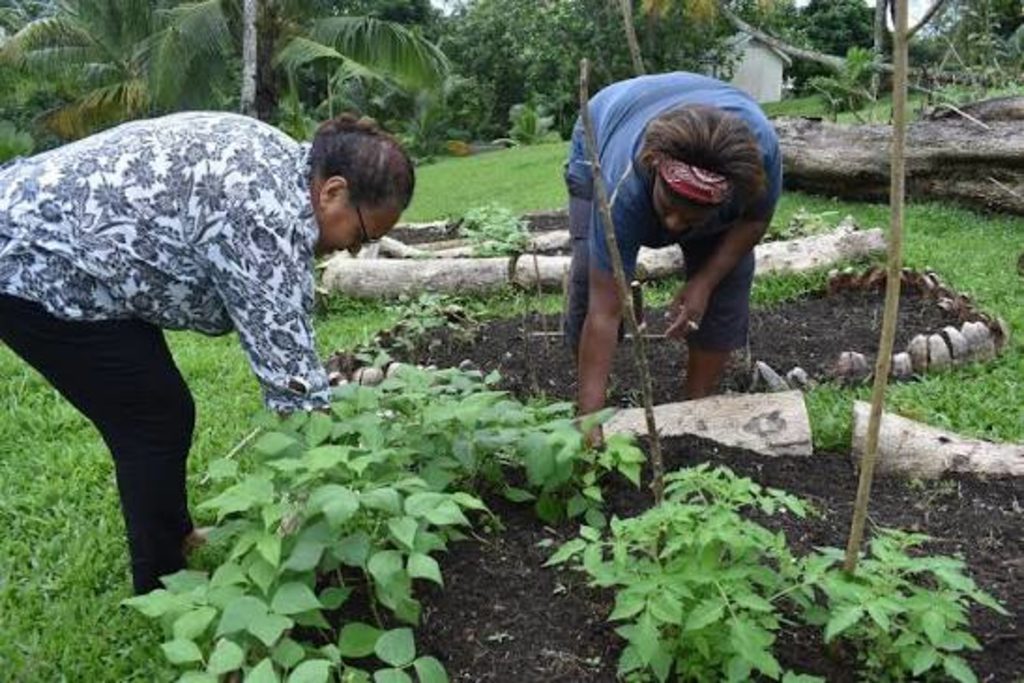
Bula Vinaka shoppers, Sometimes the smallest things can make the biggest difference. During my visits to the market days recently, I noticed several vendors selling seeds and seedlings.
There were kumquat seedlings, chilli plants, curry leaves, baigani, dhania, cucumber seeds and plenty more. It reminded me that there is really no excuse for anyone wanting to start a small backyard garden. Some seed packets cost as little as $1, making them one of the cheapest investments a family can make.
A handful of vegetable seeds may not seem like much. They fit neatly into a small packet, yet in the right hands they can feed a family, reduce the weekly grocery bill and even provide a little extra income if extras are sold.
That is why this week’s donation of seeds worth $10,000 by UN Women to the Ministry of Agriculture, deserves attention. The seeds will support home gardening initiatives aimed at strengthening household food security and building community resilience across Fiji.
It may appear to be a modest donation, but it carries a much bigger message about self-reliance and the importance of growing some of the food we eat.
At the handover ceremony in Raiwaqa, Permanent Secretary for Agriculture Dr Andrew Tukana said the initiative was about more than simply providing planting materials.
“It is about nurturing resilience, strengthening self-reliance and cultivating hope for many households,” he said.
His message could not be timelier. Over the past few years, Fijians have faced one challenge after another.
The pandemic disrupted livelihoods, cyclones and floods damaged farms and homes, while rising global prices pushed up the cost of food, fuel and everyday essentials.
Many families continue to feel the strain every time they shop for groceries. Growing food at home offers a practical way to ease that burden.
A few rows of tomatoes, beans, cabbage, pumpkins, eggplant, bele or rourou can supplement family meals, cut shopping costs and provide fresh, nutritious food right outside the back door.
For many of our parents and grandparents, this was simply a way of life. Families grew tavioka, dalo, vegetables and fruit because that was how households fed themselves.
Buying every meal from the supermarket was never the norm.
UN Women Fiji Multi-Country Office representative Alison Miriam Davidian reminded us of that tradition when she said growing food at home had been passed down through generations of families living close to the land.
Perhaps it is a tradition worth embracing again. Modern lifestyles have made many of us increasingly dependent on supermarkets and imported food.
Yet Fiji is blessed with fertile land, a favourable climate and generations of farming knowledge.
Reconnecting with those strengths makes economic sense and builds healthier communities.
Home gardens also prepare us for difficult times.
After cyclones or severe flooding, families with established gardens often recover faster because they already have access to fresh produce while supply chains are being restored.
The seed funding, made possible through the Markets for Change programme with support from Australia, is a reminder that partnerships can help communities become more resilient.
But the real measure of success will not be the number of seed packets distributed. It will be the gardens that flourish, the children who eat healthier meals, the families who save money on groceries and the communities that become more self-sufficient.
Sustainable agriculture is about growing crops, ensuring families have food on the table, helping people become more self-reliant and protecting the land that future generations will inherit.
As Fiji continues to face the impacts of climate change, from stronger storms to coastal erosion, building resilience is no longer a choice.
Every home garden, every fruit tree planted and every sustainable farming practice is an investment in our future.
The choices we make today will shape the Fiji we leave behind. By growing even, a small portion of our own food, we are doing more than filling our plates.
We are building stronger, healthier and more resilient communities. Perhaps it all starts with a simple packet of seeds.




