In our previous article, we saw that sugar and sweeteners should not be given to children until age two for several reasons, including because supporting their growth requires a regular intake of nutrient-rich foods instead, and because of the need to educate them to appreciate less sweet, more natural flavours – something that will shape their taste for the rest of their lives.
Also, recent research is uncovering some more surprising possible benefits of low sugar consumption during infancy, such as a possible reduced risk of dental issues, NCDs like hypertension and diabetes, and also mental illnesses including anxiety and depression, and cognitive decline.
Giving your children a healthy, low-sugar start could therefore be more important than you realise to help them stay in good health later in life.
What types of sugar should be avoided?
When we talk about avoiding or limiting sugar, we talk about added sugar and all sweeteners, including honey, molasses, syrups (even the high-quality ones like pure maple or agave syrup), glucose, fructose and more. On the other hand, healthy, naturally sweet foods like fruit and dried fruits should not be limited, as long as the child is also regularly exposed to a variety of flavours, including savoury and even bitter (like leafy greens) or tart (like citrus fruit).
The hidden threat of honey
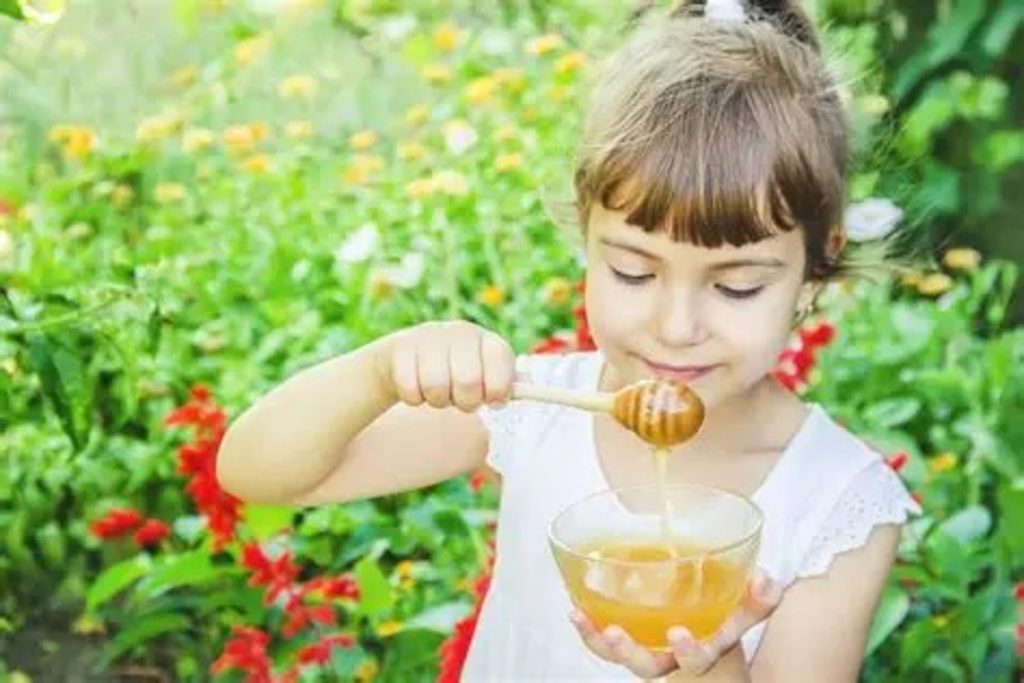
Among all sweeteners, honey deserves a special mention, as it should be completely avoided at least until the age of one.
Babies, in fact, are at high risk of a rare but potentially life-threatening condition called infant botulism, which is caused by a toxin from the Clostridium botulinum bacteria.
Honey can be contaminated with these bacteria, and babies are more exposed to serious consequences due to their immature digestive and immune systems.
The symptoms of infant botulism can start anytime between three and 30 days after exposure and usually start with constipation, but can also include a lack of appetite, a weak cry, and trouble swallowing, as well as breathing problems or weak muscles (including, for example, the inability to make facial expressions).
If your child experiences these symptoms, you should seek immediate medical attention.
The issue is not only giving a spoonful of honey; baked goods containing honey are not considered safe either, as the dangerous botulinum spores can usually survive cooking.
When buying store-bought food, it is therefore important to verify the list of ingredients first, especially for baked goods, granola or morning cereals like flavoured porridge, energy bars or balls, or industrial sauces and condiments.
It’s not worth risking the health of your child, and honey should definitely not be introduced before the age of one – or even later, considering that young children should eat very low to no
sugar at all.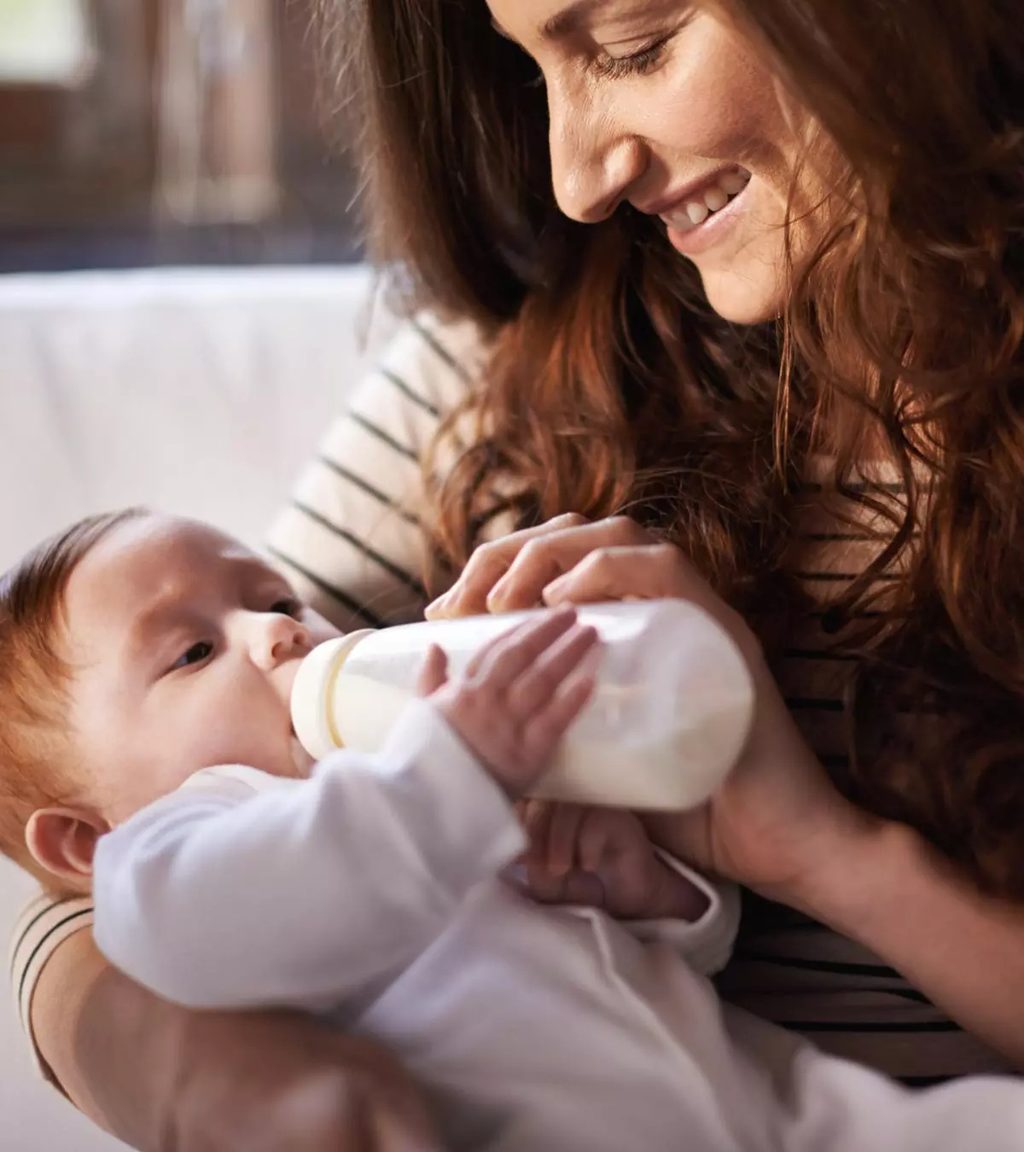
Babies need milk, not honey. Picture:
WWW.MOMJUNCTION.COM