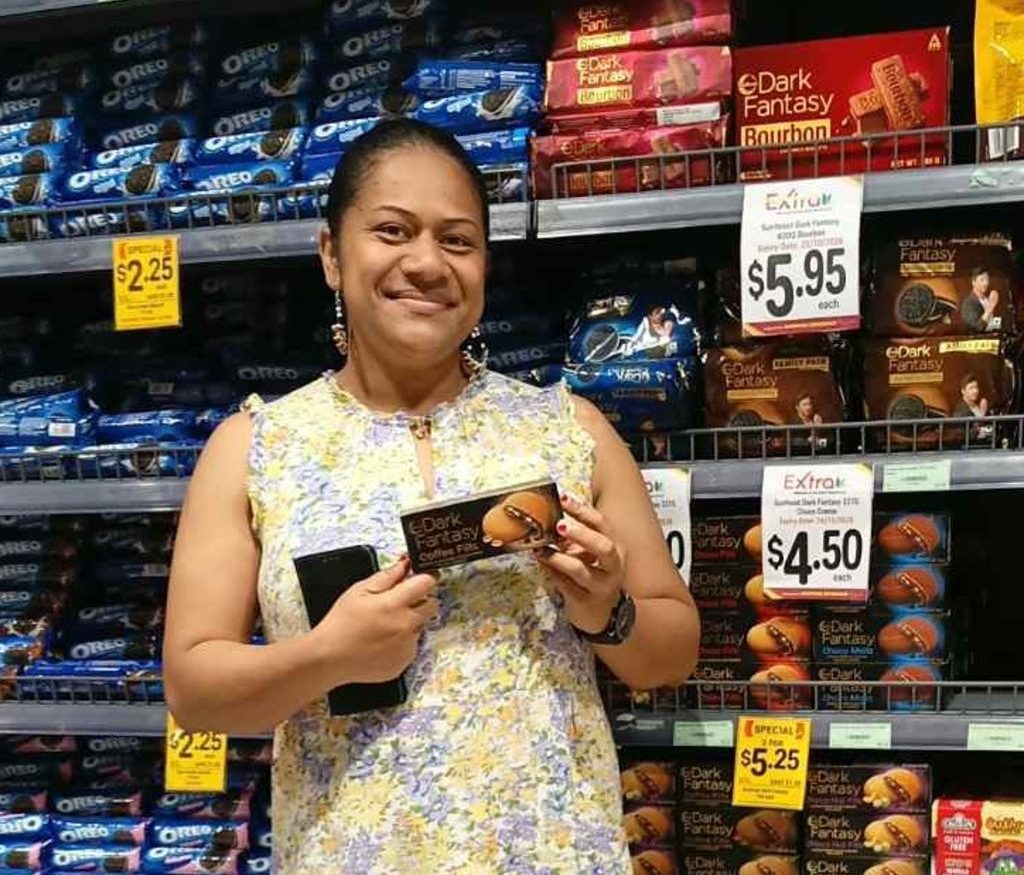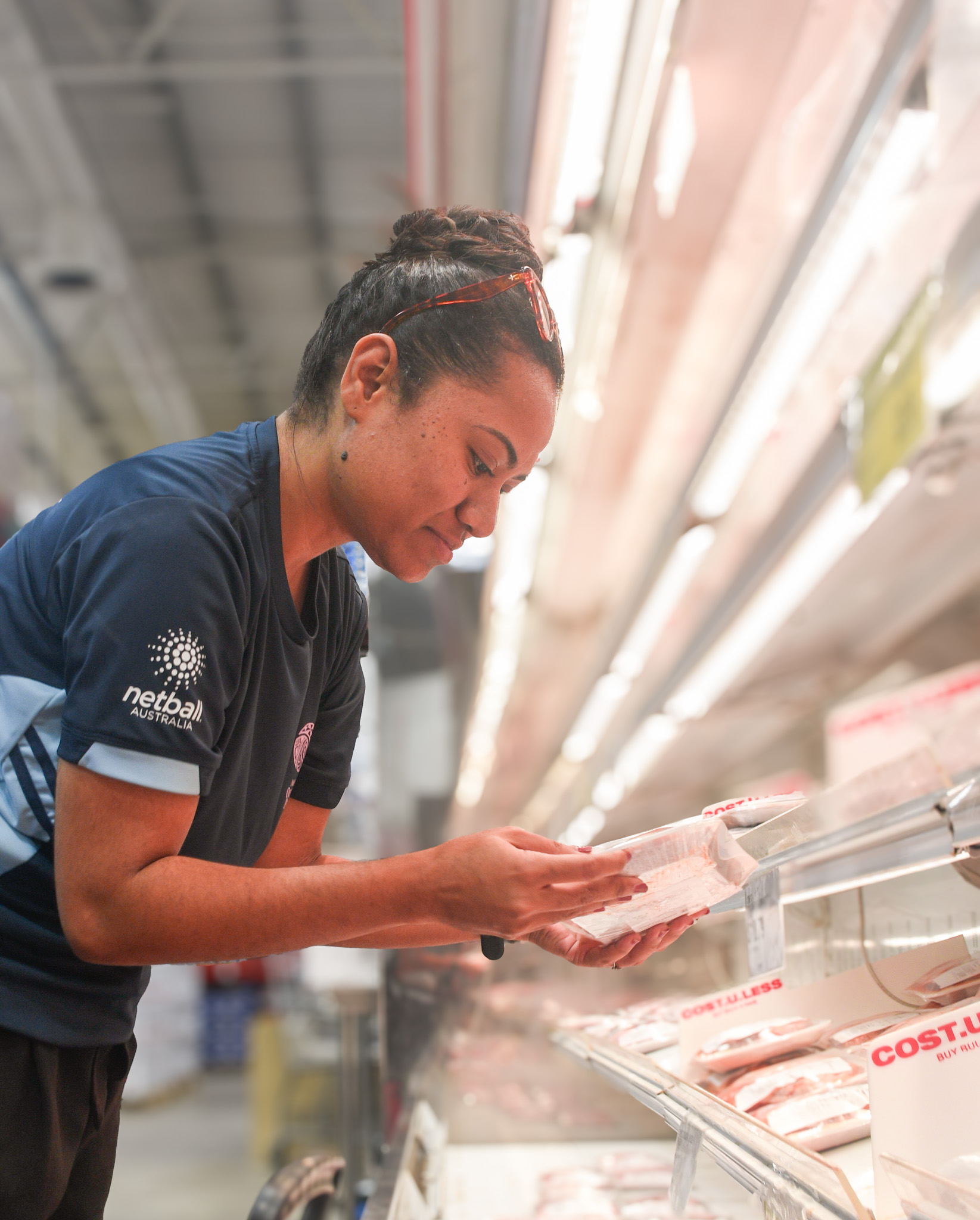
Every item in her trolley has a purpose, shaped by careful planning, changing food habits and a tight family budget.
The Tacirua resident lives with her husband, two-year-old daughter and younger brother, and also shops for her father’s family.
Originally from Rakiraki and Yale, Kadavu, and a vasu to Mavana, Vanuabalavu, Ms Waqanivavalagi works as the Communications and Marketing manager for Netball Fiji and is also a sports contributor for ABC Pacific.
With a busy work schedule and a young family, shopping is something she prefers to plan rather than leave to chance.
The family does its main grocery shopping once every two weeks, with smaller top-up trips when necessary.
“A shopping list is a must for us. We try not to shop without one because it helps us avoid overspending. It also means we can plan properly, buy what we need for the fortnight and reduce unnecessary trips to the supermarket, which also helps us save on fuel. We draw up a weekly menu for lunch and dinner, so this keeps us on a strict shopping budget.”
The list goes hand-in-hand with a weekly lunch and dinner menu, helping the family avoid unnecessary purchases and reduce trips to the supermarket.
They try to work with about $300 every fortnight for groceries, although rising prices have made that increasingly challenging.
“It has changed both the way we shop and the way we eat.”
The family now buys more vegetables and has reduced how often the family eats meat, sometimes having meat only once or twice a week.
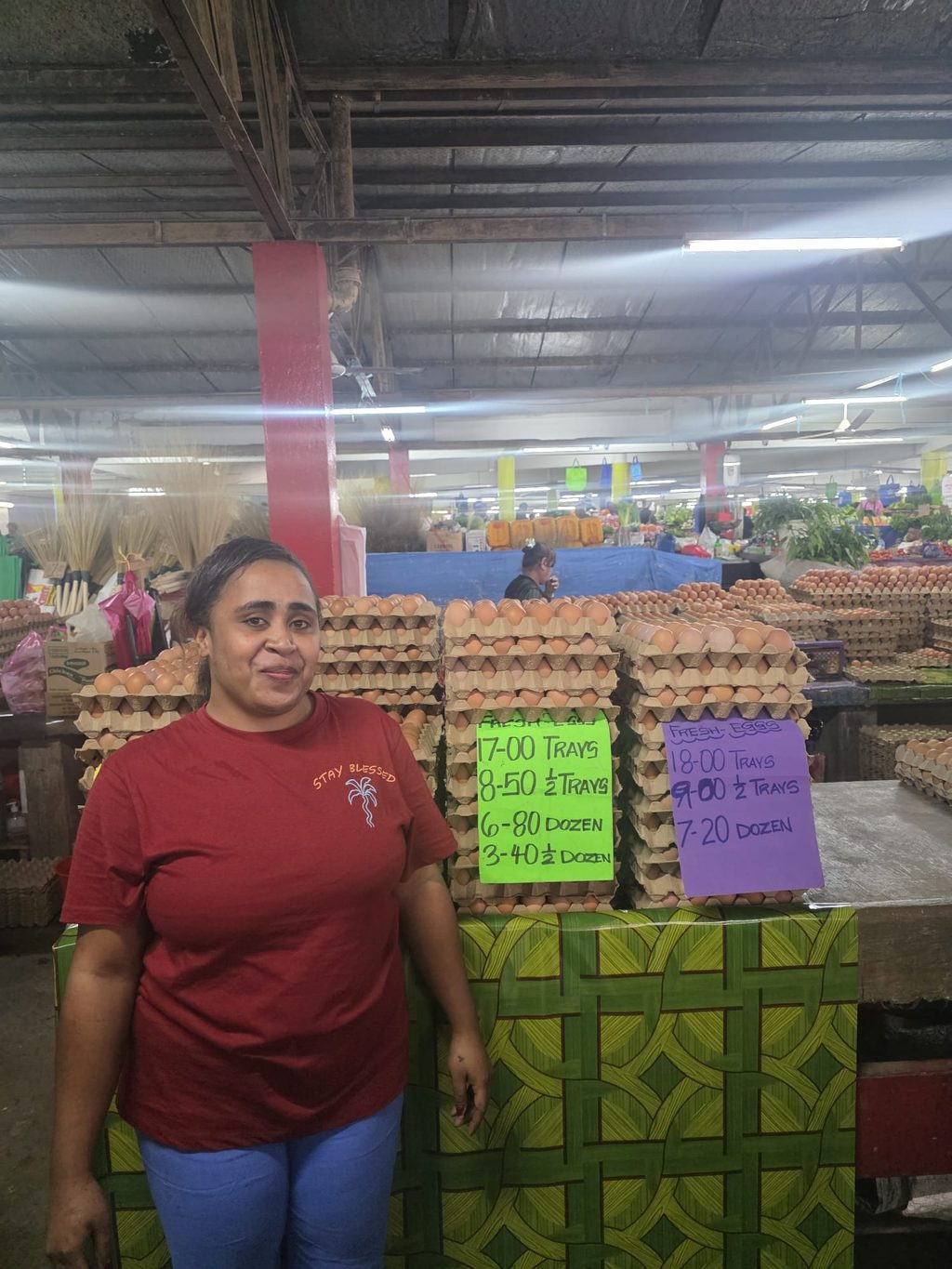
Local markets have also become part of their strategy, particularly when locally grown vegetables offer better value.
Her shopping stops include Extra Supermarket in Laucala Beach and Flagstaff, Cost-U-Less for discounted or bulk items, and RB Patel when particular products are available at good prices.
One bargain that stands out was a 700ml bottle of virgin oil she bought for $10 at Cost-U-Less last year.
The family is still using it.
“For me, I enjoy finding good deals.”
Before anything goes into her trolley, she considers the price, expiry date, quality, whether the family needs it and how long it will last.
Bottled water has also become a regular expense after the family began experiencing problems with tap water.
As for Ms Waqanivavalagi, smart shopping is not simply about finding the cheapest item.
It is about knowing what the family needs, comparing prices and making food and money stretch further.
And while she enjoys shopping with her daughter, she admits taking a two-year-old along can make the experience interesting.
“Shopping has become much more about planning and making careful choices than it used to be.”