TRANSPARENCY and Integrity Fiji (TIF) has challenged the Government to explain how Fiji will maintain a strong and independent anti-corruption system if FICAC is abolished under the proposed Constitution.
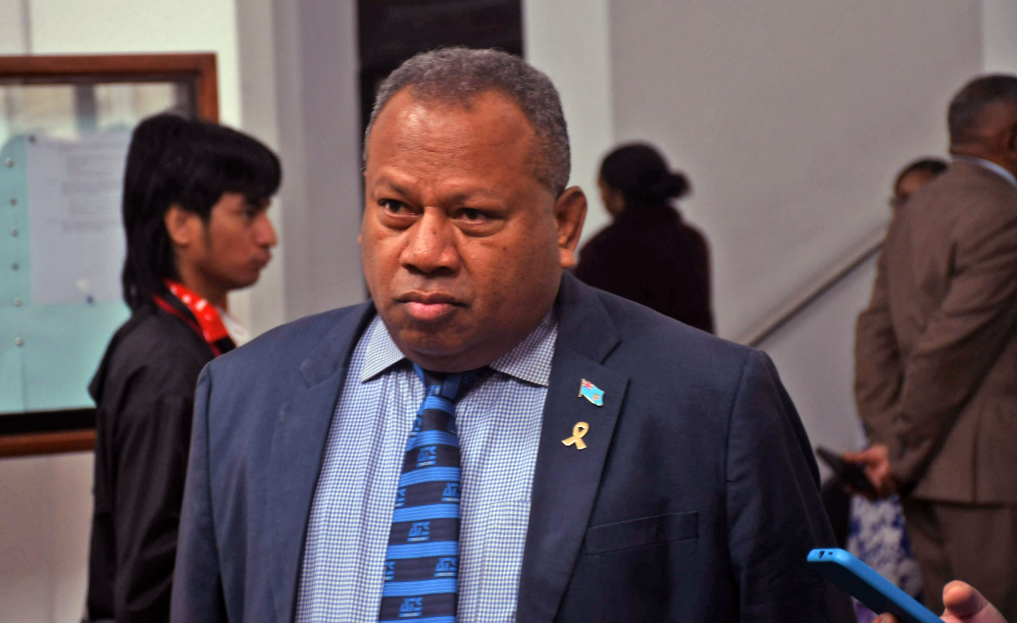
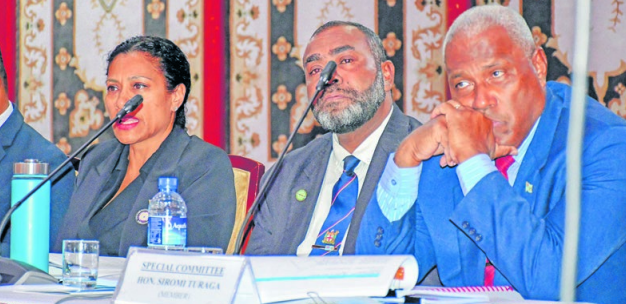
TIF acknowledged former acting attorney-general and justice minister Siromi Turaga’s clarification that corruption investigations would return to the Fiji Police Force, while prosecutions would be handled by the Office of the Director of Public Prosecutions.
However, TIF said the Government had failed to address its central concern — how specialised anti-corruption expertise would be maintained.
“The issue is not whether UNCAC requires Fiji to retain FICAC by name,” it said.
“The issue is whether Fiji will continue to have the specialised, independent, properly resourced and appropriately trained capacity required to investigate and prosecute corruption effectively.”
TIF said corruption and white-collar crime involved complex financial schemes, procurement fraud, money laundering, digital assets, corporate structures and forensic evidence requiring specialist skills.
It pointed to Article 36 of the United Nations Convention against Corruption, which requires specialised authorities or personnel with the necessary independence, resources and training.
“Therefore, if these responsibilities are to return to the police and DPP, Government must explain where the specialised anti-corruption capacity will sit within those institutions and how it will be protected and resourced.”
TIF questioned what would happen to FICAC’s investigators, expertise, ongoing investigations and institutional knowledge.
The organisation said the Government must provide a comprehensive plan covering specialist personnel, resources, independence safeguards, transitional arrangements and accountability mechanisms.
“The central question is simple: before FICAC is abolished, where is the plan for what replaces its specialised anti-corruption capacity?”