Right from the first day in school we learn about ticks and crosses. The tick is good because it means you have given the correct answer. But is this enough? Even with simple mathematical questions such as 1+1=2, there may be other questions that need to be asked for clarification. For example, the answer to one apple plus one orange is not a simple two. Questions are important. Our children should learn from an early age to ask questions. At a very young age children go through a stage of asking endless questions that tire mothers and carers. The questions do not get answered and children grow beyond this natural stage and learn not to ask questions. They should be encouraged to seek answers. Ask questions, seek answers, ask more questions. It is the way we can learn to think things through and not make hasty decisions.
Questions about a cashless society
This is all in my mind, as I keep pondering on the wisdom of our leaders. I am not the only one with questions about the end to cheques and the proposed cashless society. The future of money is raising many questions. We are not being given the answers. Some of us are wondering if we will have to go back to bartering while the economic world hurries on without us. Are wise decisions being made? Or are our leaders ticking the boxes and assuming all is well?
Questions about mining
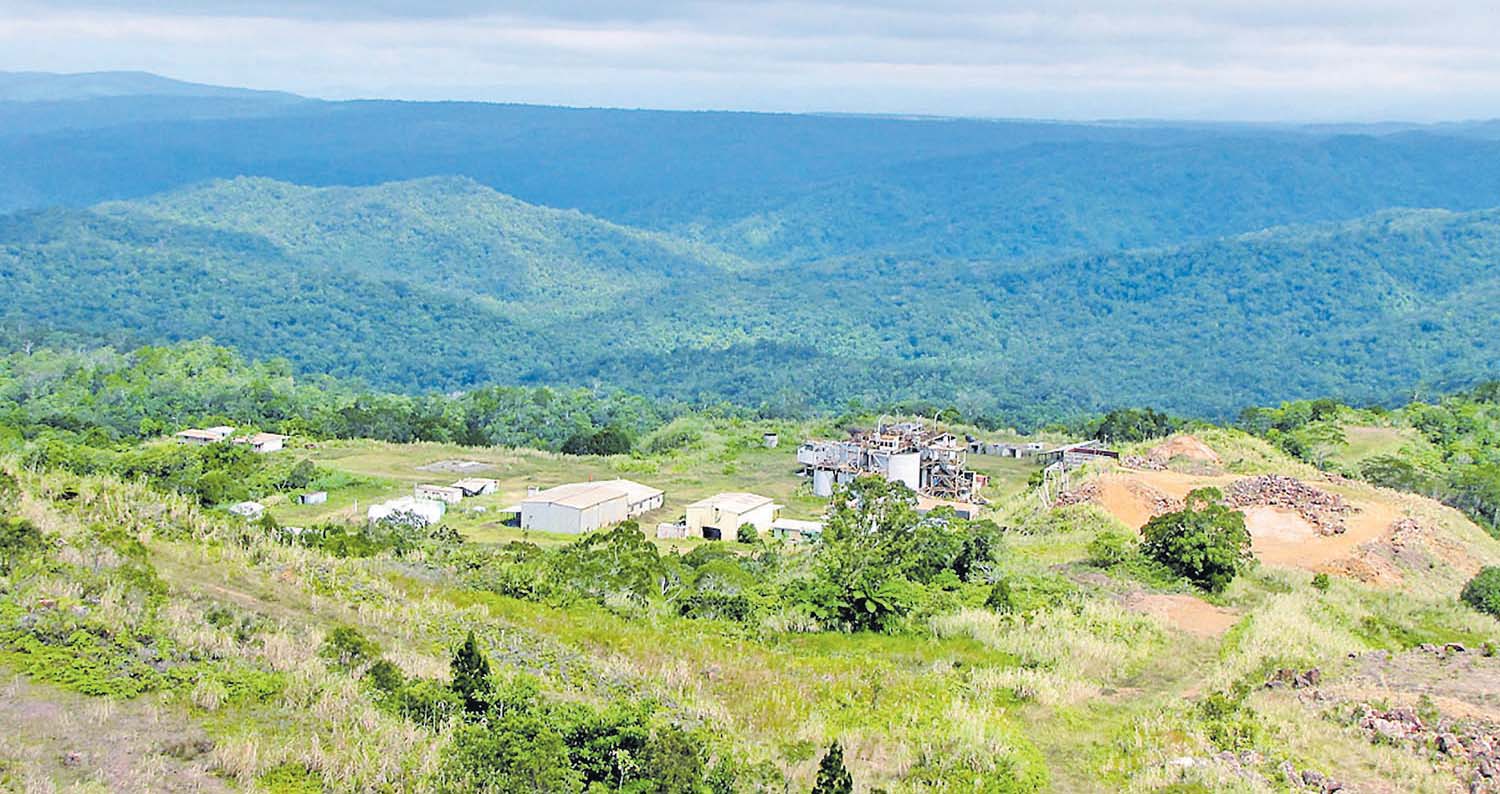
This is not the only area of current concern. I read in The Saturday Times last week (FT4/5) that, in relation to some landowners’ objections to the commencement of extractions works at Mt Kasi, the Minister for Lands and Mineral Resources Filimoni Vosarogo said “he was aware of the nature and the reasons of their objection”. He went on to explain that “We have to follow what is required of us at the statute” by which I presume he meant that there are boxes to be ticked in following the correct procedures before the permission is given for the extraction works to commence. Is “being aware of the nature and the reasons of the people’s objection” enough? Has the minister asked the questions? Does he understand the objectors point of view? Do the landowners have legitimate reasons for their objection? What about the environment?
Those of us sitting on the sideline, like myself, realise that mining is very important to the Government and that the minister is possibly under some pressure to get mining underway, because we know that the country desperately needs the money that mining could bring in to deal with the burden of our national debt. In addition to this we know, if we have asked the right questions, that we cannot have our mobile phones in our hands without copper and other minerals that mining companies seek. We also realise that there are usually legitimate reasons for objections to mining because of the inevitable adverse effects upon the environment. This environment is the landowners’ environment, their heritage, their food garden spaces, the creeks that are their water supplies. This environment is also Fiji’s future. Look at Papua New Guinea. Bougainville has been left a moonscape of devastation in some areas. Ask what has happened in other countries around the world. Are we thinking things through?
Is our education system providing our children with the right tools for life?
Our education system has long needed to give children the right and the space to ask questions. It is possible that some of the young people who are being caught up in the serious issues of trafficking and drug abuse do not even think to ask questions and get hooked in very easily.
When I came out of teachers’ college at the age of 21, I was allotted a class of new entrants to primary school. This was in UK where the children came into school as soon as they turned five years. As we had been encouraged in college, I made sure my classroom had a free atmosphere where questions of all kinds were welcomed and answers sought and discovered. We had daily discussions on everyday topics. This was the time of the first wave of migration of Jamaicans into the UK and here was one Jamaican girl in the class. One day we were discussing our breakfasts and this girl said “My mum burns the toast” Everyone laughed and one girl said “So that’s why you are black!”. It was all taken in good humour. Perhaps the emphasis on getting the right answer and totally up the ticks prevents us from enjoying some of the humour that life can allow us to share.
Questions and answers can lead to dialogue
When there is a lot of work to do, and pressure from various quarters, ticking the boxes is the easiest way. All of us, in all the decisions we are called to make in the home, or in the workplace, even in the supermarkets when we are faced with so many choices, it is important to ask the questions, to let the questions be heard and acknowledged, and the answers discussed and used as far as is practical. Asking the questions and seeking the answers, when shared, can lead to dialogue and open discussion of many of the issues that trouble us. We need proper dialogue to be able to reach agreement on the way forward. Dialogue can result in what may need to be a legitimate compromise in some cases, such as the disputes over mining, and the changes in our money system.
Never be afraid to ask, even if you feel it makes you look foolish. None of us knows all the answers. If we do not ask, we lose out in many ways. When we ask and seek answers, our life is enriched.
- TESSA MACKENZIE is a regular contributor to this newspaper. The views expressed are hers and do not necessarily reflect the views of this newspaper.