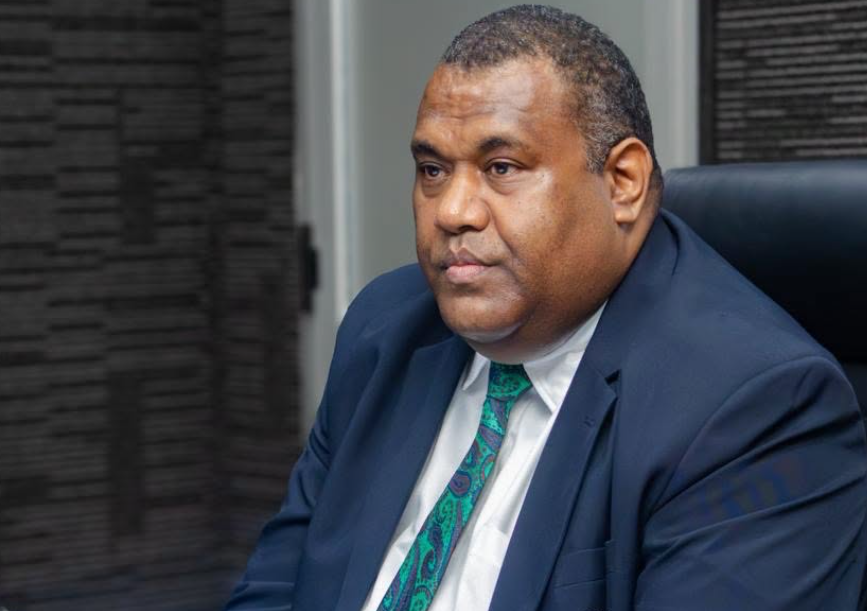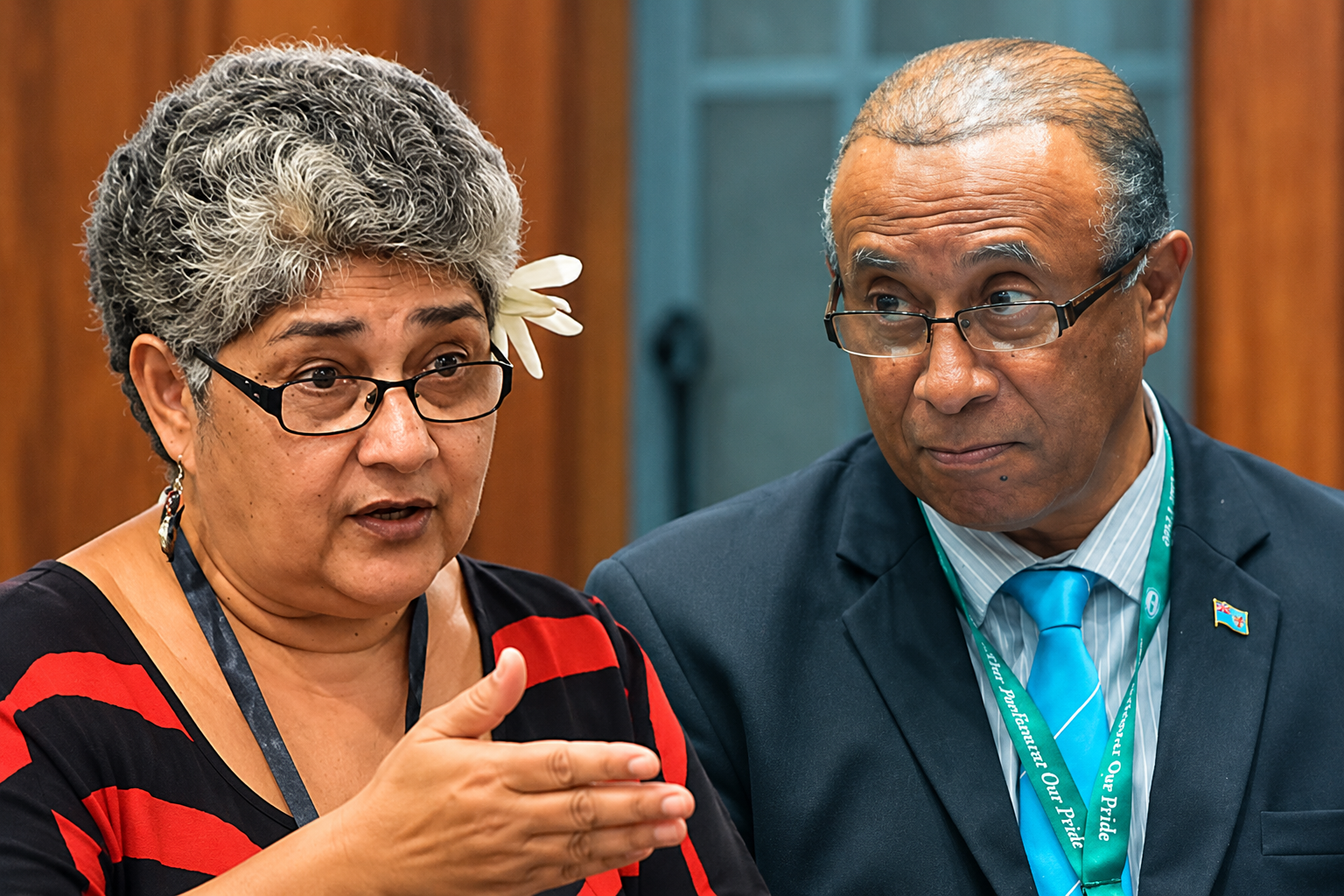
Fiji Women’s Crisis Centre Coordinator Shamima Ali has hit back at Minister Ro Filipe Tuisawau over his criticism of non-governmental organisations, questioning his authority to dictate the role of civil society groups in a democratic country.
The Centre expressed shock at what it described as Mr Tuisawau’s ignorance of the role and purpose of civil society organisations (CSOs) and NGOs in Fiji.
Ms Ali said civil society groups did not need to be members of political parties or hold seats in Parliament to question Government decisions and demand accountability.
“We do not need a seat in Parliament to have a say in the governance of our country,” she said.
“CSOs and NGOs do not need to run for office to shape policy; holding power to account is our job.
“We exist to check power, not chase it. A healthy democracy doesn’t ask CSOs and NGOs to become political parties, it relies on us to hold those in power accountable.”
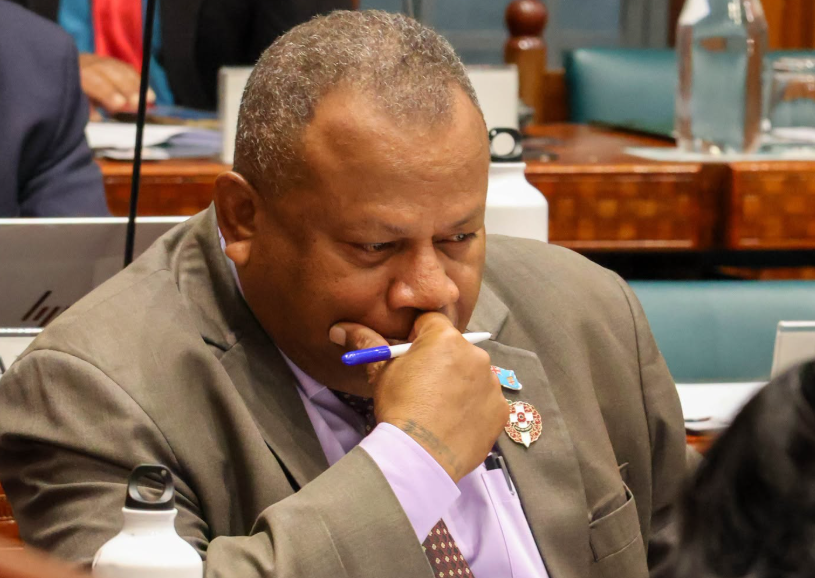
The Centre was responding to comments by Mr Tuisawau accusing NGOs of crossing the line.
Ms Ali urged the Minister not to use his position to make what the Centre described as irresponsible comments aimed at narrowing the scope of rights-based civil society groups, restricting scrutiny of legislation and political leaders, or suppressing dissent.
“Mr Tuisawau needs to understand the role of rights-based civil society organisations and NGOs in this country,” she said.
“A vibrant civil society – led by CSOs and NGOs – also shape the laws and policies.
“CSOs and NGOs do not just serve the public, they are the bridge between everyday people and the policies that govern them.”
Ms Ali also reminded the Minister that Fiji was not a dictatorship.
“The last I checked, Fiji is still a democratic country,” she said.
The Centre stressed that politics was not confined to political parties but also involved advocating for changes that benefited society.
It said civil society organisations had every right to question Government actions because their members were also voters and taxpayers who contributed to the salaries of parliamentarians.
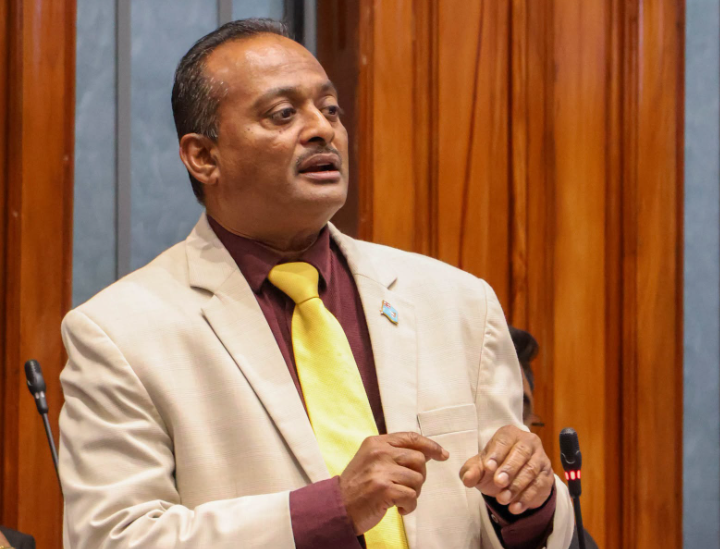
FWCC also commended Minister Filimone Vosarogo for his comments highlighting the relationship between civil society and Government.
The Centre reminded Mr Tuisawau that he was in Parliament through the will and votes of the people and had a responsibility to serve them.
It said freedom of speech and expression was a constitutional right that allowed citizens and civil society groups to question those in power and demand better governance.