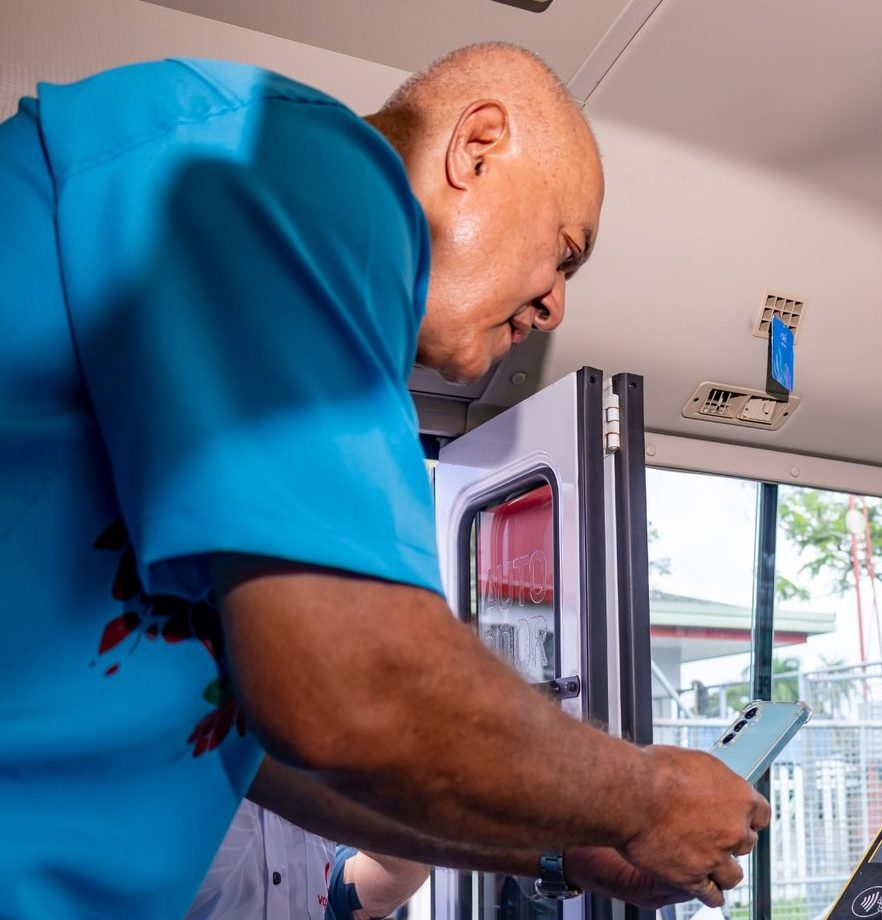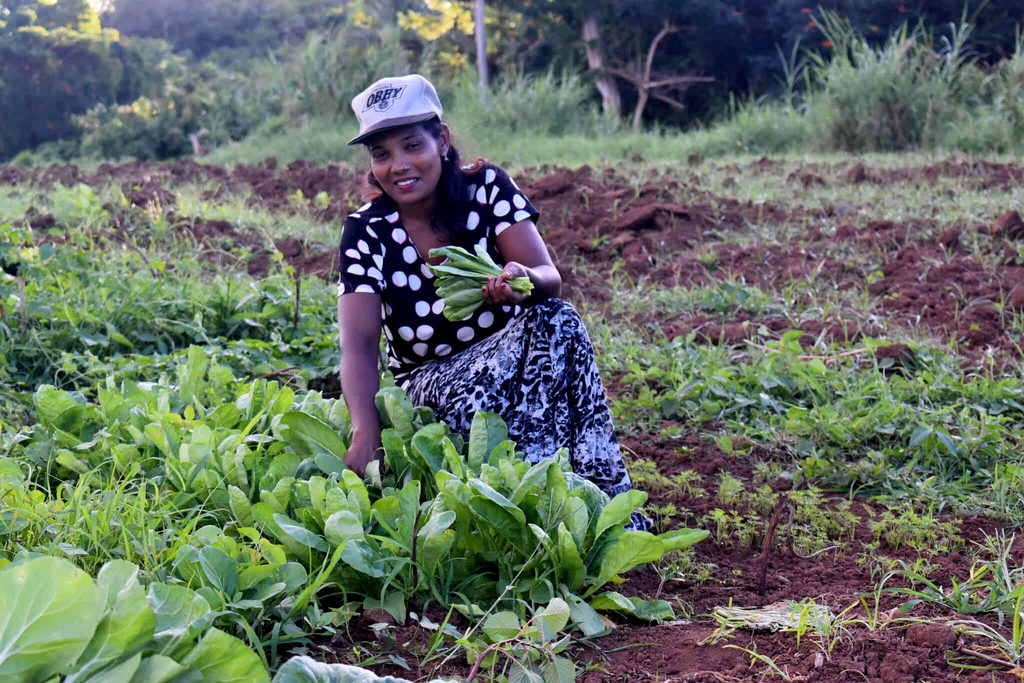
Launching Government’s Horizon 2030 National Food System Pathway and $26.5million investment plan, Agriculture Minister Tomasi Tunabuna acknowledged that Fiji’s food system “has not really been planned the way it should have been”.
That is the deeper problem.
Despite decades of projects, grants, subsidies, equipment and extension programs, Fiji imports about $1.106billion worth of food, against only $343million in crop and livestock exports.
What we have lacked is a national production strategy.
Simply encouraging more people to plant more things does not build a productive economy. Production must be co-ordinated and connected to markets.
Plant the right things
THE principle is simple. We don’t want everyone planting the same thing. We don’t want everyone planting everything. We want everyone planting the right thing.
Ad hoc production creates a predictable cycle: high price → more planting → oversupply → price collapse → farmers exit → shortage → imports return
Instead of plant → harvest → search for buyer, we need market → production → harvest → buyer
Produce against markets, not hope.
What is the right thing?
The answer should come from science and economics, not politics or last year’s prices.
Fiji needs a living national production map matching – climate + soil + water + ecology + land + labour + infrastructure + climate risk – with – domestic demand + imports + tourism + production costs + processing + export potential – to determine – what to produce → where → at what scale → for which market.
This is not central planning. It gives farmers, landowners and investors the information and market signals to make better commercial decisions.
The $1.1billion import bill is a market map
Fiji should not produce everything it imports. The goal is competitive import substitution – identify, commodity by commodity: What we import → how much → what Fiji can competitively produce → where → at what scale → for which buyers.
Competitively replacing just 10 per cent of the $1.1billion import bill could shift about $110million in annual food demand towards Fijian production.
The import bill is therefore not merely evidence of dependency. It is a map of Fiji’s production opportunity.
Grow the economy around what we produce
Growing more food is not enough. Fiji must develop all three layers of production – Primary: farming → livestock → fisheries → aquaculture.
Secondary – grading → processing → packaging → preserving → manufacturing
Tertiary – transport → logistics → retail → finance → technology → marketing → exports
A tomato’s value should not end at the farm. Around it can grow nurseries, irrigation, machinery, refrigeration, processing, packaging, transport, retail and restaurants.
The goal is not simply to grow more food, but more economic activity around what we produce, creating higher-productivity businesses, skilled jobs and greater national value addition.
Build production systems, not isolated farms
Once Fiji knows what to produce and where, organise producers into commercial clusters:
Land + farmers + machinery + aggregation + cold storage + processing + logistics + buyers
What individual farmers cannot economically achieve alone – scale, machinery, cold chain, processing and major contracts – clusters can.
For customary landowners, this creates voluntary pathways beyond land → lease → rent
Towards land → production → enterprise → employment → value addition → income.
Customary ownership remains protected while landowners participate more fully in the productive economy.
Start with the buyer, not the farmer
Don’t encourage farmers to plant first and find buyers later. Supermarkets, hotels, restaurants and processors already know what they need:
Volume + quality + price + consistency + food safety + reliable delivery.
Bring them in before planting: verified demand → production → aggregation → delivery.
Government can then co-ordinate production with real demand and progressively increase competitive local sourcing as capacity grows.
Produce what the market will buy, at a commercially viable price.
Shorten the path from farm to table
Move from fragmented supply chains farmer → collector → middleman → market → retailer → consumer towards production cluster → aggregation/cold chain → supermarket/hotel/processor → consumer
The shortest efficient path means fresher food, lower post-harvest losses, better quality control and more predictable demand.
Municipal markets remain valuable, but commercial farmers should not spend Saturday hoping to sell produce that could already have a buyer. Fresh Fijian food should reach markets seven days a week.
Specialise, produce and trade
Regional specialisation is not monoculture or self-sufficiency. It means producing commercially where each region has the strongest advantage, then trading the surplus.
Specialisation → productivity → surplus → trade → income. That trade drives transport, processing, retail, professional services and other economic activity. Produce what each region does best—then trade.
From projects to production
The new $26.5million investment can be scattered across projects, or used to begin building an integrated production system. Without a national production strategy – projects → grants → planting → hope – with one – demand → product → region → scale → production → value addition → market.
A national production strategy is not central planning, another subsidy program or an attempt to eliminate imports.
It is the national architecture connecting what Fiji should competitively produce, where, at what scale, for which buyers, with what value addition and route to market.
Co-ordination is the missing ingredient
Fiji already has land, people, productive potential, buyers and $1.1billion in food demand. The challenge is to identify what Fiji can competitively supply and organise our productive capacity around it – right product → right place → right scale → value addition → shortest path to market.
That will not emerge from hundreds of disconnected projects. Projects spend money. Production systems create wealth. Building one requires design, co-ordination and discipline. That is why Fiji needs a national production strategy.