
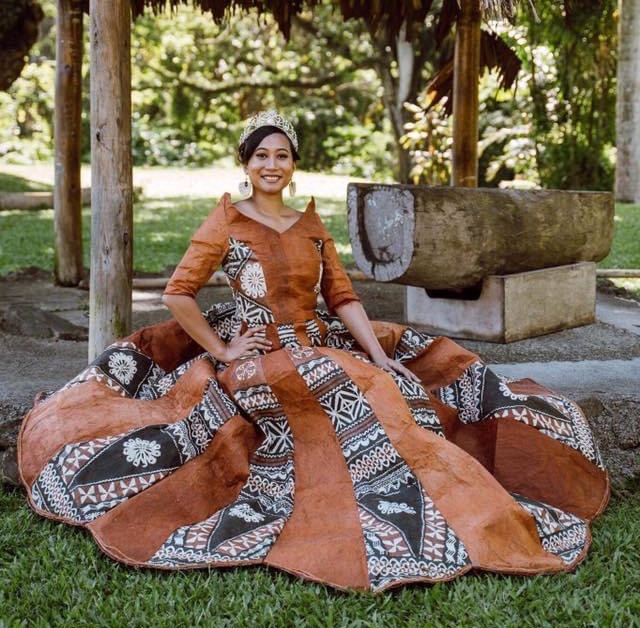
Changes are often hard, but if your agenda is founded on principles that matter, the benefits are worth the hard work.
In the fashion industry where the only thing that does not change is that there is always something new to look forward to, change is not hard.
That is the principle that Fiji Fashion Week’s (FJFW) new move to promote sustainable fashion is founded on, the company’s managing director Ellen Whippy-Knight said.
“We are a large ocean state, almost completely dependent on the beauty and pristine nature of our Pacific environment for our livelihoods and everything we do, including the clothes we wear has an impact on where we live,” Ms Whippy-Knight said.
“The decisions we make on what we wear and therefore how we produce it and what we do with our fashion waste, is critical to our communities and the health of the future generations.”
The fashion head said FJFW, which turned 15 years had worked for almost that long to drive development and innovation in the fledgling Fiji fashion industry.
FJFW has partnered with large corporations to stage the event annually and this year it is working with hygiene and lifestyle products manufacturer Colgate Palmolive.
While in the past the main goal had been to stage the series of glamorous fashion events to act as a trade exhibition and showcase ‘made in Fiji’ garments to the global fashion week community, that focus has now changed.
“FJFW has been following the advice of fashion activists, like Claire Press, who have encouraged us to examine the fashion system and dig deep into its effects on people and planet. This means that we need to see the industry in terms of ethics, sustainability, consumerism, activism, identity and creativity,” Ms Whippy-Knight said.
Claire Press is a fashion journalist turned fashion activist who runs an educational platform called “The Wardrobe Crisis” which uses multimedia to educate people in fashion about various aspects about how fashion impacts the environment.
Ms Press has agreed to come to Fiji soon to help FJFW start some formal educational events which question the ecological impact of fashion.
“With the support of our sponsors, designers and community, FJFW is invested in the further growth of our industry. We see our path in terms of these five words, and you can use these words interchangeably: sustain, culture, make, future, celebrate.”
The rationale behind those five words is that in order to celebrate the future of the industry, fashion stakeholders need to work on the understanding that everything we do will be sustainable for both the planet and economic outcomes.
“In working towards outcomes which are both economically and environmentally sustainable, we stand a much better chance at preserving our cultural heritage. We are a fashion region which digs into our cultural and environmental heritage to create our fashion, so sustainability is critical to our future.,” Ms Whippy-Knight said.
FJFW says the global fashion industry has in the last decade worked on a detox campaign to change the way clothes are produced and disposed to protect pollution on rivers and oceans from the often hazardous chemicals used to make clothes.
“Clothes are very close to people’s hearts and in the Pacific that is even more profound because everyone here expresse their sense of self, their love for their culture and their respect for their customs in the clothes that they design. This makes the protection of our Pacific islands critical in the fashion sense.”
What FJFW hopes is for consumers to align themselves towards fashion that is ethically created and which follows fair trade principles. Additionally, FJFW designers have been encouraged to be eco-friendly or use ‘green’ fashion in their production approaches.
“In Fiji one of the easiest ways we can be sustainable in our fashion style is through upcycling, thrifting, swapping, sharing and renting the fashion products we use,” FJFW said.
“We would like to reach out to everyone in the Pacific fashion space and ask them to please create fashion in a way which is considerate of humanity and the environment, reducing the environmental impact wherever possible. The ultimate goal is to have a system which works without leaving a negative footprint.”
FJFW hopes that designers and all stakeholders will combine their creativity and enthusiasm as equally as they do with traditional supporters as they will with nature lovers, scientists and environmental activists.
“Together, we need to join the Pacific community in calling for better investment in our environmental future and send out a clear signal to those fashion brands who are not yet committed, to go ahead and join the effort to detox their fashion products,” Ms Whippy-Knight said.
“We hope to secure Clair Press and other fashion activists to help us raise our ability to be fashionable and yet protective of our beautiful Fiji.”
The fashion events company says that in the next few weeks in the lead-up to Fiji Fashion Week which takes place from May 21 to May 28, the sustainable fashion message will be “come alive through our events and runway shows”.
- Lice Movono is a freelance journalist and independent media consultant.

