A national assessment of Fiji’s public health facilities has revealed significant challenges in the reliability of medical oxygen supplies and electricity, particularly in rural and remote areas.
The findings were highlighted in a research paper published in the international journal International Health on November 19, 2026, examining efforts to strengthen Fiji’s medical oxygen system during and after the COVID-19 pandemic.
The study, titled Implementing a national oxygen systems strengthening programme in Fiji during a pandemic, assessed 188 of the country’s 198 public health facilities.
Researchers found that while more than 95 per cent of assessed facilities reported some access to oxygen during the preceding year, reliability remained a concern.
Among hospitals and health centres that provided responses, 34 per cent rated their oxygen supply reliability below the categories of very good or excellent.
Electricity disruptions also posed challenges, with 30 per cent of responding hospitals and health centres reporting at least one day without electricity during working hours in the preceding week.
The researchers said these findings highlighted the need for reliable oxygen infrastructure, particularly in facilities serving geographically isolated communities.
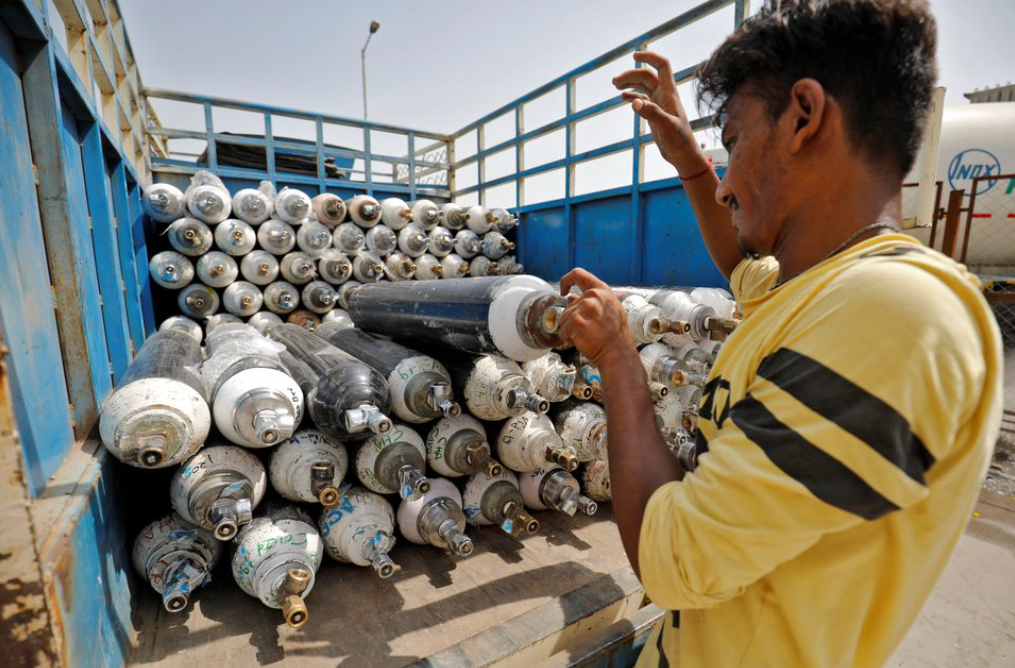
Fiji’s oxygen supply has traditionally relied on liquid oxygen and cylinders, which can be expensive and difficult to transport.
The Fiji Oxygen Project, established in 2015, was expanded during the COVID-19 pandemic when hospitals faced increased demand for oxygen.
The initiative brought together the Ministry of Health and Medical Services, Cure Kids and academic partners to improve equipment availability, workforce training and oxygen supply systems.
Its interventions included distributing oxygen concentrators, installing solar power systems at vulnerable facilities and strengthening equipment maintenance.
The project has since been integrated into the Ministry as a National Oxygen Programme, supported by dedicated personnel and funding.
The research also highlighted the development of Fiji’s National Oxygen Policy, endorsed by the National Health Executive Committee in 2025.
Researchers stressed that sustainable improvements depended on local leadership, trained health workers, reliable infrastructure and long-term partnerships.
However, they acknowledged that the study did not measure patient-level clinical outcomes or establish how much the programme had reduced deaths.
The findings provide lessons for strengthening access to life-saving medical oxygen across Fiji and other Pacific island countries.