The 31st United Nations Climate Change Conference (COP31) concluded on Sunday without adopting a cover decision, ending two weeks of talks and two days of overtime in a stalemate over fossil fuels and climate finance.
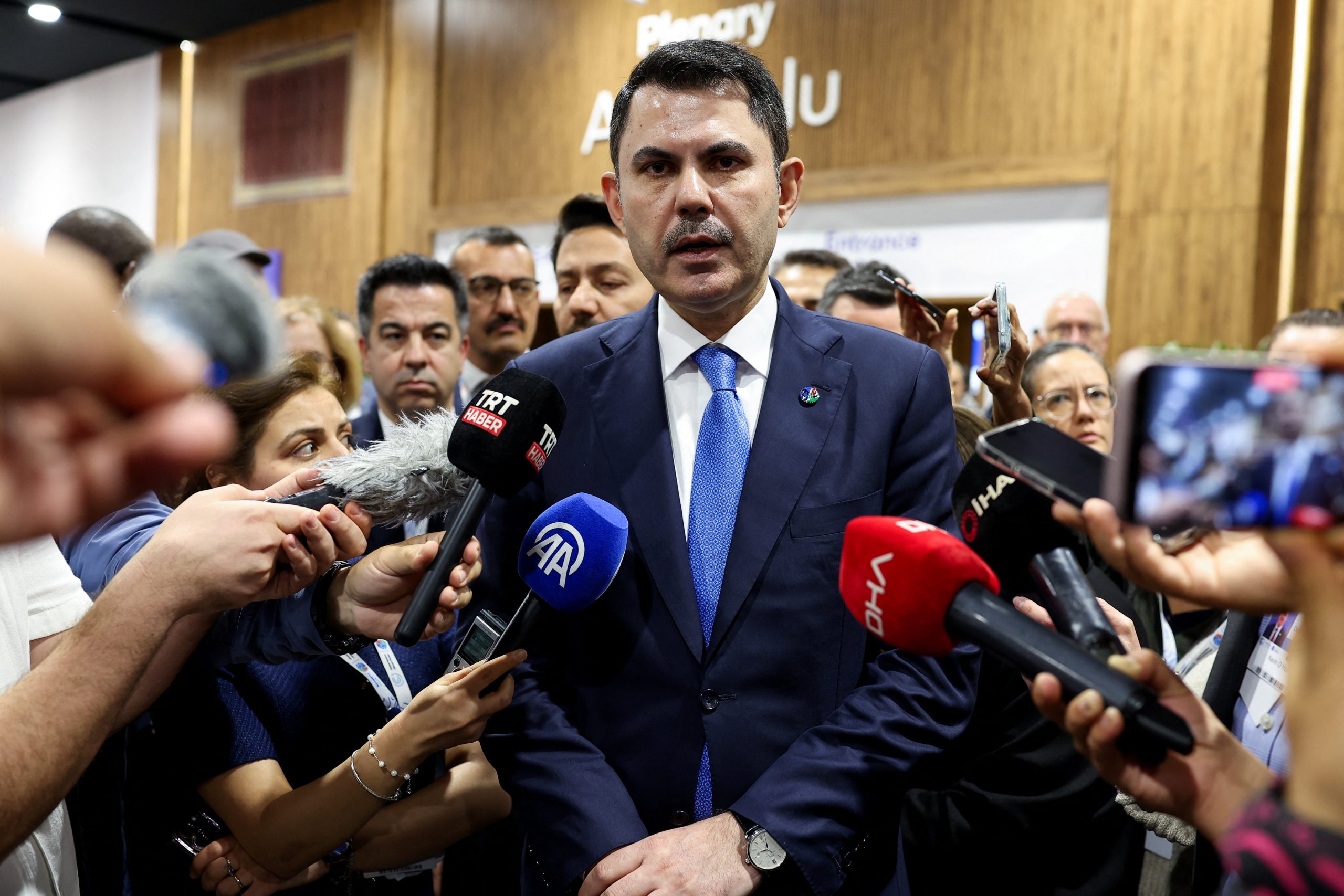
COP31 President Murat Kurum, Türkiye’s Minister of Environment, Urbanization and Climate Change, closed the session after acknowledging the consensus breakdown.
“It is clear that there are parties in this hall who oppose this text,” Mr Kurum told delegates during the closing plenary. “We recognise that there is no consensus on this document. Therefore, these decisions have not been adopted.”
The summit presidency, led by Türkiye alongside Australia, circulated multiple compromise drafts over the final weekend to bridge divisions among 196 participating parties.
While the proposed text acknowledged that global warming is set to overshoot the 1.5°C threshold and called for faster methane reductions, it omitted explicit commitments to transition away from fossil fuels.
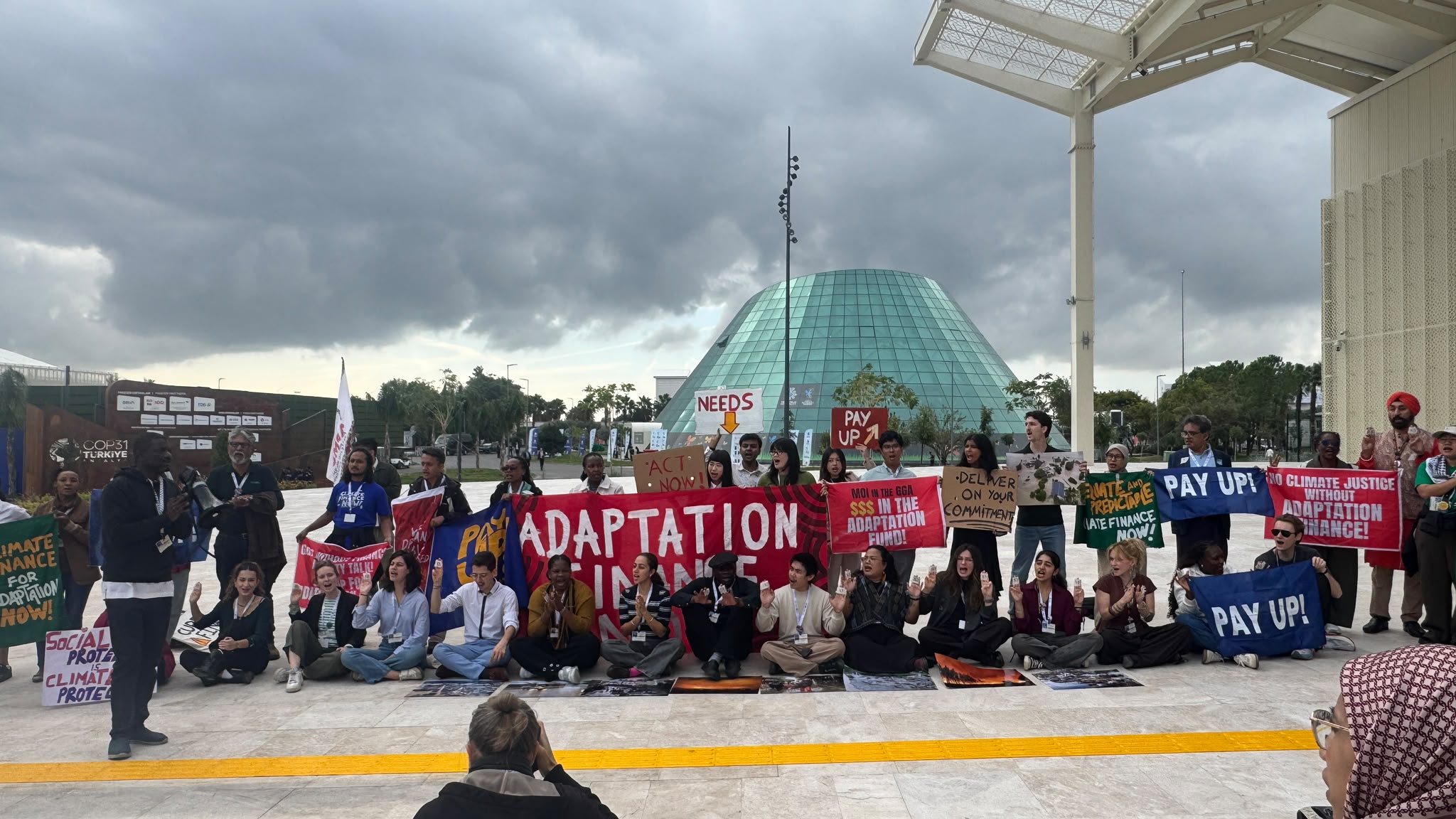
That omission triggered immediate rejections from the European Union, the United Kingdom, Norway, and climate-vulnerable nations including the Marshall Islands, Panama, and Belize. UK Energy Secretary Miatta Fahnbulleh stated that the moment required bold ambition, adding it was “immensely disappointing we have been unable to” build consensus. Developing nations also criticized the draft for lacking concrete adaptation finance targets.
Minister for Environment and Climate Change Lynda Tabuya said her country was deeply disappointed by the lack of consensus. Addressing Australian Climate Minister Chris Bowen, who served as COP31 President of Negotiations, Tabuya noted that the failure was “not yours to carry”.
“It is the responsibility of all parties,” she told the plenary, emphasizing that the 1.5°C Paris global heating target represents the “limit of our survival” while access to climate finance serves as the means to survive.
Because UN climate agreements require unanimous approval, formal objections from key negotiating blocs blocked the overarching political declaration.
The collapse marks the longest-running COP summit on record to conclude without a cover decision, leaving major disputes over energy transition timelines and climate funding unresolved heading into next year’s talks.