THE State has urged the High Court to reject no-case-to-answer submissions by three former government ministers, arguing evidence from 14 prosecution witnesses is sufficient for the charges to proceed.
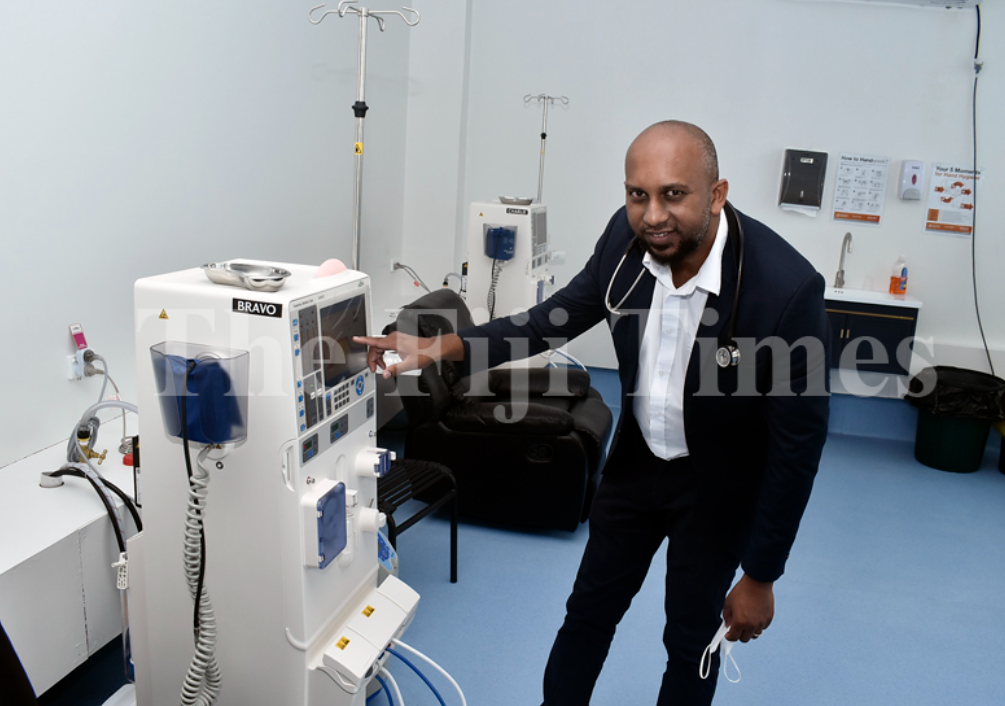
Assistant Director of Public Prosecutions Laisani Tabuakuro yesterday argued evidence existed that former health minister Dr Neil Sharma allegedly interfered with the medical equipment tender process by approaching the permanent secretary for Health to write a letter identifying preferred suppliers, disrupting a process already being handled by the relevant committees.
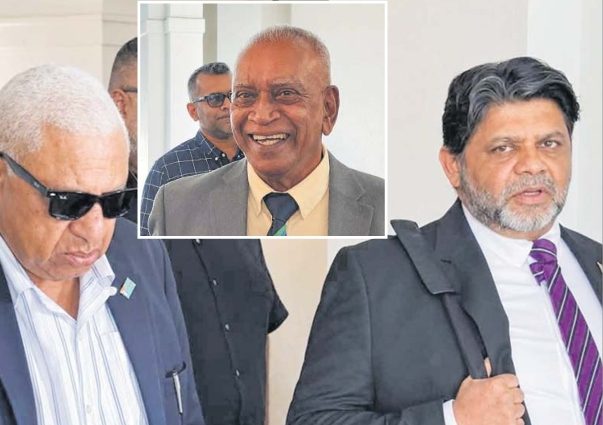
She also disputed the defence claim that the waivers of two tenders granted by former prime minister Voreqe Bainimarama and former attorney-general Aiyaz Sayed-Khaiyum were lawful, arguing the relevant procurement regulations did not permit their use for the equipment involved.
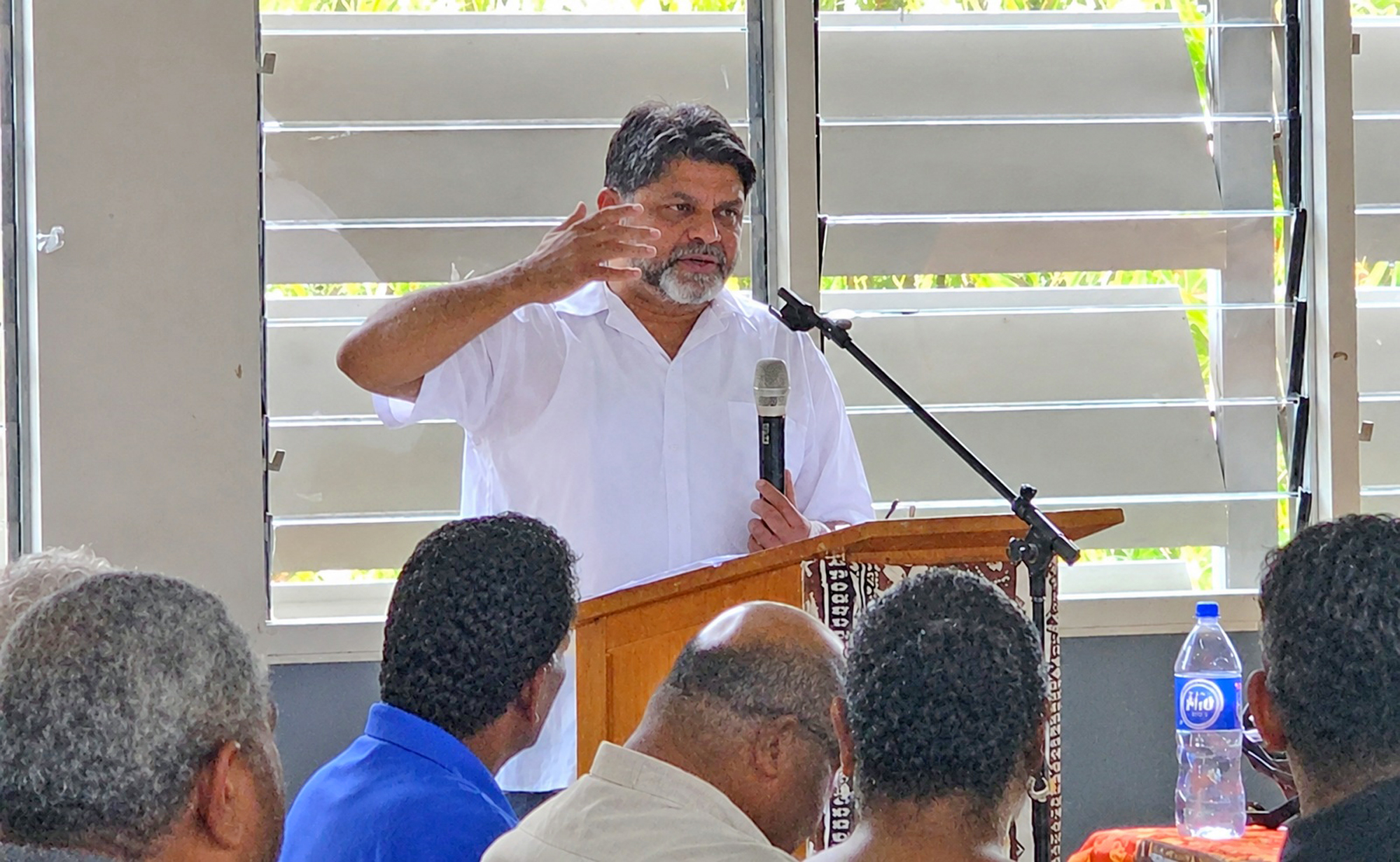
Ms Tabuakuro also argued there was sufficient evidence that Mr Sayed-Khaiyum had intervened in a FICAC investigation, which was subsequently put on hold and not pursued.
Lawyer Devanesh Sharma, representing Mr Bainimarama and Mr Sayed-Khaiyum, argued the waivers were lawfully made under Regulation 48(4) of the Fiji Procurement Regulations 2010, and there was no evidence of prejudice.
On the obstruction charge, he said witnesses had rejected any direction by Mr Sayed-Khaiyum to halt the investigation.
Representing Dr Sharma, Wylie Clarke said the State had failed to prove that his client breached a statutory requirement or possessed the criminal intention required for the charges.
Mr Clarke argued the State’s case largely relied on procurement documents whose contents had not been properly proved, with missing records and faded memories further weakening evidence relating to tenders conducted about 15 years ago.
Justice Usaia Ratuvili will deliver his ruling on October 1.