RHEUMATIC heart disease (RHD) is claiming an average of 71 lives a year in Fiji, with the condition estimated to cost the country $18million annually in medical and non-medical costs.
The figures were highlighted during the launch of the Fiji Rheumatic Heart Disease Support Programme 2020–2025 Report yesterday.
One in 50 Fijian children could have RHD, with children aged five to 15 considered most at risk.
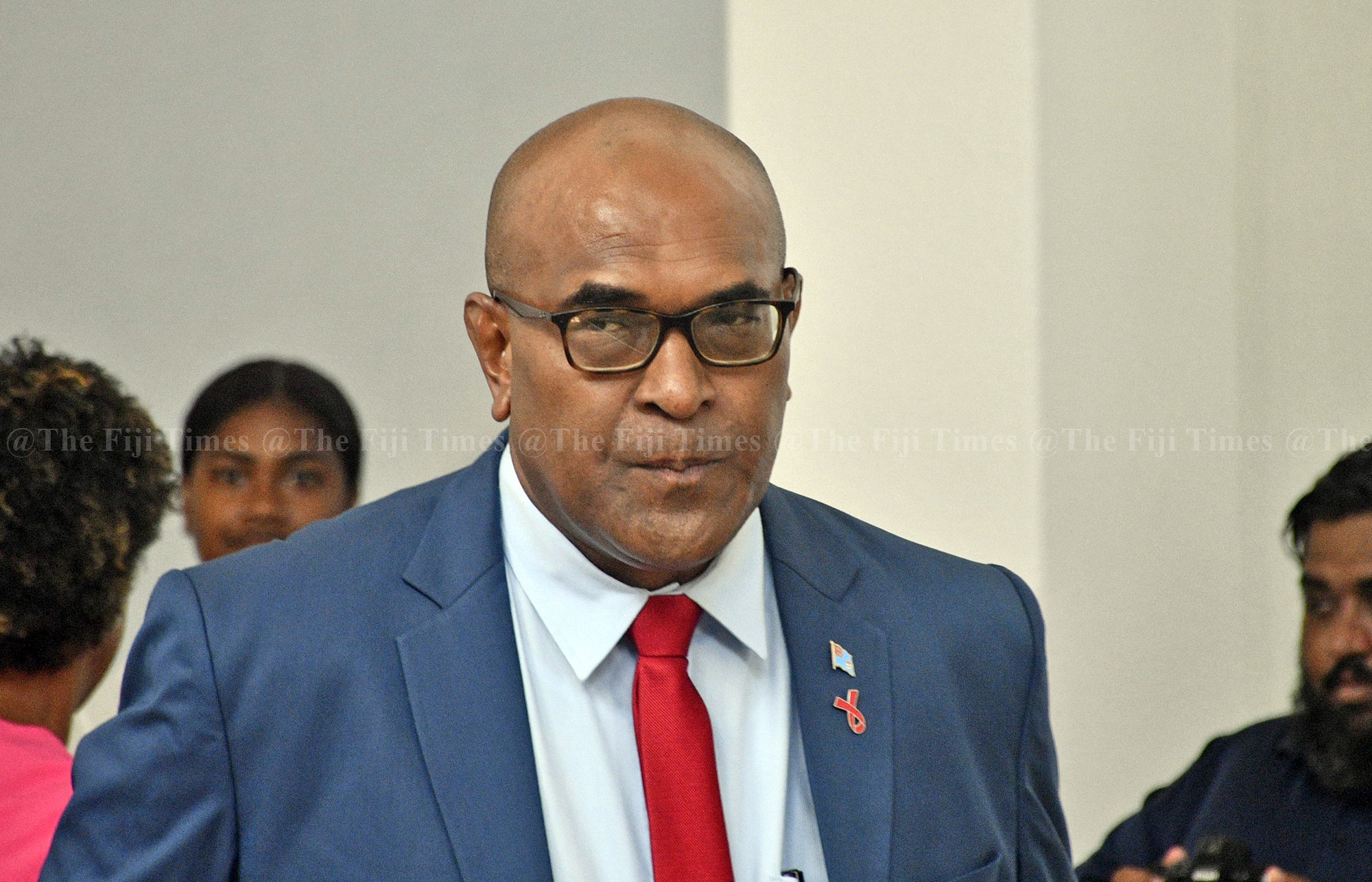
Minister for Health and Medical Services Dr Ratu Atonio Lalabalavu said RHD remained a serious concern, particularly for children, young people and families.
“Rheumatic heart disease remains a serious concern for our country, particularly because it affects children, young people and families,” he said.
He said prevention, early diagnosis and continuity of treatment were critical.
“An improved screening during pregnancy provides greater protection for mothers.”
Dr Lalabalavu said the progress made was encouraging, but more work was needed.
“The work, however, is not finished. We must continue to strengthen our workforce carrying out epidemiology, improving adherence to secondary prophylaxis, for those living with RHD, inspecting surveillance and diagnostic, and strengthening acute rheumatic fever that deepens within our communities.”
The report stressed that early-stage RHD could occur without obvious symptoms, making screening and early detection critical to preventing serious heart damage. RHD is preventable, but significant and irreversible damage may already have occurred by the time symptoms appear. Echocardiography remains an important tool in identifying the disease before heart damage occurs, allowing earlier care.