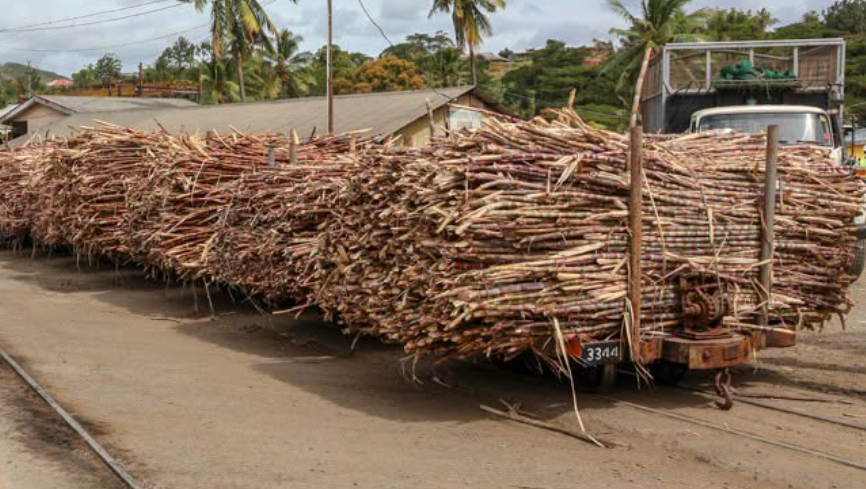
Fiji’s sugar industry continues to face production and efficiency challenges, with the latest figures from the Reserve Bank of Fiji showing that sugar output remains well below levels recorded in previous years.
According to the Reserve Bank of Fiji’s The Fijian Economy – September 2026 Chart Pack, sugar production stood at approximately 75,000 tonnes for the period ending September 21, 2026.
This compares with approximately 110,000 tonnes produced during the whole of 2025 and around 180,000 tonnes in 2017.
However, the 2026 figures represent production up to September 21, while the previous years reflect full-year results.
Cane production for the current crushing season stood at approximately 760,000 tonnes as of September 21, compared with around 1.5 million tonnes recorded for the whole of 2025.
The figures also highlight continuing challenges in milling efficiency, measured through the tonnes of cane required to produce one tonne of sugar, commonly referred to as the Tonnes Cane to Tonnes Sugar (TCTS) ratio.
The TCTS ratio stood at approximately 10.3 as of September 21, 2026, compared with around 13.3 in 2025.
A lower TCTS ratio indicates improved sugar recovery efficiency, suggesting that mills have required less cane to produce a tonne of sugar so far this season.
The latest figures also show that sugar export earnings reached approximately $42 million cumulatively to July 2026.
This compares with total sugar export earnings of approximately $50 million for the whole of 2025.
The historical data highlights the longer-term challenges facing the industry, with annual cane production declining from around 1.6 million tonnes in 2017 to approximately 1.5 million tonnes in 2025.
Sugar production has also fallen over the same period, although the latest partial-year figures cannot yet establish the final outcome for 2026.
The Reserve Bank’s figures underline the importance of improving cane supply, milling efficiency and sugar output as the industry works to strengthen its contribution to Fiji’s economy.