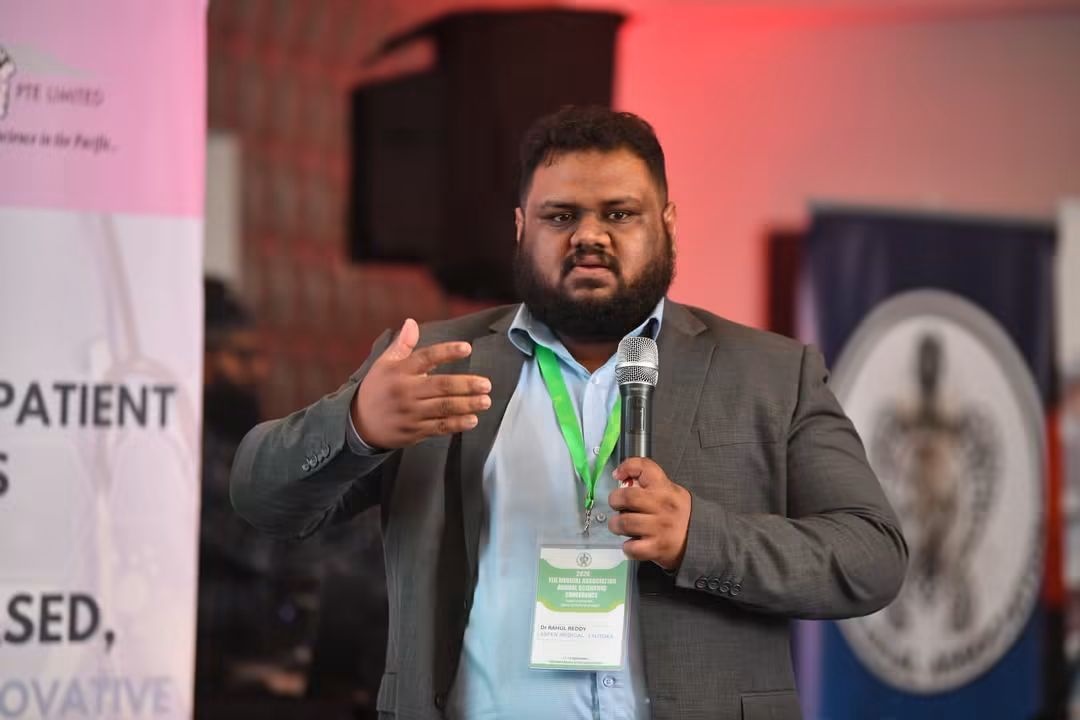
Treatment refusal and limited access to radiotherapy are contributing to poor breast cancer outcomes in Fiji, a Lautoka Hospital study has found.
Surgical registrar Dr Rahul Krishna Reddy said treatment refusal was a major challenge, with 22.1 per cent of patients declining surgery and 8.1 per cent refusing chemotherapy.
He said reasons included fear of surgery, treatment toxicity, financial difficulties, cultural beliefs, misinformation, family influences and preferences for alternative therapies.
“Addressing these barriers requires culturally sensitive counselling, patient-centred communication, psychosocial support services, and community-based education initiatives,” he said.
The study recorded an overall mortality rate of 22.1 per cent, with metastatic breast cancer accounting for 94.7 per cent of deaths.
Dr Reddy said advanced-stage disease more than doubled the risk of death, while higher tumour grade increased mortality risk more than sevenfold. Stage IV patients had a median survival of about nine months.
Treatment delays were also identified, with a median 48-day interval between histological diagnosis and definitive treatment.
He said most patients underwent mastectomy because of late presentation. Surgical management was performed in 58.1 per cent, while 19.8 per cent received palliative treatment.
Dr Reddy said expanding access to radiotherapy and integrating services into multidisciplinary cancer care could improve long-term outcomes for breast cancer patients in Fiji.