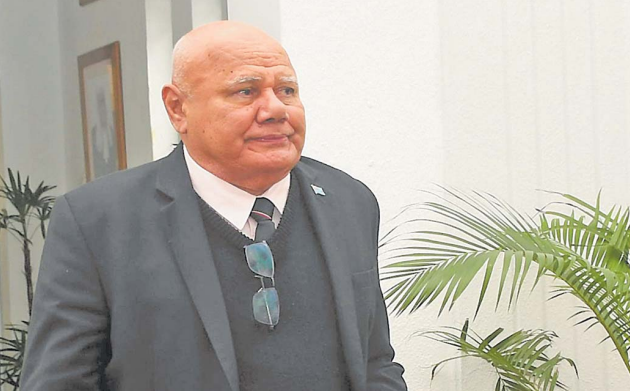
EARLY detection remains the most definitive weapon in the fight against breast cancer, according to director of Nursing Western Division, Amelia Nasetava.
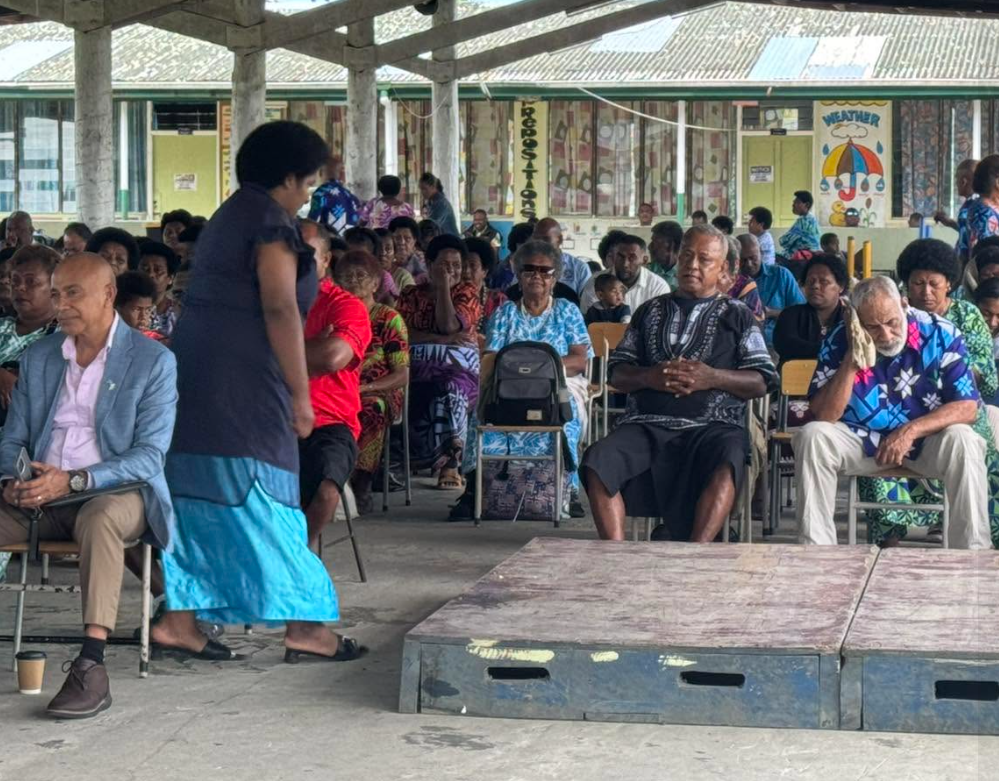
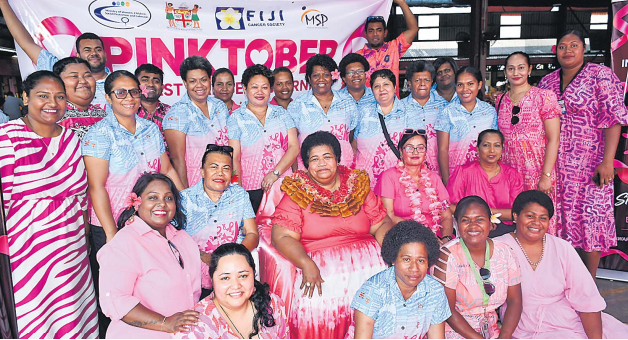
Speaking at the official commemoration of the International Day of Pinktober in Lautoka, Ms Nasetava delivered an urgent appeal to Fijians nationwide, emphasizing that proactive medical intervention and routine screenings are paramount to reducing mortality rates associated with the disease.
“Breast cancer affects our mothers, daughters, sisters, friends, and even our colleagues,” Ms Nasetava stated, highlighting the far-reaching social and emotional impact of the illness within local communities.
“But there is hope, and that hope lies fundamentally in education and early detection.
“We must use this platform to remind both women and men, and I explicitly say men because breast cancer affects them as well of the critical importance of regular check-ups, meticulous self-examinations, and a thorough understanding of our own bodies.
“Early detection does not just save time; it actively saves lives.”
A central theme of Ms Nasetava’s address was the critical need to dismantle deep-seated cultural barriers and traditional taboos that historically prevent individuals from seeking timely medical assistance.
In many Pacific communities, discussions surrounding reproductive health and cancer remain highly sensitive topics, often leading to delayed diagnosis, fear of isolation, and worsened clinical outcomes.
“Let’s make the conversation around breast cancer open, normal, and accessible to everyone,” she urged.
“Let’s refuse to keep it shrouded as a taboo. We must open it up completely so that people can feel entirely free to come forward with what they are experiencing in their bodies without fear of judgement or embarrassment.
“Let us continue to support one another, extend genuine grace to those who are currently struggling, and support the medical research that will one day bring about a world entirely free from breast cancer.”
Ms Nasetava concluded by acknowledging the profound structural value of the annual Pinktober campaign in shifting public perception. She noted that the initiative serves as a vital bridge between clinical advocacy and grassroots community awareness, ensuring that healthcare information reaches families outside urban medical centres.
“Pinktober is far more than just a month of wearing pink clothes and pinning ribbons to our lapels.
“It is a highly coordinated global movement that effectively brings breast cancer out of the shadows and directly into the light.
“It is a dedicated time when we actively amplify the voices that need to be heard, spread awareness that prevents avoidable loss, and most importantly, celebrate the incredible resilience of our warriors and survivors.”