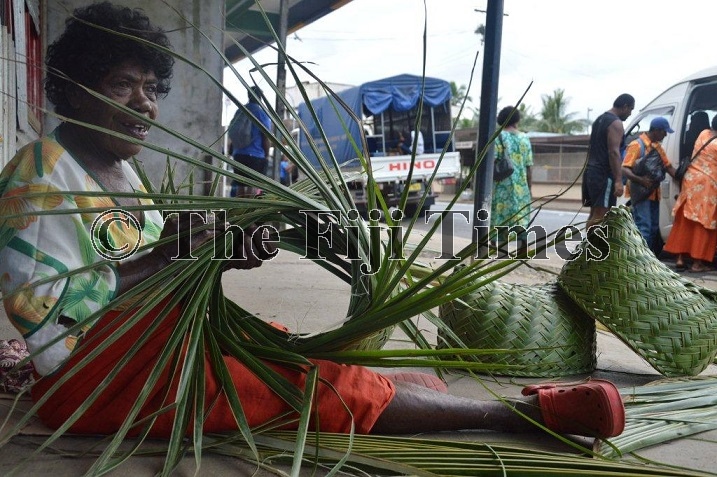
Vilisita Tinai may not be as environmentally-savvy as those much younger than her, but she is determined to make some kind of impression on the youth of today.
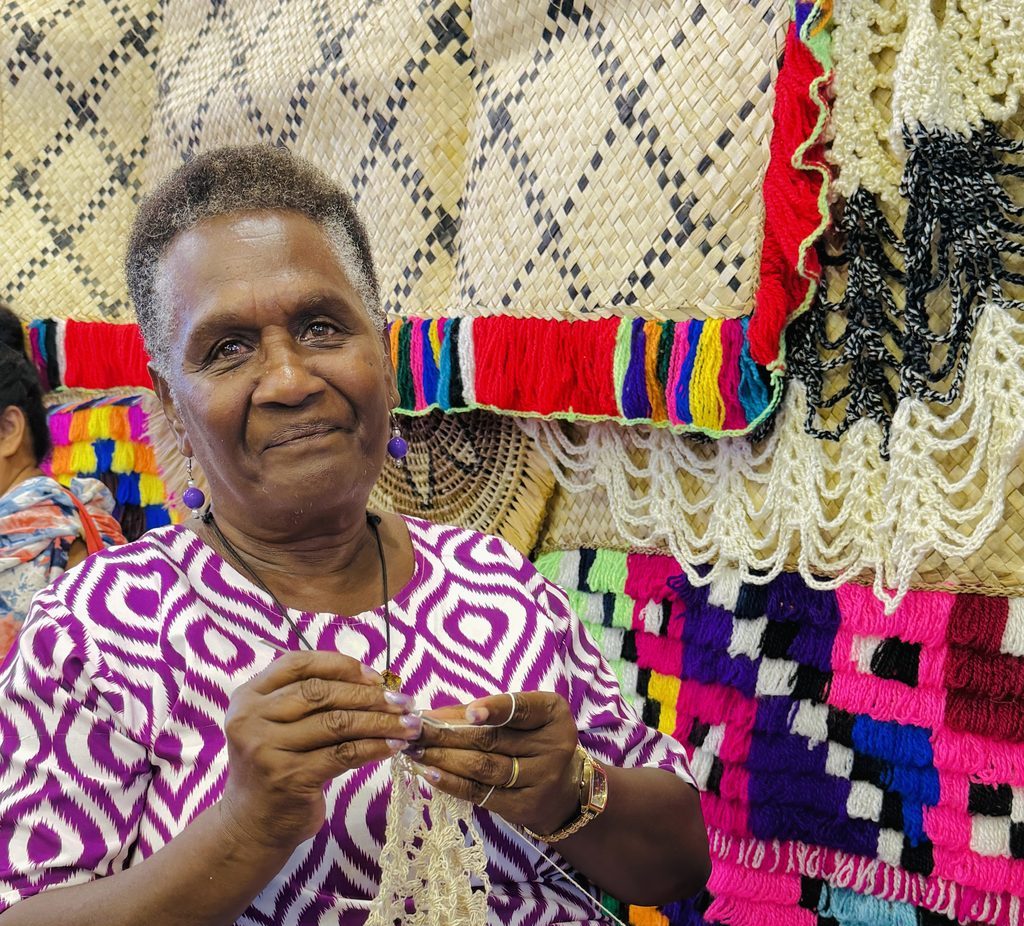
The 65-year-old widow, who lives with her grandchildren in Qelekuro, Tailevu, weaves baskets to make a living.
She said just like every other Fijian struggling to make a living during the COVID-19 pandemic, putting food on the table for her five dependents was “very tough.”
Ms Tinai said before weaving became a pathway to financial strength, she used to plait coconut leaves as a hobby and as a way to get through the death of her husband.
“I’m living with my five grandchildren from one of my two children and I can tell you providing food for our family is not easy these days,” she said.
Ms Tinai said she decided to put to good use her weaving skills to make use of the fallen leaves from coconut trees after Tropical Cyclone Harold.
“Apart from weaving baskets, I also make sasa brooms and other handicraft, anything that could bring in some money.”
The grandmother said obtaining the raw material had not been easy.
“I have to catch a minibus from Qelekuro at 8am and travel down to Korovou where I pick coconut leaves that are scattered around.
“I take them to town and weave baskets for people to buy.”
Ms Tinai said a lot of traditional i-Taukei skills such as basket weaving were not being regularly practiced and were at risk of being lost over time.
However, she was even more concerned about the indiscriminate use of plastic bags by many Fijians.
“I also want to teach the people around Qelekuro that we can use baskets instead of buying plastic bags.
“I’m selling my baskets for $10 and people are coming to buy it because it is big enough to carry all their shopping.”
Mrs Tinai said she also wanted to teach young children how to weave baskets from coconut leaves so they could carry on the tradition.