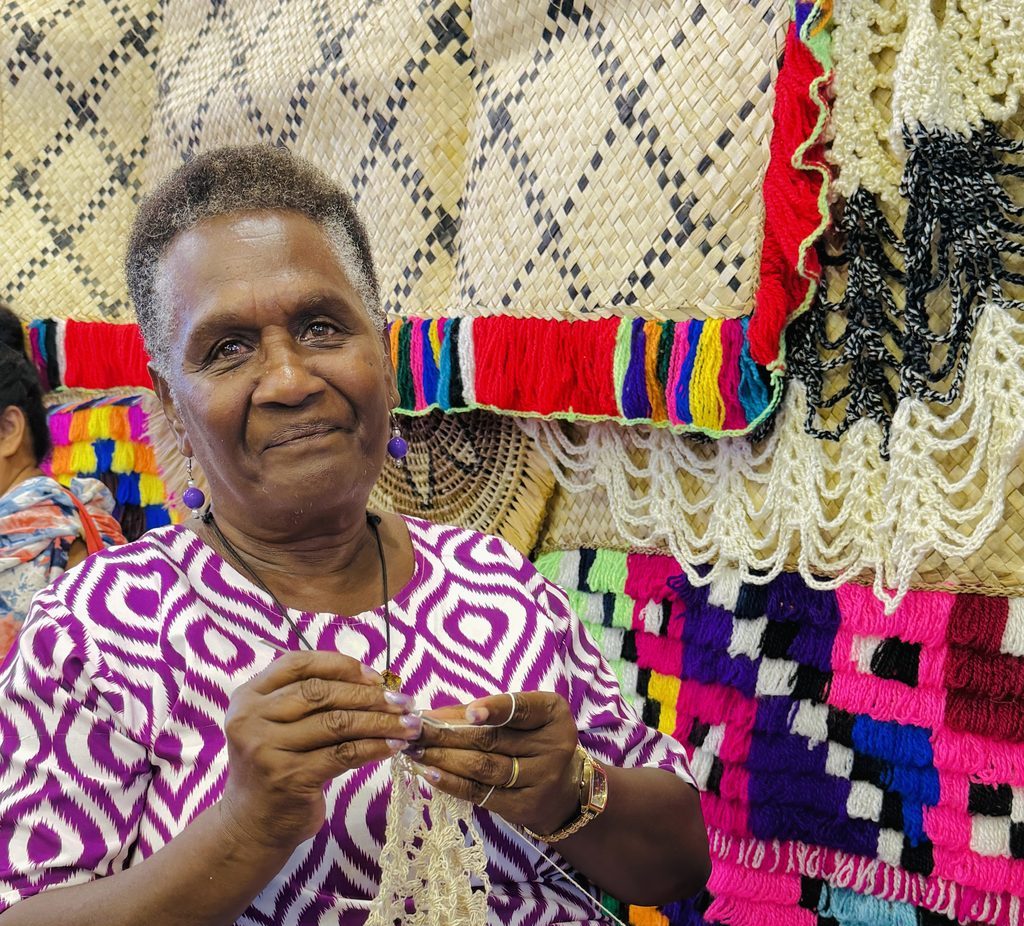
SEVEN years of living with a mobility impairment could not extinguish Losana Lawakeli’s desire to learn something new.
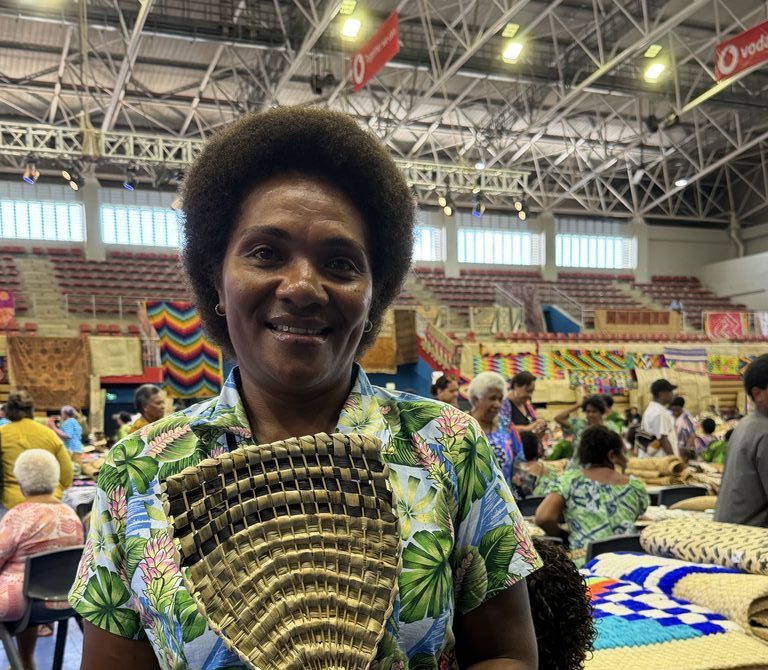
Today, the woman from Naimasimasi, Tailevu is turning discarded voivoi into sought-after handmade mats.
What some women saw as leftover voivoi cuttings, Losana Lawakeli saw as an opportunity to create something valuable.
She has turned those discarded pieces of voivoi into handmade round mats that have attracted buyers at the Women’s Expo.
Her journey into the craft began after she recovered from a mobility impairment that had affected her for seven years, leaving her unable to work or learn a new skill.
During that period, she was also caring for her mother, who had suffered a mild stroke.
It was a difficult time, but Ms Lawakeli refused to let her circumstances define her.
Watching women participate in the Women’s Expo inspired her to find a way to become involved.
“When I saw women taking part in the Women’s Expo, I kept telling myself that I also wanted to be part of it. I knew I had to overcome my impairment,” Ms Lawakeli said.
After recovering, she turned her attention to learning new skills, beginning with home decorations made from recycled materials.
She later expanded her work to crocheting seat covers and table covers, but her desire to learn more led her to experiment with leftover voivoi.
Ms Lawakeli began visiting women in her village who were involved in weaving, asking them for the discarded cuttings they no longer needed.
Some found humour in her collecting what they considered waste, but she had a different purpose.
From those leftover pieces, she developed her own round mats — with some fetching as much as $250.
“No one taught me how to make these round mats from recycled voivoi. I just prayed over it and asked for wisdom,” she said.
Determined to retain the traditional character of her work, she uses natural materials, including vau to sew the mats together.
Her efforts have begun attracting attention beyond her village.
At a previous Women’s Expo, a customer from America purchased one of her mats. This year, interested buyers came before the exhibition officially opened.
Ms Lawakeli said customers had already bought her mats on the day she was supposed to put them on display.
“I sold one for $250 and another for $100. It was great to see that there was interest in my round mats.”
By the time the expo officially opened, she had only her crocheted items left to display.
For Ms Lawakeli, the response was an encouraging sign that something others had overlooked could become a valuable product.
Her experience has also given new purpose to the skills she continues to develop, proving that even discarded materials can hold unexpected value when someone is willing to see their potential.