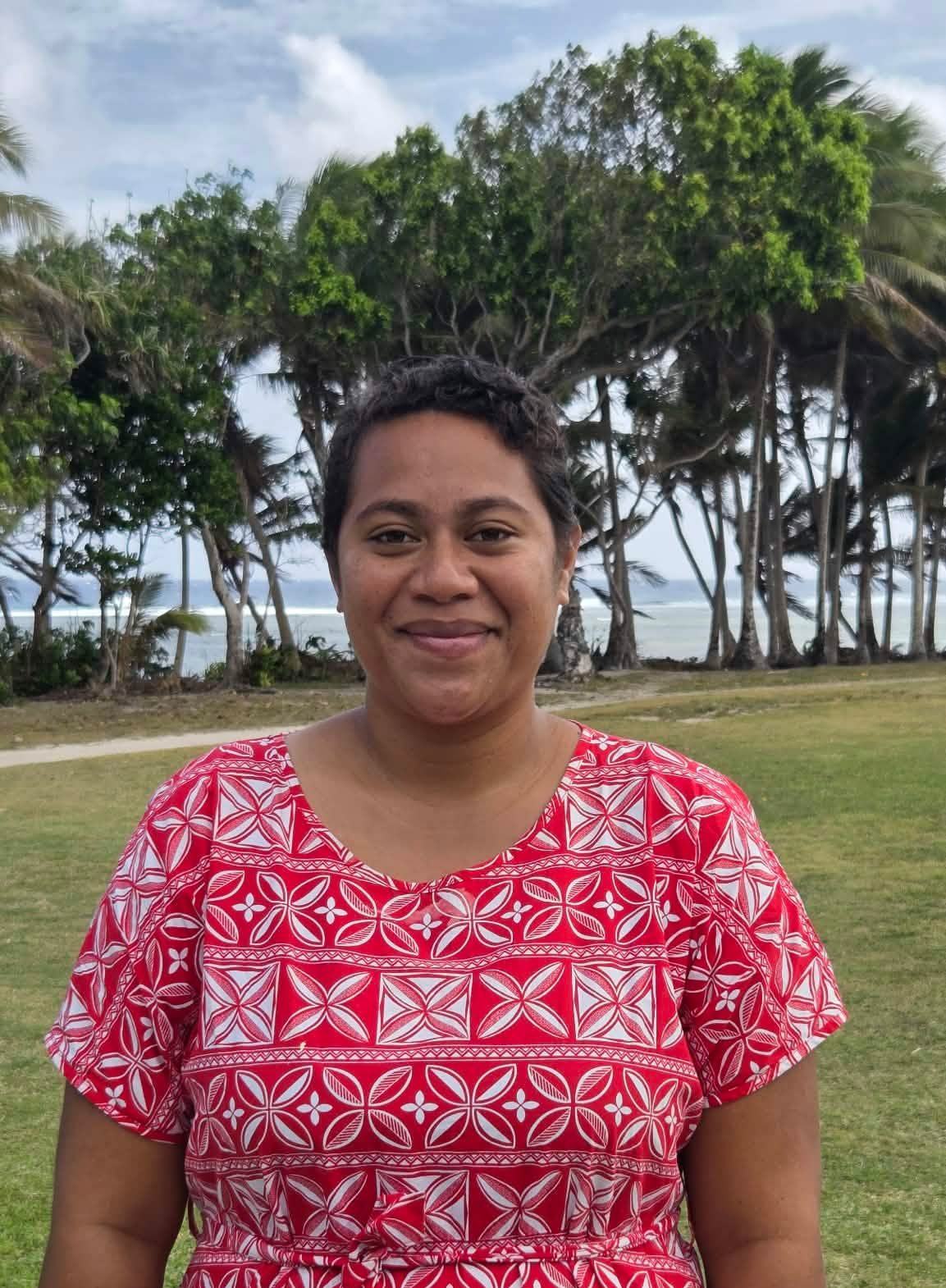
FOR 15 years, Linda Bryan lived with the reality of rheumatic heart disease (RHD) and the painful injections that became part of her monthly routine.
Diagnosed at the age of 15 in 2011 while attending Suva Grammar School, Ms Bryan said her family had little knowledge of the disease when she first began experiencing severe joint pains.
“I wasn’t aware, me and my family. We weren’t aware of this sickness,” she said.
“We got to know the sickness when I was diagnosed at the hospital.”
She was first taken to Bhanabhai Makoi Health Center before being referred to Colonial War Memorial Hospital in Suva, where she was diagnosed with RHD.
Since then, benzathine penicillin injections have become a regular part of her life.
“Firstly, I was to take it every three weeks. But since it improved as time went by, I finally took it every four weeks.”
The injections were not easy.
“During the first period of injections, my body wasn’t used to the needle,” she said.
“I was told that the benzo injection was always painful. But experiencing it was totally a different story.”
The treatment affected her teenage years, including her involvement in school activities.
“It stopped me from taking part in some activities in school, especially when I was in the school volleyball team. I had to stop training and attending the games.”
But over time, her body adjusted to the treatment.
“I could just get the injection today, come back, and resume school.”
After receiving the injections for about 15 years, Ms. Bryan completed her treatment in 2025.
Today, she is a science secondary school teacher at Cicia High School and uses her own experience to encourage young people to recognise the symptoms of RHD and seek medical attention early. Her family played an important role throughout her journey.
“Ever since I was diagnosed, my mum and dad were very supportive, especially in keeping me up-to-date with my injections,” she said.
Her parents, Julia Teilasa and Ilaiss Bryan, would regularly check her injection booklet and remind her when it was time to return to the hospital. Her siblings were also mindful of their sister’s limitations.
“They are always mindful of my limitations, of some things I could not do.”
For Ms. Bryan, her experience is now an important part of her message for parents and young people.
“My best advice—do not take the symptoms lightly, and as soon as they experience RHD symptoms, report to their nearest health center, and always show support towards their children who are living with RHD.”
She also has a message for those living with RHD.
“I would suggest never missing or defaulting on your Benzer injection because this is a very important medicine for your body, especially the heart.”
“And secondly, I would advise family members to support RHD patients, especially with carrying out light duties and eating healthy and staying healthy.”
For the teenager, who once had to sit out volleyball training because of her treatment, Ms. Bryan’s journey has now come full circle—from an RHD patient to a teacher helping others understand the disease.