Fiji’s tourism industry is on track to exceed one million visitor arrivals in 2026, a historic milestone for our nation. This reflects the collective efforts of the people who make Fiji such a special destination, including hotel workers, guides, drivers, farmers, tourism operators and the communities that care for visitors every day.
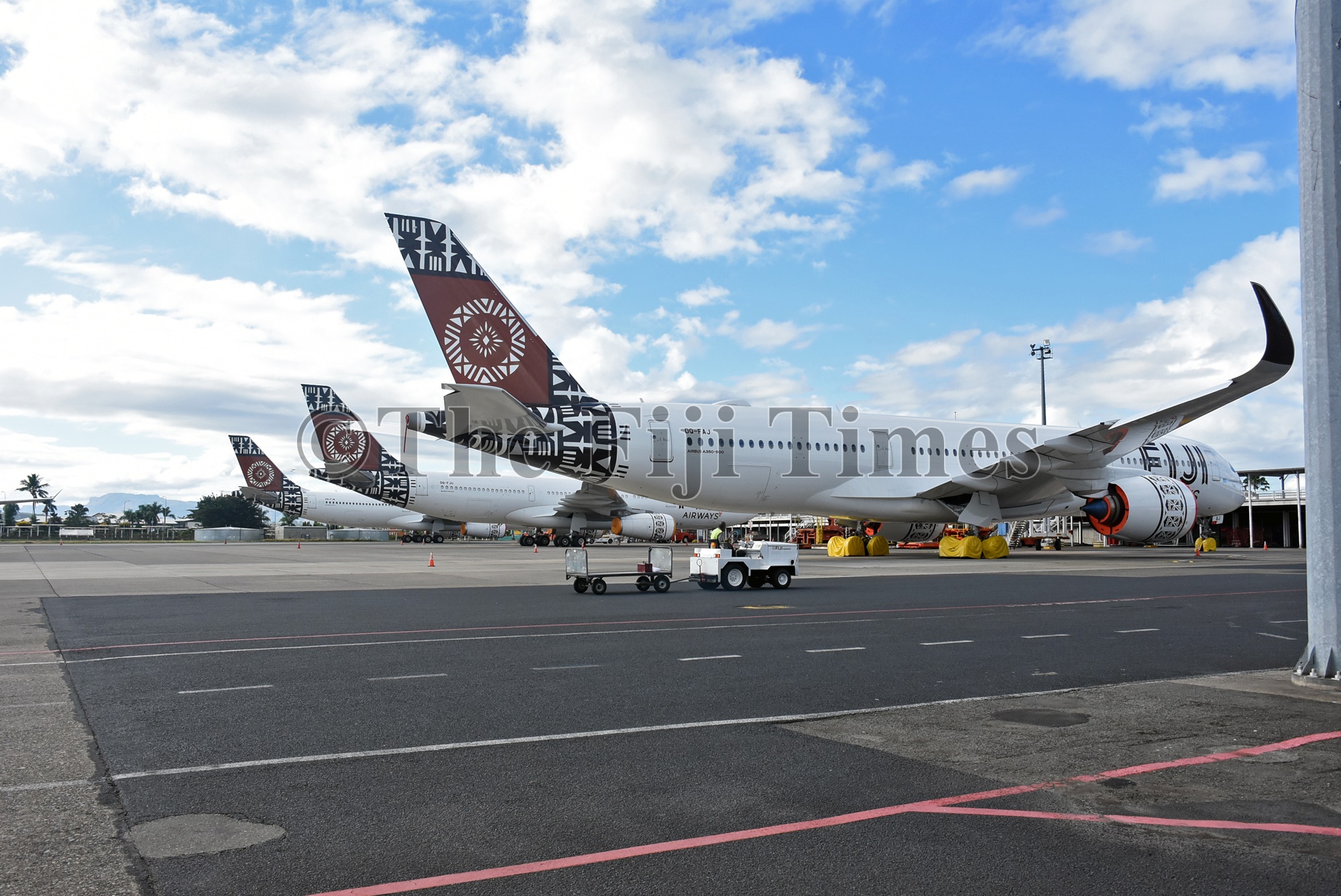
As Fiji’s national airline, we carry around 70 per cent of visitors to Fiji, connecting the country with the markets that sustain our tourism industry. For many visitors, their first experience of Fiji’s warmth and hospitality begins on board one of our aircraft. Our people are ambassadors for Fiji from the start of that journey, and we take that responsibility seriously.
A question has been raised that deserves a direct response. How can Fiji’s tourism industry be experiencing strong growth while Fiji Airways is offering voluntary separation and early retirement options?
The answer lies in understanding that growth in visitor numbers and the financial health of an airline are not the same thing.
The discussion about Fiji Airways’ financial position also raises important questions about our people.
The program currently in place offers eligible employees the option to apply for Voluntary Separation or Voluntary Early Retirement. Participation is voluntary, and the decision to apply rests with each employee, based on their individual circumstances and what is right for them and their families.
For some employees, this may be an opportunity to begin a new chapter after years of service. For others, continuing their careers with Fiji Airways remains the right choice. Both decisions are respected.
Each application will be carefully assessed against operational requirements and the skills and experience needed to maintain safe, reliable and efficient operations. Our people’s capability is essential, and we must retain the expertise needed to operate safely. Safety remains our highest priority and is never compromised.
This program forms part of our broader efforts to improve efficiency, manage costs and position Fiji Airways for long-term sustainability. As we navigate a challenging operating environment, we will continue to assess our business requirements and make responsible decisions in the best interests of the airline, our people and the communities we serve.
The financial realities behind airline growth
It is also important to recognise that a strong tourism industry does not necessarily translate into an easy operating environment for airlines. Visitor arrivals tell one part of the story.
The cost of transporting those visitors across international markets, maintaining aircraft, managing operations and delivering a reliable service is another.
It is also worth recognising that the benefits of tourism growth are not experienced equally across the industry. Some accommodation providers, particularly larger resorts operating in a strong-demand environment, may be benefiting from higher occupancy levels, room rates and revenue opportunities. Hotels, resorts and airlines operate with different revenue models, cost structures and financial pressures.
Airlines face significant fixed and capital costs, including fuel, aircraft leases and maintenance, crew, airport charges and other operating expenses. For a smaller carrier based in the South Pacific, long distances between markets, foreign-exchange movements, inflation, supply-chain pressures and global competition add to the challenge. The global fuel crisis has added further pressure to fuel and transportation costs.
This is why financial sustainability matters. Fiji Airways cannot simply focus on carrying more passengers; we must ensure that the business behind those journeys is strong enough to support them.
Our responsibility is not just to operate a busy airline today, but to build a resilient national carrier that can continue connecting Fiji to the world for generations to come.
That requires us to make considered decisions about how we operate, where we invest, how we manage costs and how we deploy our resources. It also means pursuing growth opportunities that deliver long-term value for Fiji, strengthening connections with key visitor markets and supporting the continued development of our tourism industry.
These priorities reinforce one another. A financially stronger Fiji Airways is fundamental to a stronger and more sustainable tourism industry.
The airline must be capable of responding to changing market conditions, investing in its fleet and services, maintaining operational resilience and competing effectively in the global aviation market.
Fiji Airways’ success is closely connected to the success of the wider tourism sector. Reliable air connectivity supports hotels, resorts, tour operators, transport providers, restaurants, farmers and small businesses across Fiji. But growth in visitor numbers alone does not show the airline’s financial health. Carrying more passengers also brings substantial costs, while each business has its own revenue model, cost base, investment needs and exposure to market changes. A strong tourism sector and a financially sustainable national airline depend on one another, but each has its own financial realities.
Listening to our customers
There have also been concerns about the meals served on board our aircraft. We acknowledge this feedback and recognise that the onboard experience must consistently reflect the standards our customers expect from Fiji Airways.
Some of the changes we made to the onboard experience earlier this year, including changes to our meals, were felt by our customers.
We made them in response to the fuel crisis and the significant cost pressures facing the business. While those measures were necessary at the time, we recognise their impact. We have listened to our customers and made improvements where we could.
Our Customer Satisfaction (CSAT) and Net Promoter Score (NPS) results help us understand how customers feel about travelling with us and how likely they are to recommend Fiji Airways. By October 2026, both scores had returned to their January levels.
This was reflected in our Customer Satisfaction (CSAT) and Net Promoter Score (NPS) results. These scores help us understand how customers feel about travelling with us and how likely they are to recommend Fiji Airways to others.
As of October 2026, both scores had recovered to the levels recorded at the start of the year.
We track customer sentiment each day through live dashboards, giving our teams feedback from our most recent travellers. Each week, we review and share that feedback across the business so we can act early, investigate issues where needed and keep improving.
We continue to work with our catering partners to improve the onboard experience. Our customers’ feedback matters, and we have a responsibility to listen, address shortcomings and continually improve the experience we deliver.
People care deeply about Fiji Airways, and rightly so. It is a national asset, an important contributor to our economy and a source of pride for generations of Fijians. That public interest makes it important for us to be transparent about the challenges we face and the decisions we make.
As we mark 75 years of Fiji Airways, we recognise the generations of people whose skills and dedication have built the airline we are today. Under the leadership of our Managing Director and Chief Executive Officer, Paul Scurrah, and our Board, our focus remains on strengthening the business, supporting our people, maintaining the highest standards of safety and delivering a reliable experience for our guests.
Our responsibility is to ensure Fiji Airways continues to create opportunities for our people, support Fiji’s tourism industry and meet the expectations of the people we serve. That is the standard we are working towards.
KAMELI BATIWETI is Chief Executive Services Officer at Fiji Airways. The views expressed in this article are the views of the author and do not necessarily reflect the views of this newspaper.