NO Pacific Island should be considered too small, and no community too remote to receive an effective weather warning.
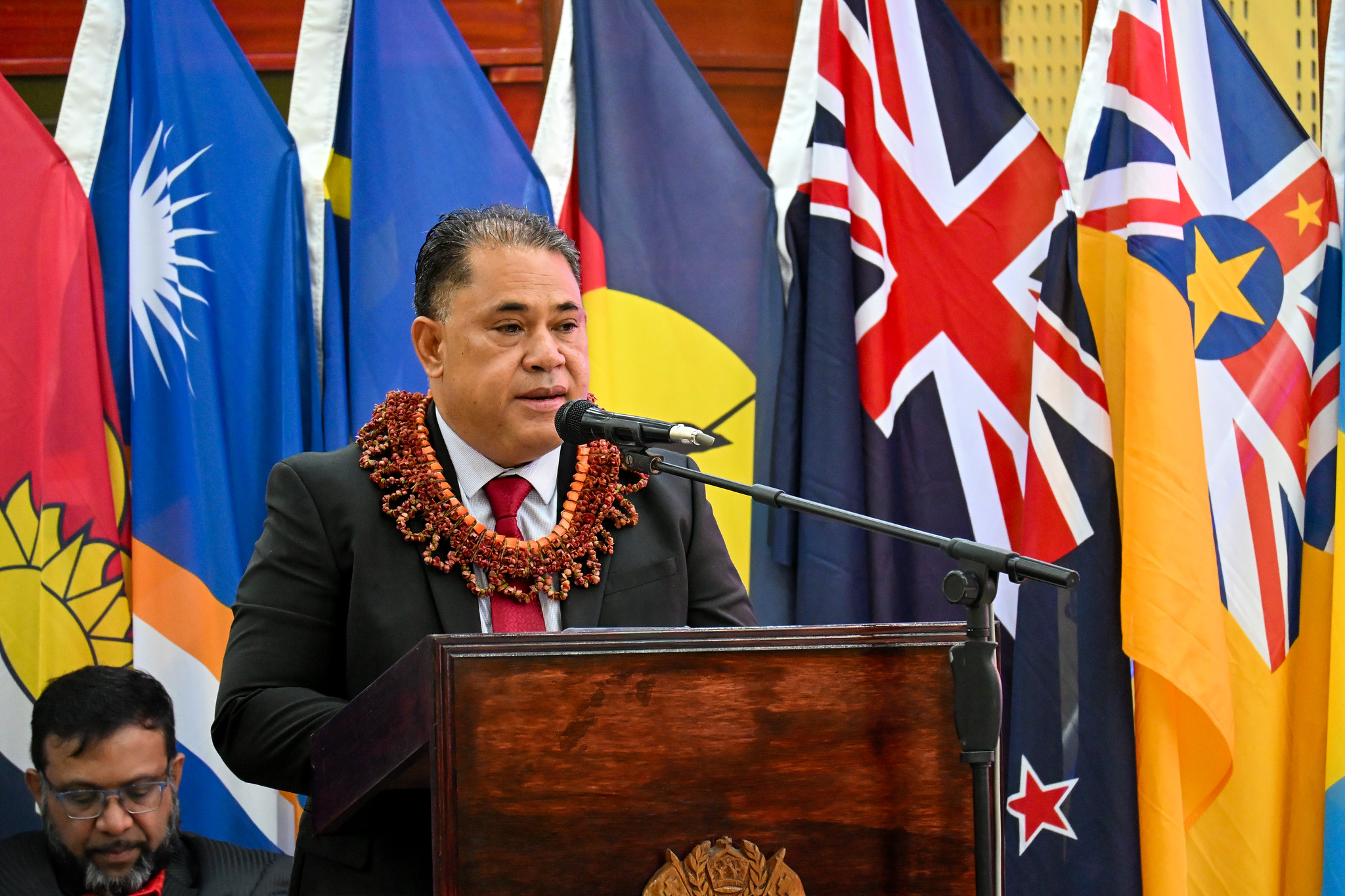
Speaking at the Pacific Meteorological Council meeting, Tonga’s Deputy Prime Minister Dr Viliami Uasike Latu said the effectiveness of meteorological services should not be measured only by advances in technology, but by whether critical information reached people early enough for them to act.
He said this included people living in outer islands and remote communities, as well as people with disabilities, women, children, older persons and tourists.
“The true measure of meteorological service is therefore not simply the sophistication of its technology,” Dr Latu said.
“It is whether the right information reaches the right person in a form they understand early enough for them to act.”
Dr Latu said weather had always played an important role in Pacific societies, influencing when communities sailed, planted, harvested, fished and sought shelter.
While modern meteorology had changed the tools available to communities, he said its fundamental purpose remained to help people understand their environment and make decisions that kept them safe.
He said access to weather and climate information was a responsibility and a basic human right fundamental to the wellbeing and security of Pacific communities.
Dr Latu said a warning had little value if it did not reach a farmer deciding whether to plant, a fisherman preparing to go to sea, an airline assessing flight safety, a school deciding whether children should return home or a family deciding whether to evacuate.
“This is why any One is for All must mean exactly that One is for All.”
Dr Latu said Tonga understood the importance of effective warning systems through its experience with tropical cyclones, droughts, volcanic eruptions, tsunamis and other hazards.
He pointed to the January 2022 eruption of Hunga Tonga-Hunga Ha’apai and the tsunami that followed as an example of how quickly one hazard could trigger a wider disaster.
He said the experience reinforced the need for Pacific countries to ensure meteorological information and warnings were accessible to every community.