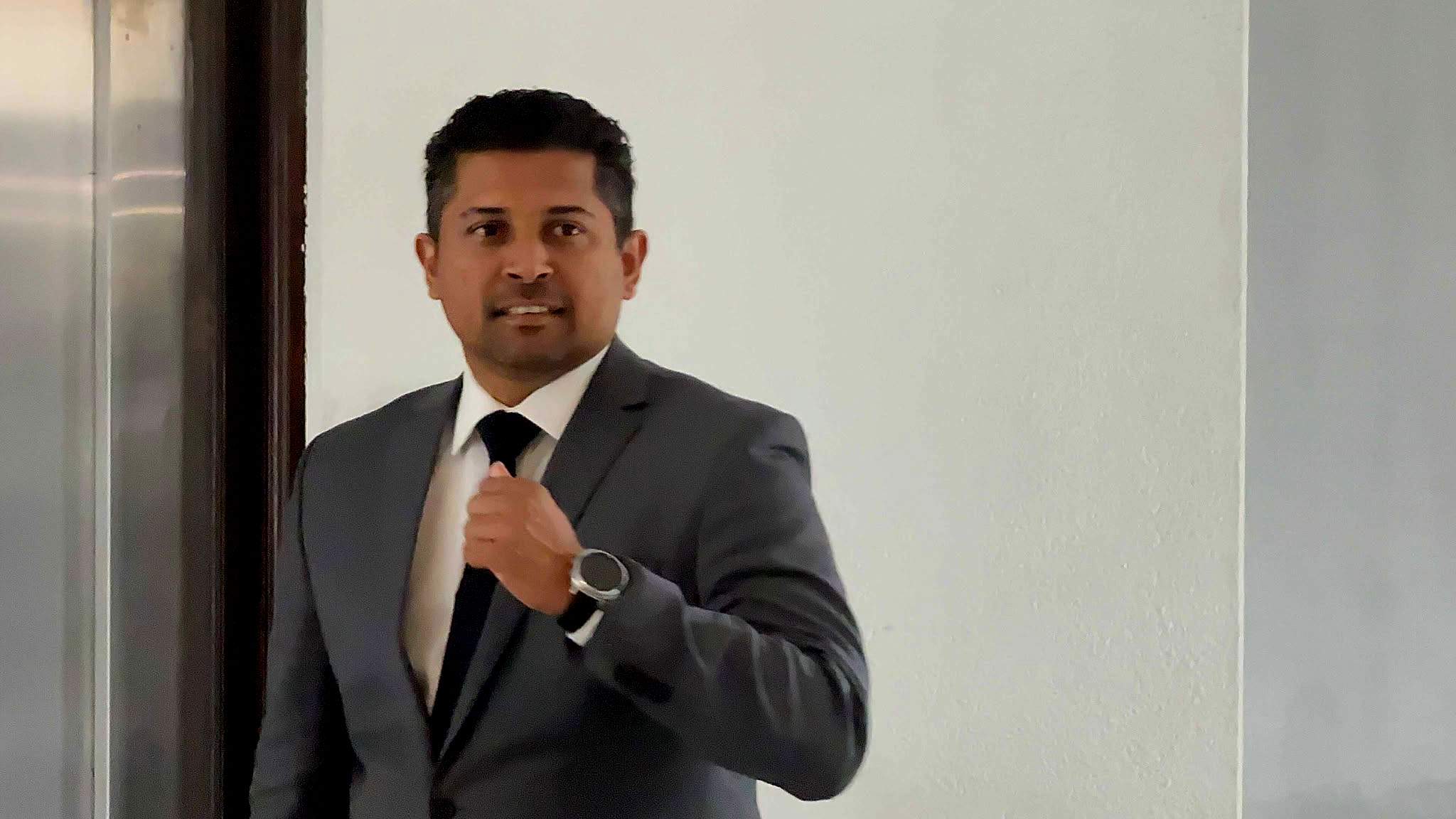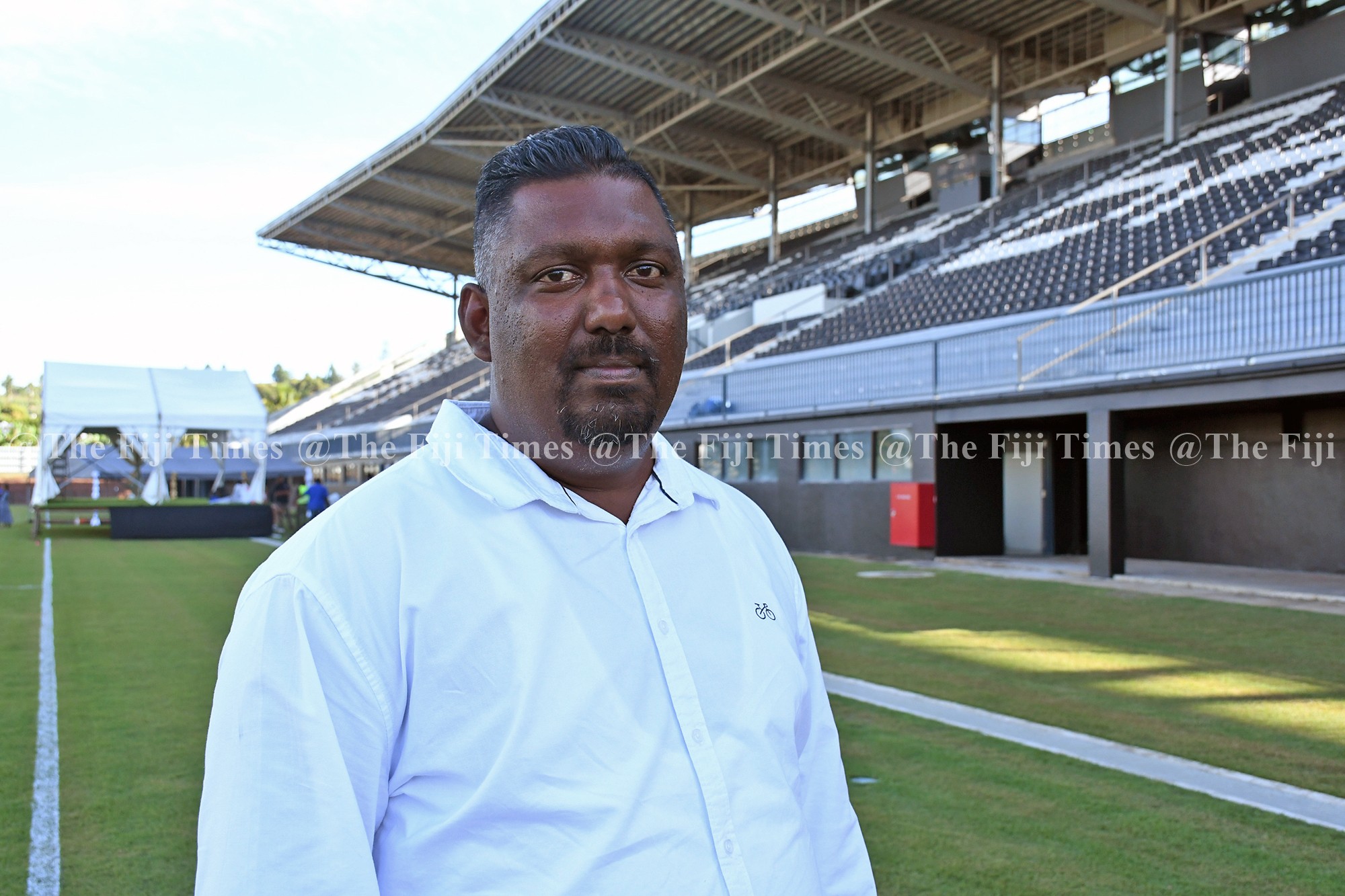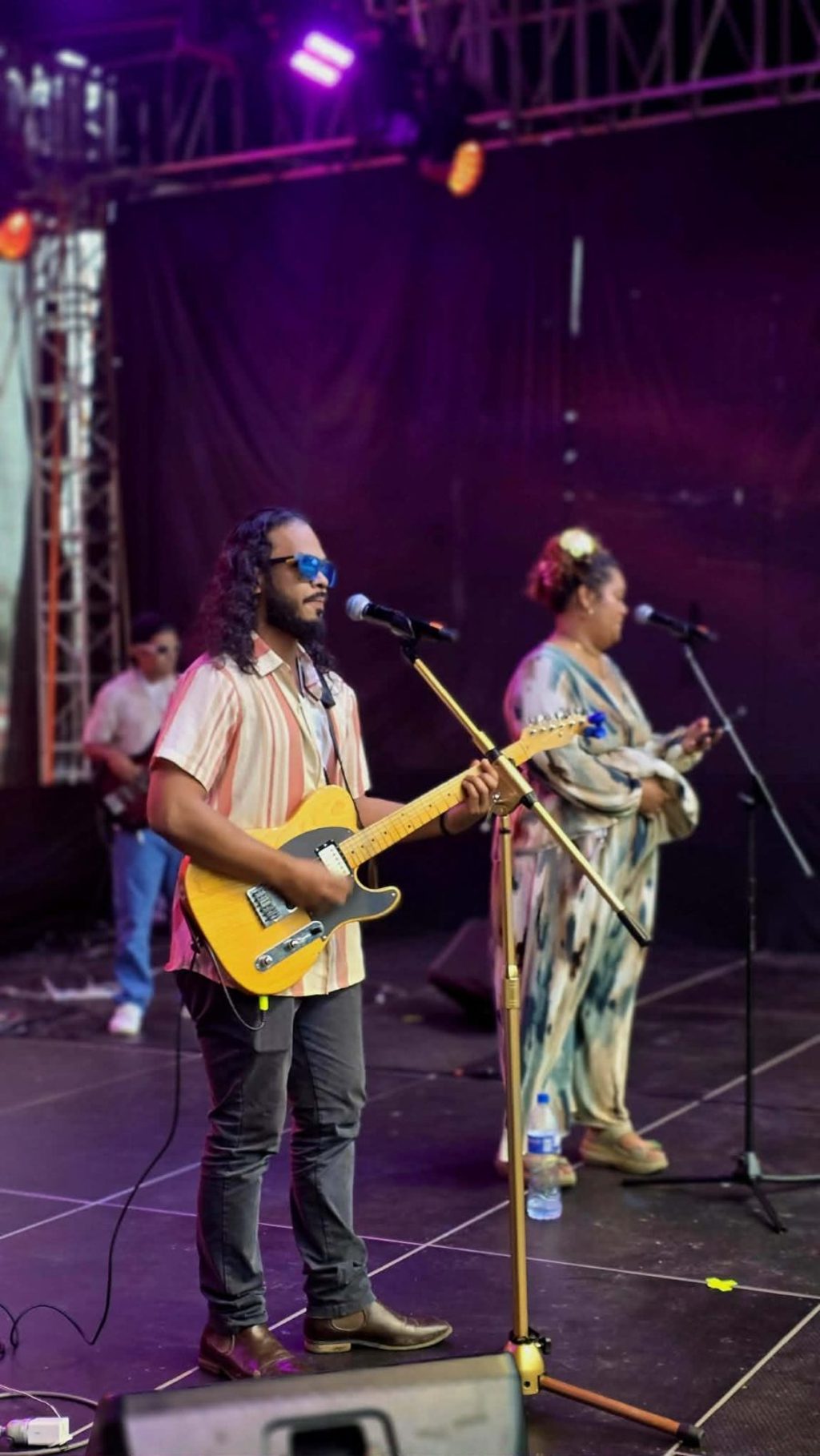
Inspired by the sounds of Vince Gill, George ‘Fiji’ Veikoso, Bob Marley, UB40 and Lucky Dube, Tana Music Fiji director Harry Henry Levy is blending the soul of an older musical era with modern production without losing what makes Fijian music uniquely its own.
There was a time when music was allowed to breathe, when songs were built around real musicians, distinctive voices, memorable melodies and stories that carried meaning.
It was the era of Gill’s country ballads, Fiji’s island soul, Marley and UB40’s reggae rhythms, and Lucky Dube’s powerful African reggae.
For Harry Henry Levy, those sounds were more than music. They were an education.
The 29-year-old remembers listening to those artists at school and during family gatherings and kava sessions with his uncles.
“I couldn’t really play, I just observed them until I bought my first guitar 10 years back,” he recalled.
Those early influences would eventually shape the way Levy approaches music today, particularly his belief that technology should enhance a song without stripping away its soul.
His own performance journey began in 2020, during the Covid-19 pandemic.
As restrictions on movement and social interaction brought normal life to a standstill, Levy used the period to focus on music and develop his craft.
Today, from his Nadi Backroad-based studio, he is trying to create something bigger than simply a recording space.
Tana Music Fiji is his attempt to build a bridge between Fiji’s rich musical traditions and the international music industry.
“For me it’s always about keeping the roots first.
“The island rhythm, the vude bounce, the Fijian harmonies, that’s the foundation. We don’t want to lose that.”
That principle is simple, but for Levy it is important.
Modern production can bring clarity, power and international polish to a recording. But it should never come at the expense of the character that makes the music Fijian.
“What we do at Tana Music is we keep that soul and then we build around it with modern sounds, clean mix, strong low-end, radio-ready quality.
“So when you listen, you still feel Fiji in it, but it can also play anywhere in the world. That balance is very important to us.”
Starting with a talanoa
For Levy, creating that balance begins long before an artist enters the recording booth.
Instead of arriving with a finished beat and asking an artist to fit their voice into it, he begins with conversation.
“I always start with a talanoa.
“I like to sit with the artist, listen to their story, what they want to say. I don’t come with a finished beat and say, ‘Sing on this’. We start from their raw idea, maybe just a hum or guitar, and we build together.”
It is an approach that mirrors the traditional Pacific way of sharing stories through conversation, listening and collective participation.
The artist remains at the centre of the process.
“My job is to bring out their vision and make it bigger, but still sound like them.”
Although he is now running his own production house, Levy is the first to admit that he is still learning.
He continues to draw advice and knowledge from experienced names in the local music industry, including Gavin Beddoes, Billy T, Phil Dakei, Ratu Jo Tabakaucoro and Setareki Baleirara.
“I get a lot of help and tips from them and anyone that I can grasp a bit of knowledge from, as I’m still very new to the business.”
The human sound
Inside the studio, Mr Levy believes the atmosphere can be just as important as the equipment.
An uncomfortable artist, he says, cannot always give the performance a song demands.
“For us, vibe is everything.
“We make sure the artist feels comfortable first. No pressure. We have a good chat, set the mood right.”
That philosophy continues into vocal coaching and recording.
The focus is on breathing, delivery and emotion rather than simply relying on digital correction.
“For acoustic recording, we like to keep it natural and live, but with clean quality.
“We want to capture the real voice, the real emotion, not over-tune everything.”
It is a philosophy that takes Levy back to the music that first inspired him.
The records he grew up listening to were not simply technically impressive. They had personality.
They sounded like the people who made them.
Building a bridge for Fijian music
That desire to preserve personality while improving production quality is also at the heart of why Tana Music Fiji was established.
Levy saw enormous talent across Fiji but believed many artists lacked the professional platform and resources needed to take their music further.
“My goal is to be a bridge. To give our local artists quality production, proper mixing and mastering, and a way to get their music out to the world.”
For him, the potential is already here.
“We just need to package it at an international level. I want to see Fijian music on big playlists, big stages. That’s what Tana Music is pushing for.”
From the roots to the world
Tana Music offers artists different production pathways depending on their musical vision and budget.
For those seeking complete beat production, the studio can build a song from scratch, including original instrumental composition, arrangement, vocal editing, mixing and mastering.
For artists who prefer the warmth of live instrumentation, the studio also offers multi-track recording for guitar, bass, drums, keyboards, percussion and ukulele.
Artists preparing for live sessions provide a foundational demo or guide vocal so the musicians can develop the arrangement. Because of the preparation involved, live recording sessions are generally booked three to five days in advance.
Levy is also conscious that many independent musicians are working with limited resources.
“For both, we try to make it affordable.
“We have packages and payment plans because we know how hard it is for independent artists.”
“Just come prepared and we will take care of the sound.”
For a young producer influenced by an era when music was grounded in live performance, strong songwriting and authentic storytelling, Levy’s vision is surprisingly straightforward.
The technology may be modern. The ambition may be global. But at Tana Music Fiji, the roots still come first.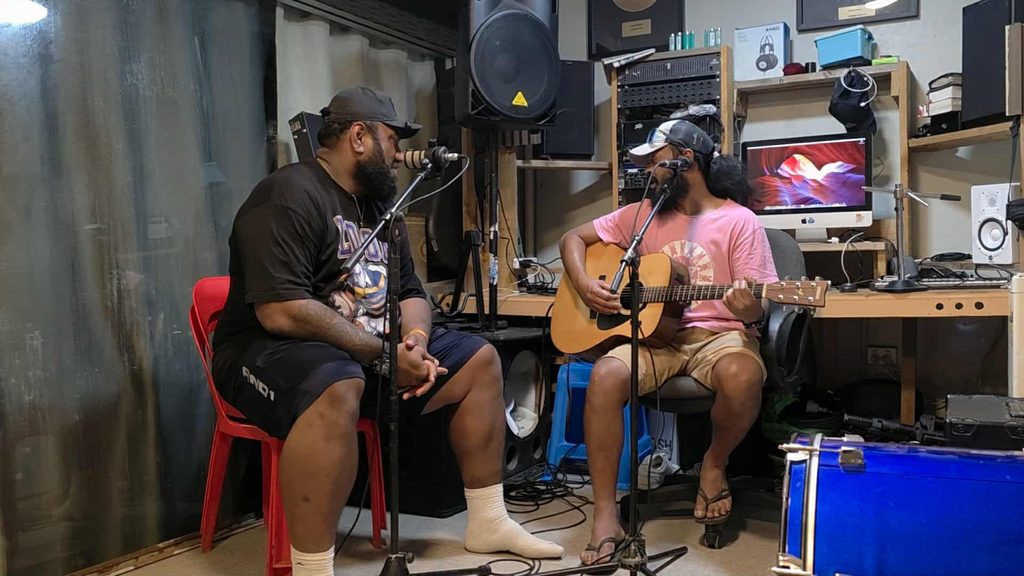
Tana Music Fiji director Harry Henry Levy with local singer and songwriter Ratu. Picture: SUPPLIED
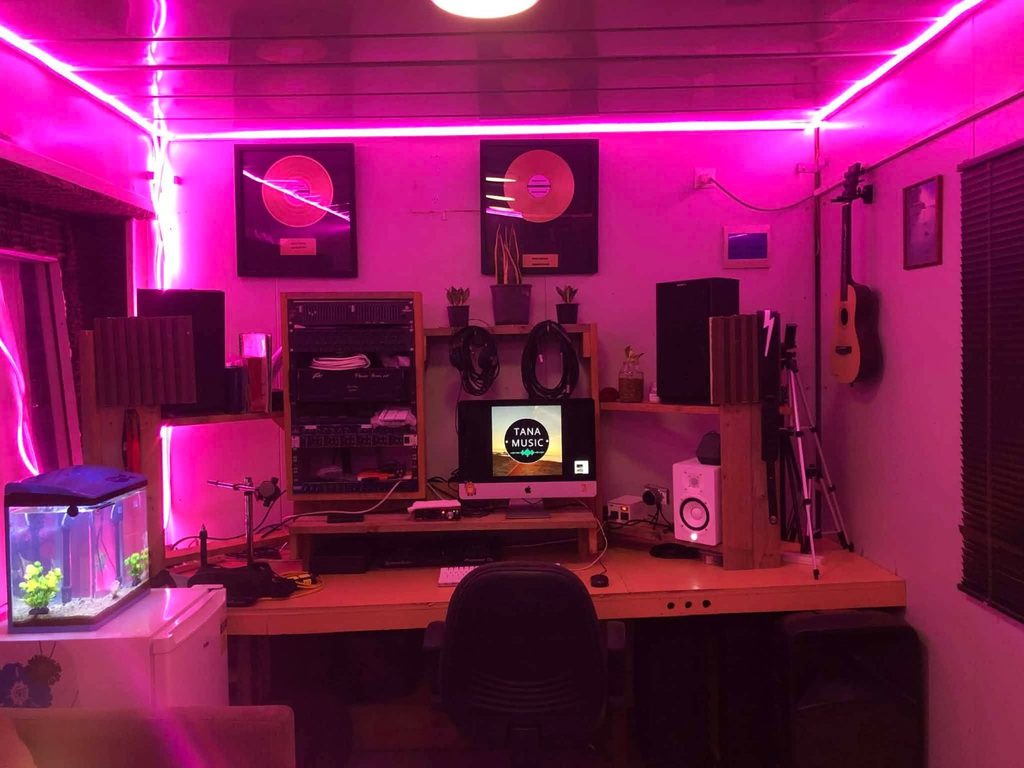
The Tana Music Fiji studio in Nadi. Picture: SUPPLIED