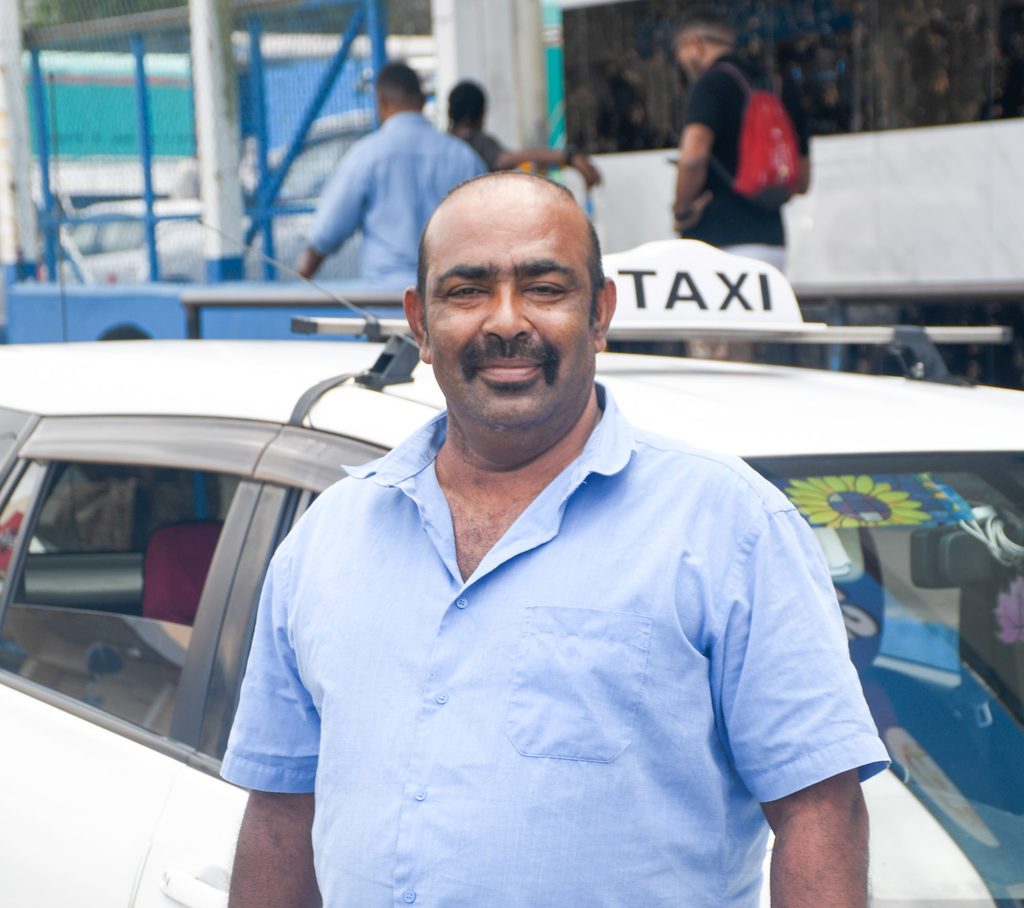
Waking up before sunrise, spending long hours on the road and dealing with rising fuel costs have become part of daily life for Shaneel Naidu, a Viti Mini Buses driver from Malaqere, Sigatoka.
Nearly a year into the job, Mr Naidu has discovered that driving a public service vehicle requires more than simply getting passengers safely to their destinations.
His working day usually begins at 5am, travelling between Sigatoka and Suva, but there is no guarantee of an early finish.
“I usually start at 5am but we don’t have a time to finish, it depends on the trips we make in a day, sometimes 1pm sometimes 11pm so we don’t have a fixed time to go back home,” he said.
“Sometimes we stay in Suva than we’ll head back home the next day.”
Mr Naidu entered the profession unexpectedly after a friend called and asked if he was interested in driving a van.
“I was at home when one of my friends called me up and asked if I was interested in driving a van, so I just came to help him.” Today, he faces the daily challenges of keeping passengers safe while managing operating costs and providing for his household.
Fuel remains one of his biggest expenses, costing about $100 for a return trip between Sigatoka and Suva.
“Before I used to fill for $70 and now $100, it has affected our income especially in shopping for groceries and other household necessities. Now we have to control our spending more.”
The rising cost of living has forced his household to make difficult spending decisions, at times and they have had to go without some things.
“It has been hard, sometimes we have to forego some things, we really want to buy and wait for the next pay cycle when we have more passengers and income.”
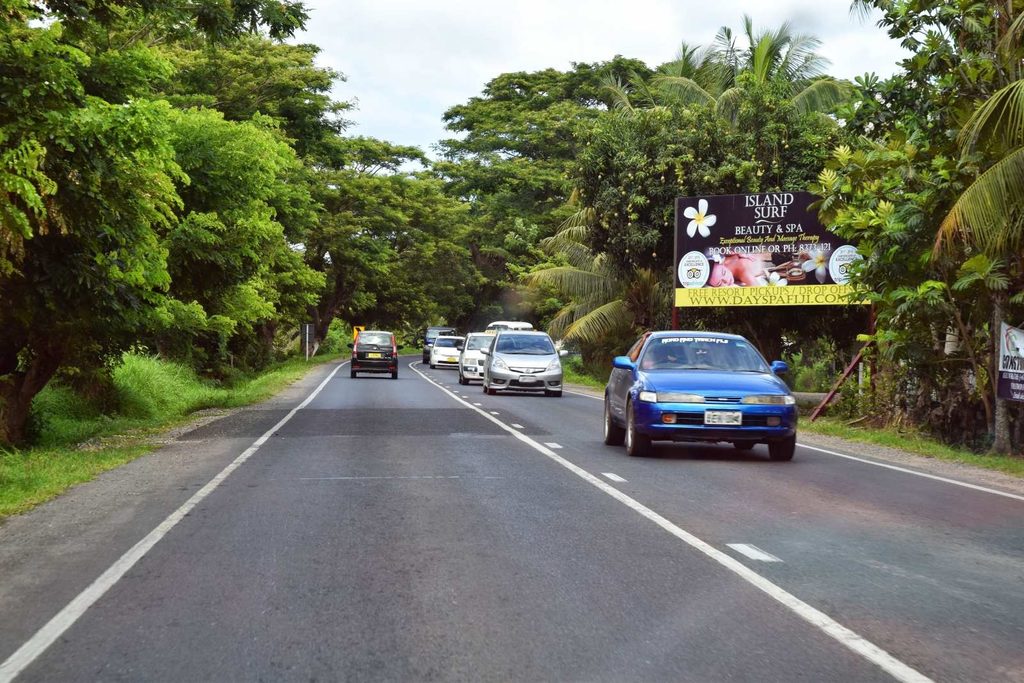
Beyond fuel expenses, Mr Naidu has to contend with traffic, potholes and animals wandering along the Queen’s Highway.
“And then there’s so many potholes, that damages our tyres.”
Competition from private vehicles also affects his ability to earn a steady income, particularly when they pick up passengers waiting for public transport.
He hopes authorities will address the issue and consider the challenges faced by public service drivers.
Despite the long hours and financial pressures, Mr Naidu believes hard work is essential for anyone entering the profession. “You have to work hard, you have to wake up really early in the morning, sometimes you won’t have any family time because we don’t have a fixed time to come and go.”
Meanwhile the Land Transport Authority (LTA) will continue to strengthen enforcement against illegal Public Service Vehicle (PSV) operations to ensure passenger safety and compliance with Fiji’s transport laws.
LTA acting chief executive officer Makitalena Drova said Friday the Authority, working with the Fiji Police Force, continues to monitor, detect and penalise individuals operating private and commercial vehicles as PSVs without the required permits and licences.
From 2023 to October 20 this year, the LTA issued 8,483 traffic infringement notices for illegal PSV operations.
It has also issued warnings, seized and impounded vehicles, and initiated showcause proceedings against offenders according to their website.
Penalties may include fines of up to $2,000 and other enforcement actions under the Land Transport Act and related regulations. Ms Drova urged the public to use only licensed and regulated taxi services and ensure vehicles displayed valid permits and approved identification.
She says illegal operators undermine transport laws and unfairly compete with legitimate taxi operators who comply with licensing requirements.
She also reminded licensed taxi operators to follow PSV conditions, avoid refusing passengers without reasonable grounds, and provide safe, reliable and respectful services.
Passengers who believe they have been unfairly refused service are encouraged to lodge complaints with the LTA.
The public can report suspected illegal PSV operations by texting details and evidence to 582 or emailing help@lta.com.fj.