Fiji’s national economy is experiencing a strange mix of good and bad news.
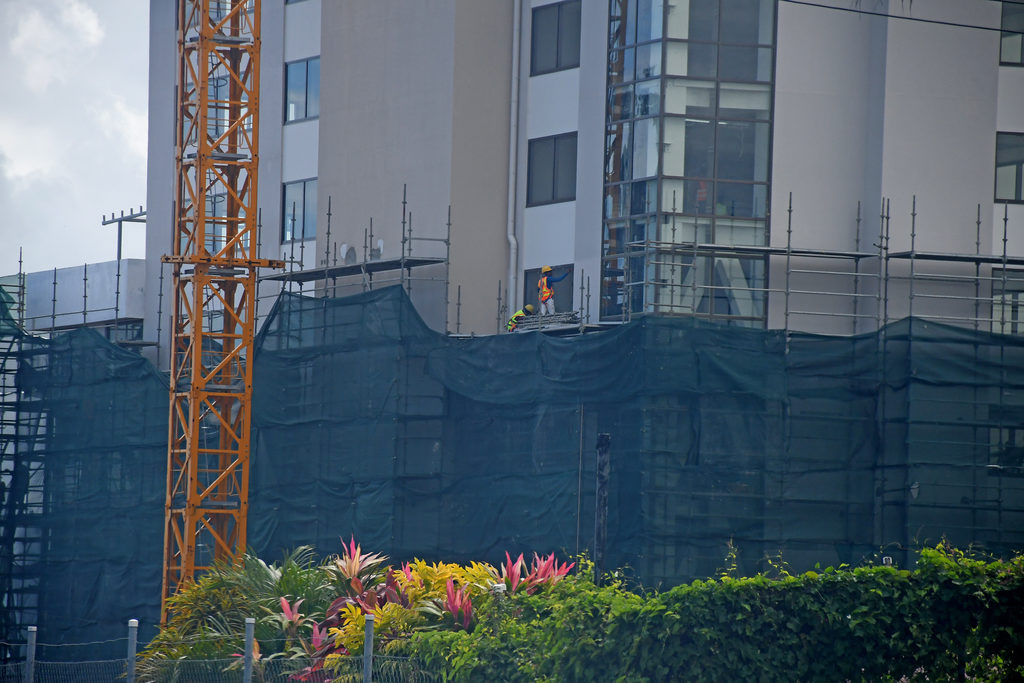
On one hand, tourism and shopping are breaking records, and cheap bank loans are fuelling a major building boom across the country.
And on the other hand, local businesses are struggling with staff shortages as workers move overseas, while expensive global fuel and shipping costs keep everyday prices high.
According to the Reserve Bank of Fiji’s (RBF) August 2026 economic review, Fiji’s main money earners are doing well.
Driven by a relentless post-pandemic appetite for travel, visitor arrivals to Fiji reached 105,791 in July – the highest level ever recorded for the specific month, representing an annual increase of 6.5 per cent.
This lifted cumulative to July visitor arrivals growth to 4.3 per cent, powered heavily by holidaymakers from traditional tourist source markets Australia, New Zealand, the United States and Canada.
According to the RBF, holidaymakers accounted for 79.0 per cent of arrivals, increasing by 5.9 per cent over the year.
Meanwhile, arrivals under the meetings, incentives, conferences and exhibitions (MICE) segment grew by 11.5 per cent but remained below the pre-pandemic levels at 67.0 per cent of the corresponding 2019 MICE arrivals.
Sectoral performances
The central bank noted that sectoral performances were generally positive during the review period.
Cane crushed and sugar production rose by 2.8 per cent and 15.6 per cent, respectively, as at August 24, attributed to improved operational performance across all mills and higher sugar extraction rates.
Electricity production expanded by 4.8 per cent in the year to July, led by growth in Energy Fiji Ltd’s customer base (1.7 per cent) and higher non-renewable energy generation, which more than offset lower renewable energy output resulting from adverse weather conditions.
Total gold production rose by 6.2 per cent, supported by a 58.8 per cent surge in gold concentrate output, which more than compensated for the decline in gold doré production (-21.8 per cent).
Mineral water output also expanded by 4.2 per cent, recovering from previous tariff-related disruptions.
In contrast, forestry sector suffered unfavourable weather-driven downturn: mahogany log production collapsed by 25.9 per cent, sawn timber fell by 47.2 per cent, and woodchips dropped by 11.2 per cent.
Labour market
The central bank’s review highlights mixed signals in the local job market.
Local corporations are showing softer recruitment intentions, causing newspaper job advertisements to drop by 30.5 per cent during the first seven months of this year.
That reflected weaker recruitment intentions across most sectors, particularly following the Government’s public service hiring freezer alongside reduced vacancies in the transport, storage and communication, wholesale and retail trade, and business service sectors.
Despite the pullback in fresh recruitment, the RBF stated that employees were added to formal employment, which expanded by 1.7 per cent to 205,596 workers by June, with total wages paid also rising by 7.9 per cent.
Outward labour mobility increased by 20.0 per cent to 1834 workers cumulative to July, mainly through the Pacific Australia Labour Mobility (PALM) scheme, with long-term resident departures growing by 5.9 per cent – particularly for employment (17.2 per cent) and other purposes (21.1 per cent).
Financial conditions
Financial conditions remained supportive of economic activity, underpinned by ample system liquidity and a low interest rate environment.
Banking system liquidity stood at approximately $2.1 billion, helping to keep borrowing costs low, with both commercial banks weighted average new and outstanding lending rates settling at 4.50 per cent in July.
The RBF stated those accommodative conditions helped sustain strong private sector credit growth of 14.6 per cent, which in turn contributed to the expansion in broad money by 7.8 per cent in July.
It also noted that partial indicators continued to point to positive investment activity.
The central bank stated new investment lending grew significantly by 38.3 per cent in the year to July, primarily driven by stronger lending to the building and construction (67.7 per cent) and real estate (34.7 per cent) sectors.
“Over the same period, domestic cement sales also recorded robust growth of 38.2 per cent, amid sustained demand from ongoing development projects,” the RBF stated in its economic review.
“Consistent with this trend, construction-related imports rose by 20.6 per cent up to May, on the back of increased activity in the construction sector, including the growing use of prefabricated building materials.”
Meanwhile, foreign reserves remain sufficient at around $3.9bn as of August 31, sufficient to cover 5.5 months of retained imports, and is help up by external Government loan drawdowns, strong tourism receipts and remittance inflows.
The central bank also warned that foreign reserves are expected to remain adequate over the medium term.
Inflation
Headline inflation eased to 5.7 per cent in July from 6.1 per cent in June but remained well above the -1.5 per cent recorded a year earlier.
The RBF attributed the annual increase to the higher prices in transport (1.8 percentage points), alcoholic beverages, tobacco and narcotics (1.7pp), food and non-alcoholic beverages (1.4pp), and housing and utilities (0.7pp).
“Inflation is expected to remain elevated in the coming months, reflecting the removal of the bus fare subsidy from September, the fading base effects of the August 2025 VAT rate reduction from the annual inflation calculation, and the continued pass-through of higher global fuel and freight costs to domestic prices.”
Close monitoring
The RBF said risks to the outlook remained tilted to the downside.
It stated heightened geopolitical tensions, trade frictions, and volatility in global energy markets could increase imported inflation, widen the trade deficit and place some strain on foreign reserves.
“Stricter enforcement of US secondary sanctions on Iran is expected to keep global oil prices elevated, while any intensification of shipping disruptions around the Strait of Hormuz could further raise freight and insurance costs, exacerbating external price pressures.
“Domestically, labour supply constraints, social and security challenges, election-related uncertainty, and the risk of severe El Niño conditions could dampen investor and business confidence and weigh on broader growth prospects.”
In view of recent economic developments, elevated external risks and their implications for the bank’s dual objectives, the RBF stated its board agreed to maintain the Overnight Policy Rate at 0.25 per cent at its meeting on August 27.
“The RBF will continue to closely monitor global and domestic developments and stand ready to adjust its policy settings as needed to maintain price stability and protect the adequacy of foreign reserves.”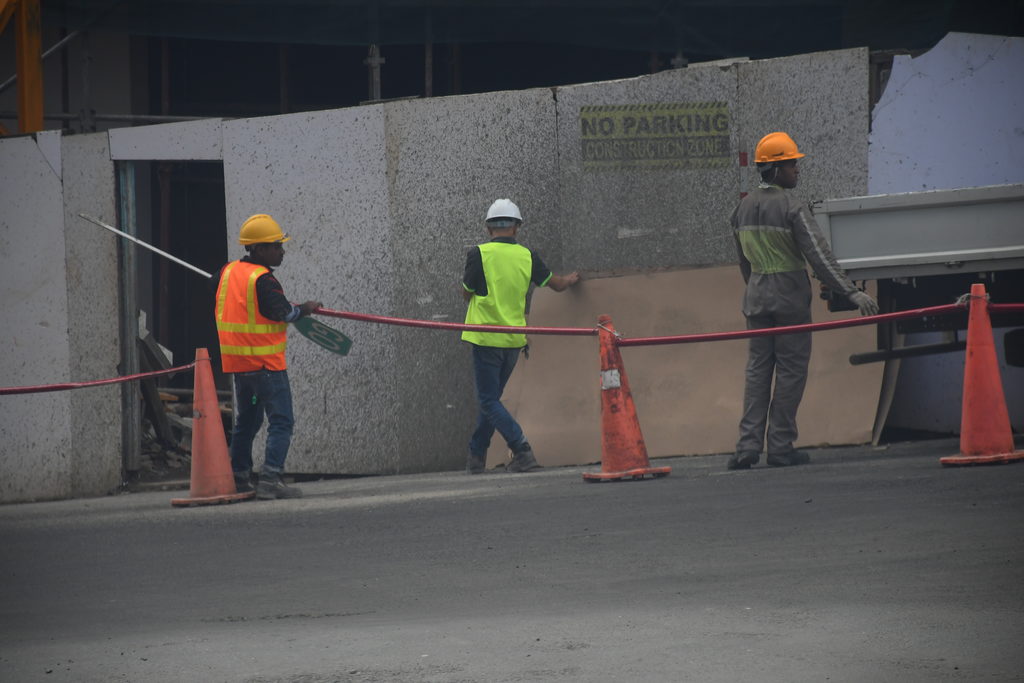
Construction workers on site at the Methodist Church’s new building under construction at Stewart St in Suva. Picture: JONA KONATACI