The United Nations Capital Development Fund’s Pacific Insurance and Climate Adaptation Programme’s (PICAP) has had great success in increasing the uptake of insurance products in the country through its partnership with the private sector in Fiji.
These lessons about PICAP’s innovative approach to accelerated recovery by developing an insurance solution that bridges existing community structures with the private sector to build resilience at the grassroots level will be shared at the a high level meeting in Brisbane, Australia next week.
This year’s Asia-Pacific Ministerial Conference on Disaster Risk Reduction will bring together 3000 ministerial representatives from across Asia and the Pacific and the UNCDF is one of them.
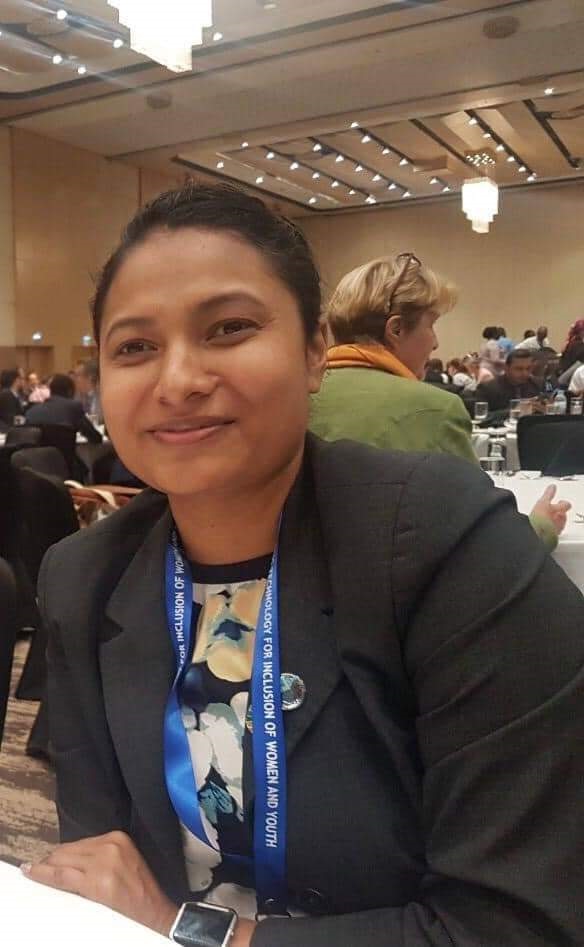
PICAP’s Inclusive Insurance Solutions Hub co-ordinator Akata Taito will join an expert panel on “Enabling resilience and accelerated recovery” on day four of the conference.
Ms Taito said the conference was one of the biggest events and a great platform for PICAP to share some of the innovative solutions that had been rolled out in Fiji and their effectiveness in increasing the insurance take up in the country.
Although she joined the program just a few months ago, Ms Taito is no stranger to the area of insurance and climate adaptation as she was working in the same space for almost 11 years at the Reserve Bank of Fiji.
Ms Taito said Pacific islanders were resilient to climate-related events because of their strong communal network.
However, the recent frequency of natural disasters had shown that communal support is now no longer sufficient in terms of building resilience and that’s where PICAP comes in to ensure that solutions were out there to provide the resilience and prepare the vulnerable communities.
Ms Taito said during the recent natural disasters, especially the aftermath of TC Winston, vulnerable groups had to dig into their retirement funds with the Fiji National Provident Fund for assistance.
She said the funds offered as relief to those affected during these natural disasters were reallocated funds by government from other development plans to accommodate help people to build resilience.
“The solution that we have come about is to ensure that the risks are not totally taken up by government or the community, but has spread to the private sector such as insurance companies.”
Ms Taito said they worked with the private sector such as the mobile network operators and the insurance companies to implement the project.
“Insurance is a relatively technical area and when we’re bringing in new players or new customers, we need to ensure that they are well informed with the solutions that we put in. But at the same time that they see value and they continuously pay for the premium and cover themselves in the years to come.”
Ms Taito said over the years significant progress had been made and because of the solutions introduced in the market.
She said the first demand side survey carried out by the RBF in 2014 showed only 12 per cent of Fijians had some form of insurance.
Through their Pacific Insurance and Climate Adaptation Program they had worked with the private sector to come up with the innovative bundled insurance product which led to an increase in the insurance uptake to 41 per cent in 2019.
Ms Taito said the bundled micro insurance scheme saw 1388 people register for the product and they planned to increase the numbers to more than 4000 in the coming future.
“The event itself is providing us the opportunity to present on what we are doing in the Pacific. And so we look forward to sharing our experience and our journey in the space of climate and disaster-related finance and insurance.”