
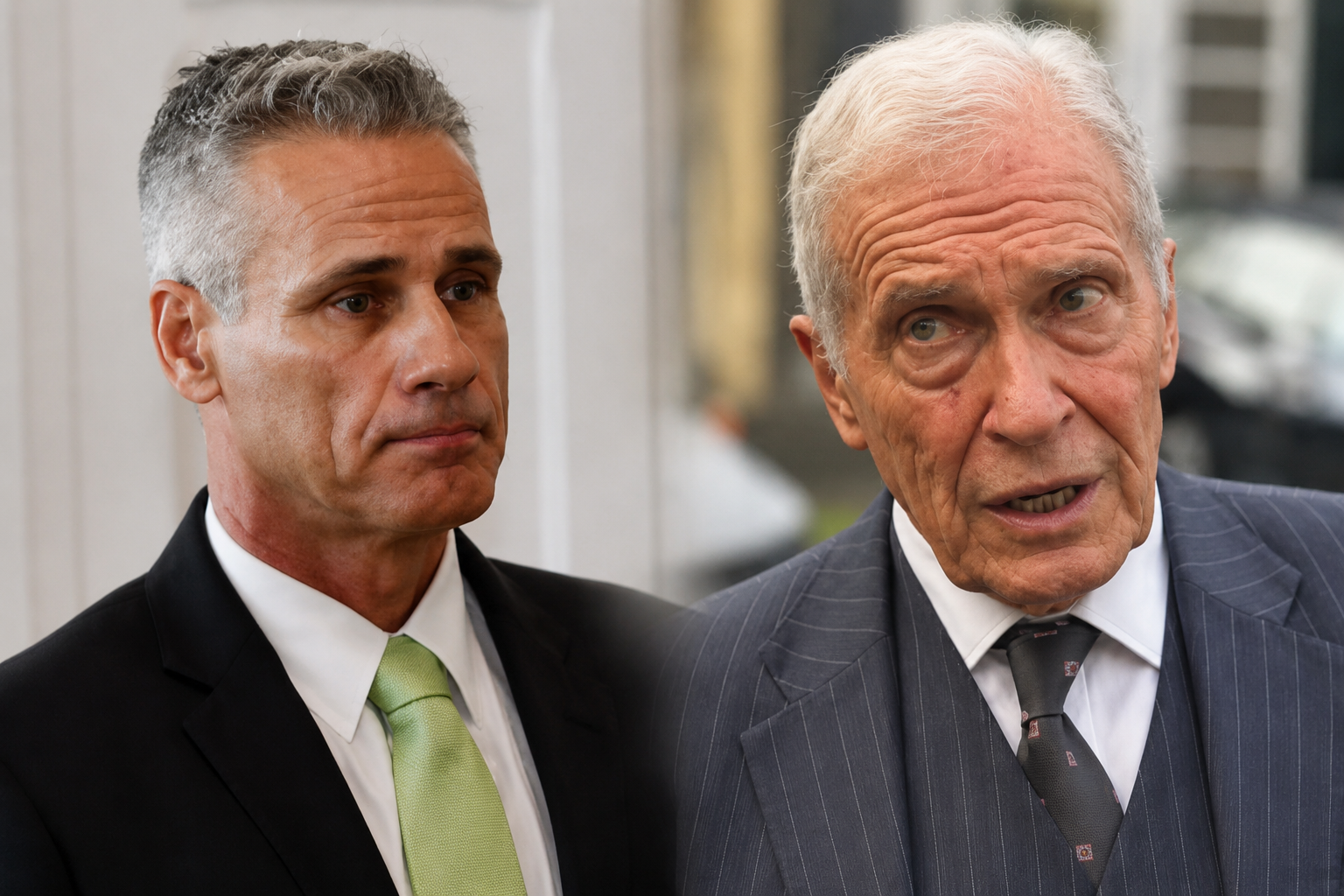
HIGH Court judge Justice Dane Tuiqereqere found that the FICAC Commissioner of Inquiry Justice David Ashton-Lewis had “apparently made up his mind” about improper interference in the appointment of Barbara Malimali before hearing the evidence.
The finding is contained in Justice Tuiqereqere’s 154-page judgment quashing the findings of the Commission of Inquiry, which was established in 2024 to inquire into whether there had been improper interference in Ms Malimali’s appointment as commissioner of the Fiji Independent Commission Against Corruption.
Justice Tuiqereqere considered whether remarks made by Justice Ashton-Lewis could lead a fair-minded and fully informed observer to apprehend that he had not brought an impartial mind to the inquiry.
“The test is objective,” Justice Tuiqereqere said.
“The test is considered from the point of view of the fair-minded fully informed observer.”
Justice Tuiqereqere said he was satisfied that the test for apparent bias had been met.
“I am satisfied that a fair-minded fully informed observer would arrive at the conclusion of apparent bias on the part of Justice Ashton-Lewis,” he said.
The judge specifically referred to Justice Ashton-Lewis’ numerous references to looking for “crocodiles in the pond” during the inquiry.
Justice Tuiqereqere said a fair-minded observer could interpret those remarks as indicating that Justice Ashton-Lewis believed from the outset that there were people who had interfered in Ms Malimali’s appointment and that his role was to identify them.
“The analogy to crocodiles appears to refer to interference in the appointment of Ms Malimali and Justice Ashton-Lewis apparently saw his task as identifying and naming those who had interfered,” he said.
Justice Tuiqereqere concluded that a fair-minded and fully informed observer would not have confidence that the Commissioner had retained an open and impartial mind on whether interference had actually occurred.
He said Justice Ashton-Lewis had “apparently already made up his mind that interference existed”.
The High Court did not find sufficient evidence to establish actual bias on Justice Ashton-Lewis, but found there was sufficient basis to establish apparent bias — whether a fair-minded and informed observer could reasonably apprehend a lack of impartiality.
The apparent bias finding was among several grounds considered by the High Court in its decision to quash the COI findings.

