
Seventy years ago, the role of women in Fiji and around the world looked very different.
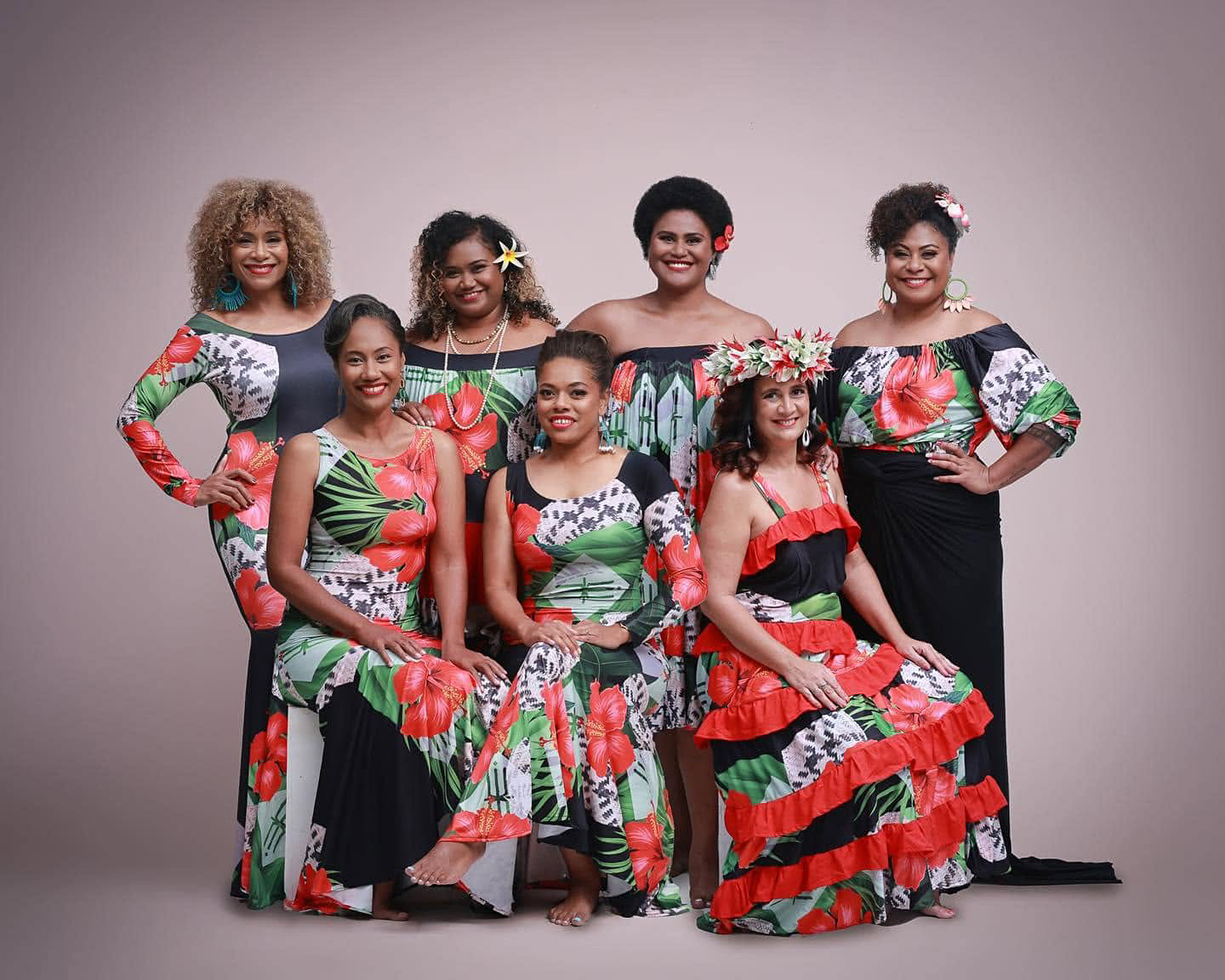
But one thing has remained remarkably consistent through seven decades of the Hibiscus Festival — the opportunity it gives young women to discover themselves, find their voices and step into the wider world with greater confidence.
Since the first festival in 1956, thousands of young Fijian women have taken the stage at Hibiscus.
Only one contestant each year walks away with the crown, but many former queens and contestants say the real rewards have lasted far beyond the week of festivities.
For the 2026 FMF Hibiscus Festival director Ellen Whippy-Knight, reconnecting with former contestants has offered a glimpse into the lasting influence of the festival.
“In reconnecting with so many former queens and contestants, it is heartwarming to learn how their lives were enriched by their festival experience,” she said.
“Self-belief, time management, goal setting and confidence in public are recurring themes of what these women took from the competition.”
The stories of former contestants reflect the changing face of Fijian society itself.
From its colonial beginnings, through decades of social and political change, the rise of feminism and the increasing education and participation of women in public life, Hibiscus has provided a platform for young women from different backgrounds to be seen and heard.
They have come from villages and towns, entered the workforce, built businesses, advocated for causes, raised families and contributed to their communities in ways that previous generations of women may never have imagined.
And the lessons learned under the Hibiscus spotlight have often remained long after the crown was passed on.
Lessons beyond the stage
Laurie Crowe, the 1961 winner, remembers her experience as something deeply special.
“It was a very special experience for me at the time and one I am grateful for,” she reflected.
“I wish I’d known then what I know now.”
For 1974 contestant Karen McAllister, the experience was initially unfamiliar.
“As a young, white, unworldly Fijian, being invited to take part in a beauty contest was flattering but also bewildering,” she recalled.
With the benefit of hindsight, however, she came to see the experience differently.
“What initially seemed like a strange and confusing experience became a valuable lesson in confidence, resilience and keeping a broader perspective on society and the world.”
That same year, winner Sandra Hazleman discovered a confidence that would influence the woman she became.
“The festival shaped the woman I became. It gave me confidence, strengthened my public speaking abilities and inspired a life-long passion to help others,” she said.
For 1982 winner Lorna Christoferson, Hibiscus became the catalyst for stepping into business at a young age.
“Having the opportunity to meet and interact with many great people gave me the confidence to start my own business,” she said.
The festival also taught her an important lesson about authenticity and conviction.
“You must believe 100 per cent in whatever you choose to speak about because if you’re unsure you will come across badly.”
Finding a sense of belonging
For Shital Ram, the 2002 winner, Hibiscus provided something equally important — a sense of belonging.
“Being a part of the Hibiscus festival brought me so much support and made me feel like I truly belonged,” she said.
She still remembers the warmth she received whenever she introduced herself as the “Marama ni Wainibokasi”.
Nearly a decade later, 2011 winner Alisi Rabukawaqa took a different lesson from the experience — learning to manage her time and energy while using her platform to advocate for the protection of Fiji’s oceans and land.
The festival, in that sense, has evolved alongside the women who participate in it.
What may once have been primarily viewed as a beauty competition has become a platform for young women to develop confidence, leadership skills and a public voice.
A crown is only one outcome
For every winner, there are contestants who return home without the title.
But former queens believe that does not make them losers.
Drue Slatter, the 2012 winner, has a message for every contestant who steps on to the Hibiscus stage.
“You can thrive in whatever way you deem authentic to yourself,” she said.
She encourages entrants to absorb everything the experience has to offer — from friendships and new skills to the challenge of stepping beyond their comfort zones.
“Any type of platform is a privilege.”
For Slatter, the opportunity should also be used to speak about causes and passions that matter to the people of Fiji.
“If you’ve ever had a cause or a passion you think the people of Fiji deserve to learn or care more about, now is the time to share it.”
Perhaps the most powerful reflection comes from 2010 winner Sera Tikotikoivatu, who believes the significance of Hibiscus goes well beyond wearing a crown.
“I hope people remember, it’s not that I wore a crown, but that the experience inspired a lifetime of growth, service, and a belief that when young women are given the opportunity to discover their potential, they can go on to make a meaningful difference in their communities and beyond,” she said.
“Hibiscus taught me that growth begins when you’re willing to step outside your comfort zone.”
She believes the greatest transformation is often invisible.
“Sometimes the greatest transformation isn’t what people see on stage, but what happens within you long after the spotlight fades.”
70 years and still growing
That may ultimately be the enduring story of Hibiscus.
The festival has changed as Fiji has changed. Its contestants have changed. Society’s expectations of women have changed.
But the central opportunity remains. A a chance for young women to step forward, speak publicly, meet people beyond their immediate circles, test themselves and discover what they are capable of.
This year, 12 accomplished young women will compete for the title of Miss Hibiscus 2026.
Only one will be crowned.
But as seven decades of former contestants have demonstrated, there are many ways to win.
“Whether or not they win, all will grow from the experience of participation,” Miss Whippy-Knight said.
The 70th FMF Hibiscus Festival will be held at Suva’s Albert Park from August 29 to September 5, 2026, culminating in the crowning of the 2026 Hibiscus Queen.
After 70 years, the crown may still be the most visible prize.
But for generations of Fijian women, the lasting prize has been something far more valuable — the confidence to find their voice, believe in themselves and make a difference long after the spotlight fades.

